That sudden lump on your pet’s skin needs your attention. And while I’m not trying to scare you, mast cell cancer is one of the most common types of skin cancer in dogs and cats. The good news is that it can be treated if caught in time. But you must be aware of changes in your cat or dog’s skin, and that means working with a veterinarian you can trust.
But what exactly is the dangerous side of mast cell cancer in pets? It all starts with dreaded histamine. Let me explore this in more detail so you can keep your eyes open and protect your fur babies from the mistakes that I’ve made.
Why Histamine is the Number One Enemy
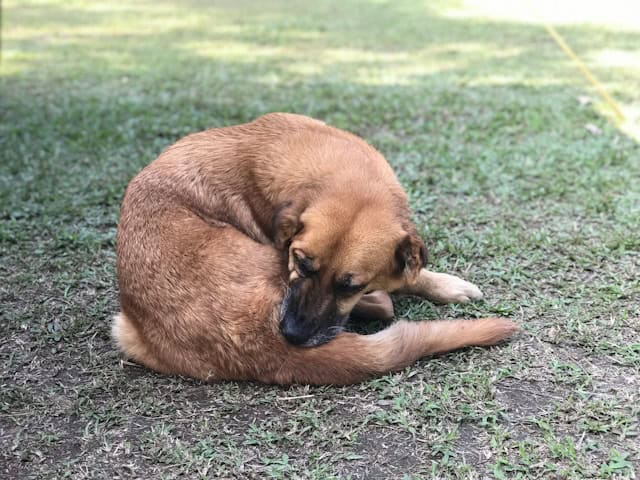
Every cancerous mast cell tumor releases histamine. It releases such large amounts of this chemical that it changes your dog or cat’s physiological function. In humans, we produce histamine when exposed to certain allergens or triggers.
So, for example, when you have hay fever, exposure to pollens increases histamine and inflammation, resulting in sneezing, itchy eyes, and a runny nose. In pets, histamine causes chronic inflammation, itchy skin, sneezing, and digestive upset. You may notice that your fur baby constantly battles ear infections, which are commonly associated with allergies. Sadly, histamine and mast cell cancer in pets cannot be avoided and requires a multi-model approach to treatment to prevent dangerous symptoms.
Stomach Ulcers

What is most concerning about high levels of histamine in the body is the formation of stomach ulcers. Pets with mast cell cancer must take antacids to prevent stomach ulcers. If an ulcer is left to grow and perforate the stomach wall, it will burst and cause internal bleeding. My veterinarian at the time believed that this was the cause of Sasha’s passing. When your dog or cat has mast cell cancer, you must stick to a regimen of antihistamines and antacids to protect them from ulcers and abdominal infections.
Anaphylaxis
In severe cases, high levels of histamine will cause anaphylaxis. When mast cells are activated, a vast amount of histamine is released, and life-threatening allergic reactions can occur. Reducing this chemical through the use of medication and a low-histamine diet can reduce the risk of such devastating reactions.
How to Combat the Effects of Histamine in Pets With MCTs

To protect your pets from the impact of histamine, you must combine medication with holistic solutions. This includes the use of antihistamines, antacids, low-histamine foods, and immune boosters such as vitamin C and CBD. Let’s start with antihistamines and antacids.
Medication to Reduce Histamine in Pets
1. Antihistamines
You know that I’m an advocate for natural solutions when dealing with cancer in pets, but when it comes to MCTs, medication is crucial. I mistakenly took Sasha off her antihistamine regimen because I simply didn’t understand the severity of mast cell cancer. So, I’m here to encourage you to keep your pets on antihistamines, as it is the only way to prevent degranulation, inflammation, and high levels of histamine responsible for ulcers.
In South Africa, large dogs can be given Allergex (only the drowsy type), or you can receive a stronger prescription medication from your veterinarian. If you’re purchasing over-the-counter medication, you want a tablet containing chlorpheniramine, which is safe for dogs. In the US, Chlor-Trimeton is considered suitable for dogs. The recommended dosage is 1 (4mg) tablet for dogs below 40 lbs and 2 tablets for dogs weighing more than 80 lbs.
While online research suggests that chlorpheniramine is safe for cats, it is best to talk to your vet before administering the medication. Cats are generally more sensitive to certain medications and chemicals, so consult with a veterinarian to avoid unnecessary complications.
2. Antacids
Dogs and cats with large amounts of histamine in their bodies are prone to GI problems because of chronic acidity. These issues include frequent bouts of diarrhea and the risk of stomach ulcers. Antacids will ease the build-up of stomach acid and protect against painful and life-threatening ulcers.
Must-Have Alternatives for Mast Cell Cancer in Dogs and Cats
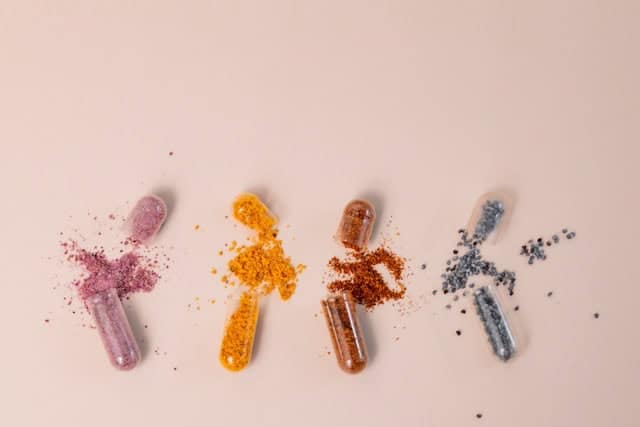
Supplements
My number one recommended supplement for mast cell cancer and any other type of cancer in pets is vitamin C. You can learn more about the incredible benefits of vitamin C and cancer for pets on my blog. Ultimately, this supplement boosts the immune system to ward off infections and fight cancer cells. It also increases their energy and alleviates nausea. Be sure to purchase water-soluble or buffered vitamin C, as pets simply cannot digest regular human-grade supplements. My favorite was Gaia Organics Buffered Sodium Ascorbate Vitamin C. I placed my Boerboel, Blueberry, on this product to help her fight hemangiosarcoma, or splenic cancer.
My second suggested supplement is full-spectrum CBD. It must be full-spectrum, which contains the phytochemicals and terpenes needed to combat cancer. While full-spectrum products contain a small amount of THC, they help restless dogs with relaxation, improve appetite, and reduce pain.
Low-Histamine Diet
To further support your pet, there are specific low-histamine foods you can incorporate into their daily meals. The first step is to reduce the largely kibble diet and replace it with cooked meats, such as lamb, beef, rabbit, turkey, and chicken. If you can’t replace their biscuit diet, simply introduce a cooked meal a few times a week. The reason for cooking the meat is to reduce the amount of histamine-causing bacteria found in raw meat.
Mast Cell Cancer – The Great Imitator

Nobody wants to hear that dreaded “C” word when it comes to your dog or cat’s lumps, bumps, or skin changes. Unfortunately, cancer in pets is rapidly increasing, but the good news is that you can take steps to help your fur baby fight and become a #warrior.
A combination of medication, as determined by your veterinarian, and cancer-fighting supplements gives your pet the best chance against mast cell cancer and the effects of histamine. Because MCTs can present as hard masses, soft lumps, or small pimples that change in size, it’s hard to tell when you should have them assessed by a veterinarian. For these reasons, mast cell tumors are known as the “great imitators.”
I suggest keeping an eye on skin changes or sudden bumps, no matter how small. If you notice swelling (that appears to come and go), tumor growth, and itchiness, visit your vet. A quick skin scrape can confirm mast cells, and you can start treatment right away. This means protecting pets against the dangers of histamine released by the mast cells.
If your pet is diagnosed with mast cell cancer, remember that it isn’t the end of the road. With surgery (where possible), nutrition, and medication, many cats and dogs with MCTs can live fairly normal and healthy lives. It’s up to you to stick to the regimen of antihistamines, antacids, and improved nutrition to prevent the dangers of histamine and mast cell cancer in pets.
This post reflects my personal experience with my pets. I am not a vet, so please don’t treat this as medical advice. Every pet is different—always check with your veterinarian before making changes to your pet’s health routine.
Leave a Reply