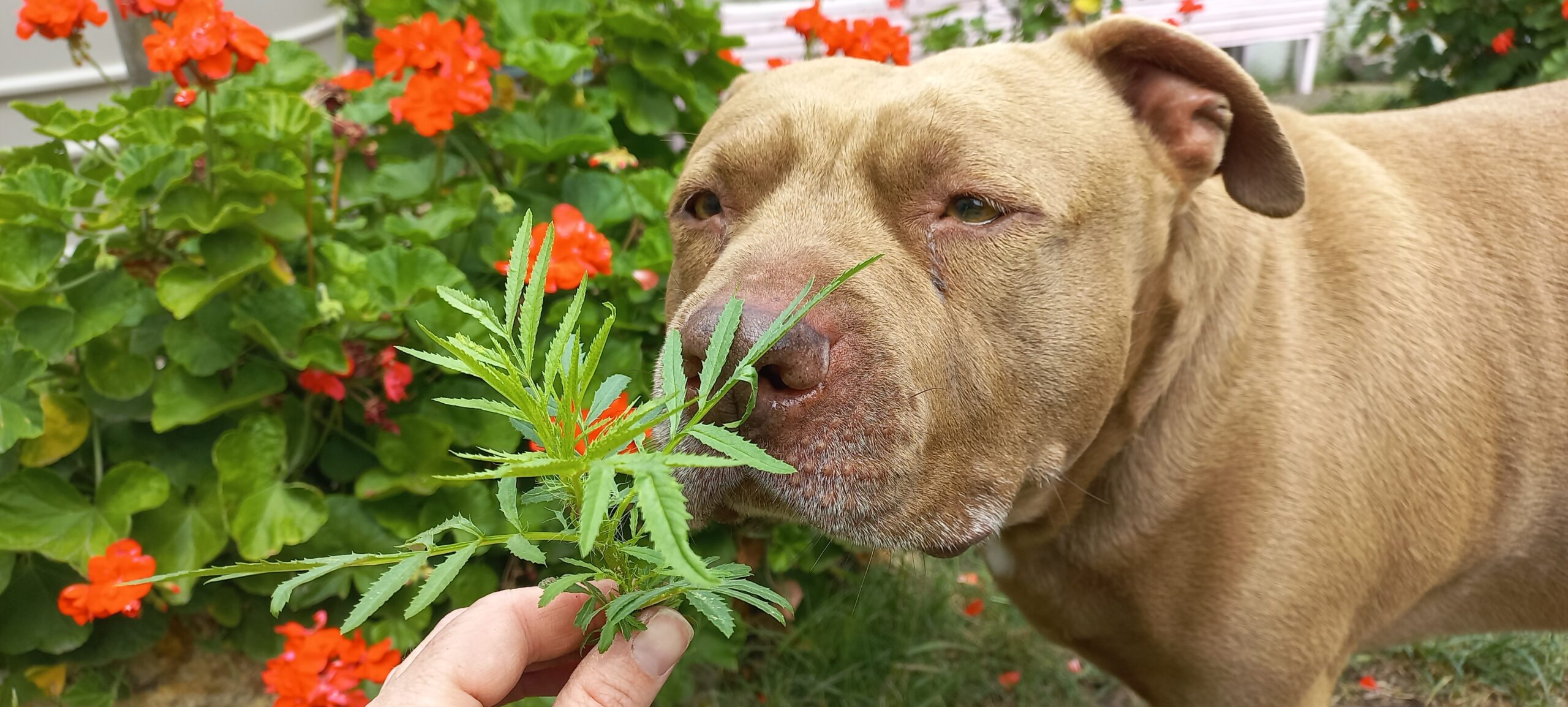
Whether through your own research or your veterinarian’s recommendations, you may have come across CBD for pets dealing with arthritis, cancer, or as a general health supplement. CBD oil has become the most widely used natural product not only for pets but also for people affected by anxiety, chronic pain, and the symptoms of cancer.
But what exactly is CBD oil, and can it really help your cat or dog?
To decide whether this plant-based therapy is right for your pet, let’s examine the benefits of CBD, why full-spectrum oil is best, and how to incorporate it into a comprehensive health and pain management plan.
What is CBD Oil?
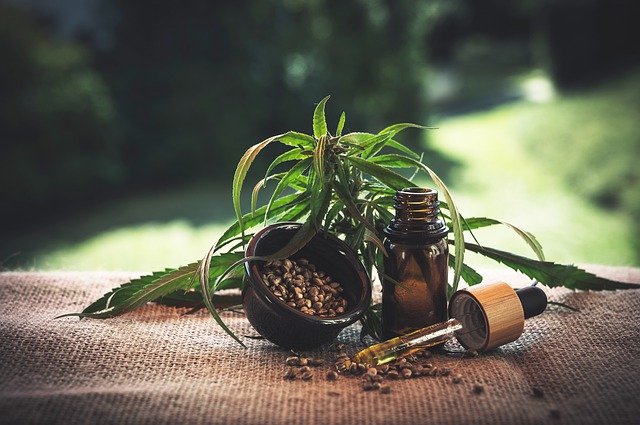
Cannabidiol (CBD), or cannabidiol, is a phytocannabinoid that is a natural chemical found in marijuana or the cannabis plant. The oil is extracted from the flowers (and sometimes the leaves) of the cannabis plant, containing the all-important cannabinoids. Because we, and our pets, have an endocannabinoid system, our bodies can interact with these cannabinoids through cannabinoid receptors. The receptors are stimulated by the production of endocannabinoids that govern memory, pain, and physiological functions.
Cannabidiol is extracted from the cannabis plant and does not contain tetrahydrocannabinol (THC), which is the psychoactive compound that causes a “high” sensation.
What to Know Before Giving Your Pets CBD
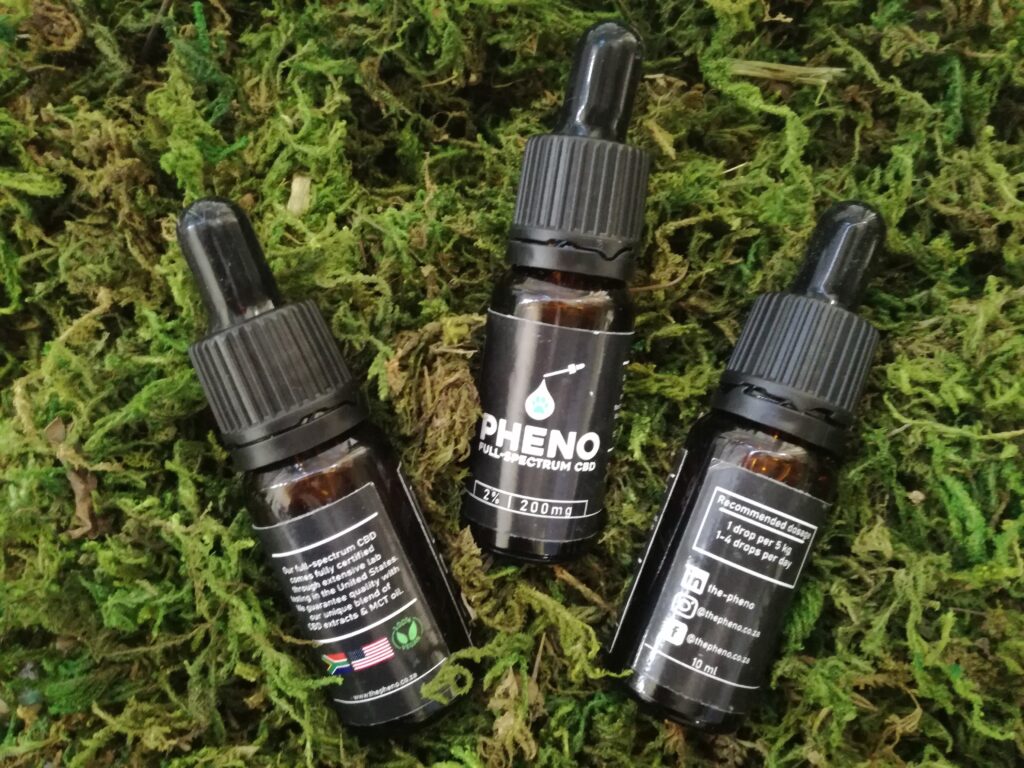
Cannabidiol products are available in different strengths and types. For example, a 200 mg CBD oil doesn’t offer the same pain relief as a 500 mg full-spectrum oil. Unfortunately, many brands that claim to alleviate pain and soothe ailing pets do not have the cannabis compounds required for relief.
Don’t Waste Your Money; Here’s Why
The problem is that CBD for cats and dogs is marketed as the ultimate solution for pain, anxiety, and fighting cancer. But, and here’s a very big BUT, only full-spectrum CBD or those containing the legal amount of THC are effective. You will waste money purchasing regular CBD or low-mg products if you want to help your dog with painful arthritis or cancer. Understanding each of these compounds can also help you choose the right product as part of your fur baby’s wellness plan.
To help you decide the best route for your dog’s health, I break down the differences between regular and full-spectrum CBD, the safety of CBD for pets, and the correct dosages to maximize the therapeutic results.
The Difference Between Full-Spectrum, Broad-Spectrum, and CBD Isolate
When shopping for CBD oil for pets, you’ll come across CBD isolate, full-spectrum, and broad-spectrum. These are the three major types of cannabidiol extracts that differ according to the type of cannabis compounds or chemicals they contain.
CBD isolate
It consists of CBD and no other cannabis compounds. CBD Isolate is not generally recommended for pain because it doesn’t create the “entourage effect.” Only the cannabinoids and terpenes found in full-spectrum oil produce this effect, which provides relief from chronic and severe pain.
Full-spectrum CBD
Contains the cannabinoids, terpenes, and THC of up to 0.3% or more (depending on the product), necessary for pain relief and targeting cancer cells.
Broad-spectrum CBD
Consists of beneficial cannabis compounds, such as terpenes, but does not include THC. Some products have so-called “trace amounts” that won’t cause a high. It also produces an entourage effect and can relieve moderate pain.
The Benefits of CBD Oil for Pets
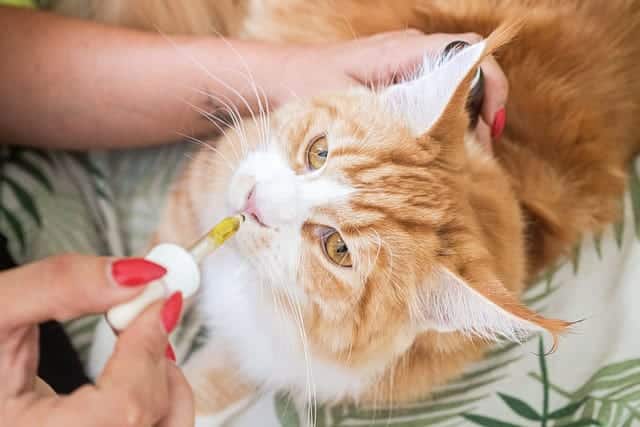
CBD Provides Relaxation for Pets
Animals suffering from sleeplessness or restlessness experience relaxation with full-spectrum products.
CBD Improves Appetite
Full-spectrum CBD eases nausea and digestive upset associated with cancer and chemotherapy. Your fur baby will have good days where they’ll consume all of their food and off days where they’ll barely touch anything. Because nutrition is so important for keeping them strong, you don’t want them to skip meals. It will make your fur companion feel better, and they’ll probably have the munchies!
Full-Spectrum Products Alleviate Pain in Pets
Cannabis helps with pain relief because it interacts with the body’s pain-sensing receptors. Cannabidiol studies have shown improvements in aches, inflammation, and overall discomfort.
Inflammation is Reduced with CBD for Pets
Research concerning the influence of CBD on the immune system suggests that it’s immunosuppressive. Still, you’ve got to understand how CBD works in the body before ruling it out as a therapeutic aid. For example, rheumatoid arthritis and CBD studies have shown immunosuppressive effects by reducing inflammation responsible for pain.
So what do we take away from this?
Think of cannabis as a natural resource that supports and regulates the body’s function based on what it needs.
CBD and Cancer in Pets

Now that you’re aware of the types of cannabidiol, the question is whether CBD can target cancer in pets. For this answer, we must look at clinical studies that closely examine the effects of CBD on cancer cells.
One such study on pet cancer revealed that CBD reduced cancer cell proliferation and improved the efficacy of chemotherapy. CBD has also inhibited glioma cells in dogs, which are cancerous cells found in the brain and spine. Furthermore, research on cannabinoids revealed that the cannabis compounds reduced tumor metastasis and controlled cancer cell growth.
When it comes to cancer-related pain and nausea, THC provides greater pain relief compared to CBD alone.
Studies have also shown that specific components in marijuana can support traditional medication as part of a holistic wellness plan. In cases of chemotherapy, research involving delta-9 and delta-8-THC can suppress chronic nausea and vomiting. It is also recognized as a natural aid for pets affected by a poor appetite and weight loss.
With ongoing studies and clinical trials, there is certainly evidence to suggest that CBD has anti-cancer properties.
Is It Safe to Give Dogs and Cats CBD Oil?

It is perfectly safe to give your dog or cat CBD oil, whether broad-spectrum, isolate, or full-spectrum. At the correct dosage, it helps the body manage discomfort and the side effects of medication. There’s a misconception that pets cannot consume THC, but you’ll find many full-spectrum products made specifically for cats and dogs. In fact, three of my dogs, Ice, Sasha, and Blueberry, all received CBD oil with THC and suffered no ill effects.
The first time I gave Sasha full-spectrum oil, I will admit that I exceeded the dose, not by much. She became a little bit unsteady on her feet, drank a ton of water, and slept for a few hours. All I did was remain calm while monitoring her, and after sleeping it off, she was fine.
What is THC Poisoning in Dogs and Cats?

THC poisoning in dogs and cats can occur if substantial amounts of cannabis are consumed (over the recommended body weight). Whether as marijuana butter, oil, biscuits, vapor, or the plant itself. For example, your dog or cat would have to eat more than 3g of THC per kg to be at risk. You’ll need to pay careful attention to the daily dose if you are using products containing THC to treat pets.
Signs of THC Poisoning in Pets
We know that THC depresses the central nervous system by slowing the heart rate and reducing blood pressure. It relaxes the body, but if too much is consumed, the following signs of THC poisoning in dogs may occur:
- Slow breathing rate
- High anxiety/hypersensitivity
- Salivation
- Uncontrolled urination
- Poor coordination
- Drowsiness
Cases concerning THC death in pets are rare. However, if you notice any of the above-mentioned symptoms, take your pet to the veterinarian immediately.
Can You Use Topical CBD Products On Pets?

Yes, you can easily apply cannabis oils and creams to growths, tumors, and dry or irritated skin to relieve itching and inflammation. However, if your cat or dog has mast cell tumors (MCTs), do not manipulate the mass. For MCTs, it’s better to drop the full-spectrum oil onto the mass rather than use your hand to rub the tumor and cause histamine release.
Interestingly, some pet parents swear by full-spectrum oil for pets with inoperable tumors, stating that it shrinks the masses. While research on this particular topic is still far from complete, it’s believed that THC, more so than CBD, has tumor-shrinking properties.
Full-Spectrum CBD Dosage for Dogs and Cats
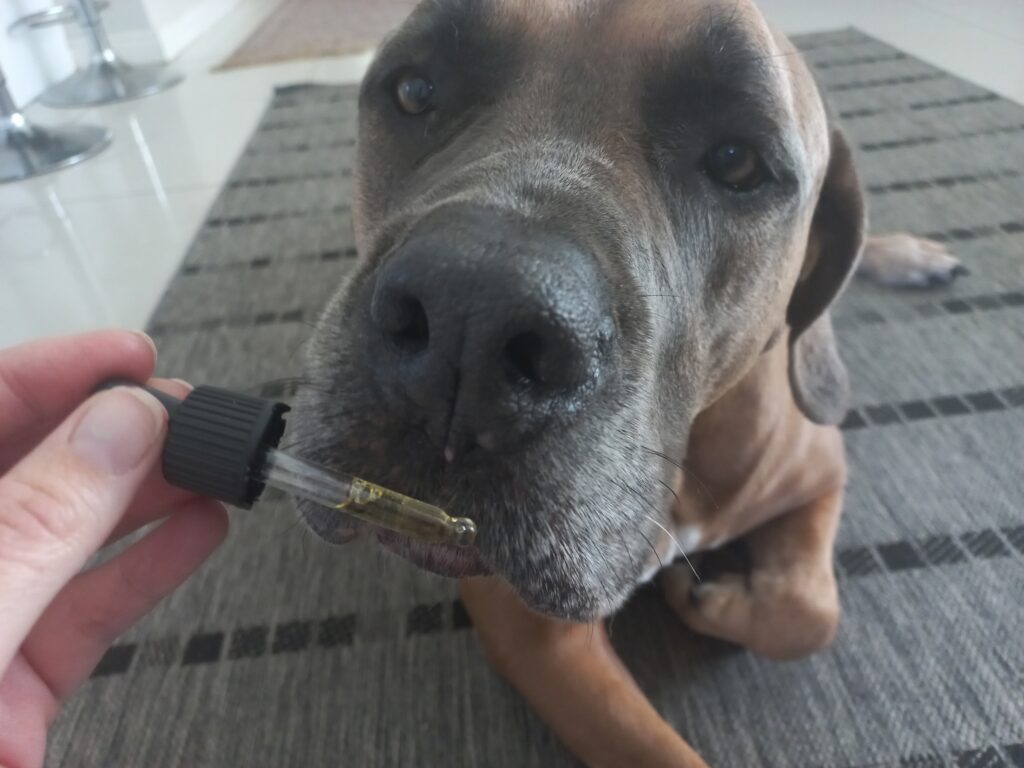
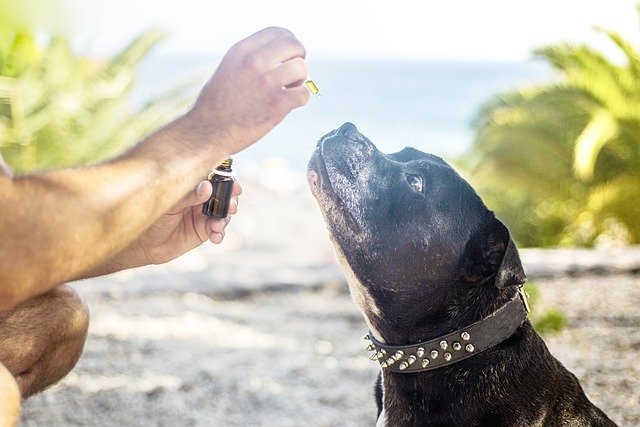
The cannabis oil is administered in the form of a tincture using a medicinal dropper. The general dose of full-spectrum CBD oil for pets is 1-5 mg per 10 lbs of body weight. I usually recommend a 1000 mg full-spectrum CBD product to treat pain, inflammation, and cancer. It is very powerful, so always start with less than half of the recommended dose! I cannot emphasize this enough. Always start low and slowly increase to the advised bodyweight ratio over a week or two.
Go slow and keep it low!
You should speak to your general or a holistic vet about the strength and dosage of CBD oil based on your pet’s age and condition.
On a side note, dogs and cats don’t really like the taste of full-spectrum oil. While some don’t mind taking it straight from the dropper, others sniff and turn their noses up. Ideally, pets should take CBD under the gums or on the tongue because it’s the fastest way to get absorbed into the bloodstream. Alternatively, you can drop the oil onto their food and mix it in, or you can disguise it in their favorite treat.
Just remember that rubbing the oil inside the ears or onto the skin is the slowest and least effective way of administering the product.
When Not to Give Full-Spectrum Oil
Despite CBD and full-spectrum products being natural, they aren’t always suitable for all pets. Dogs and cats with certain neurological conditions may not be good candidates for CBD, but this should be discussed with your vet. Blueberry was placed on a sedative before her vet visits, which resulted in uncontrolled head tremors. She initially responded positively to the tinctures during her TPLO recovery; however, after developing the head tremors, she couldn’t continue with CBD. This is when I introduced turkey tail mushrooms for their immune-boosting and cancer-fighting benefits.
While CBD oil is not a cure for cancer, it can offer relief and may even slow the rate at which cancer progresses. Remember to speak to your vet if your dog or cat is on chemotherapy or prescription medication before giving them alternative products. This is just to be on the safe side, so you avoid any negative interactions and always prioritize their well-being.
Can I Give My Dog CBD Every Day?
Yes, you can safely give your dog CBD every day. In fact, you can give your dog CBD oil twice a day, depending on the strength of the product and the condition that you’re treating. Based on a study of dogs with osteoarthritis, a dose of 7 mg CBD and 0.3 mg THC in full-spectrum oil was provided twice a day. At the end of the trial, the dogs receiving full-spectrum oil showed a 30% improvement in their quality of life.
A consistent dosage keeps CBD in the bloodstream at therapeutic levels. It ensures that pets are always comfortable. Cannabidiol taken orally remains active for 4-8 hours after ingestion.
CBD is a Safe and Supportive Supplement for Pets

If you want an alternative to harsh prescription medication when managing pain, poor appetite, sleeplessness, or anxiety in pets, then CBD is a safe choice.
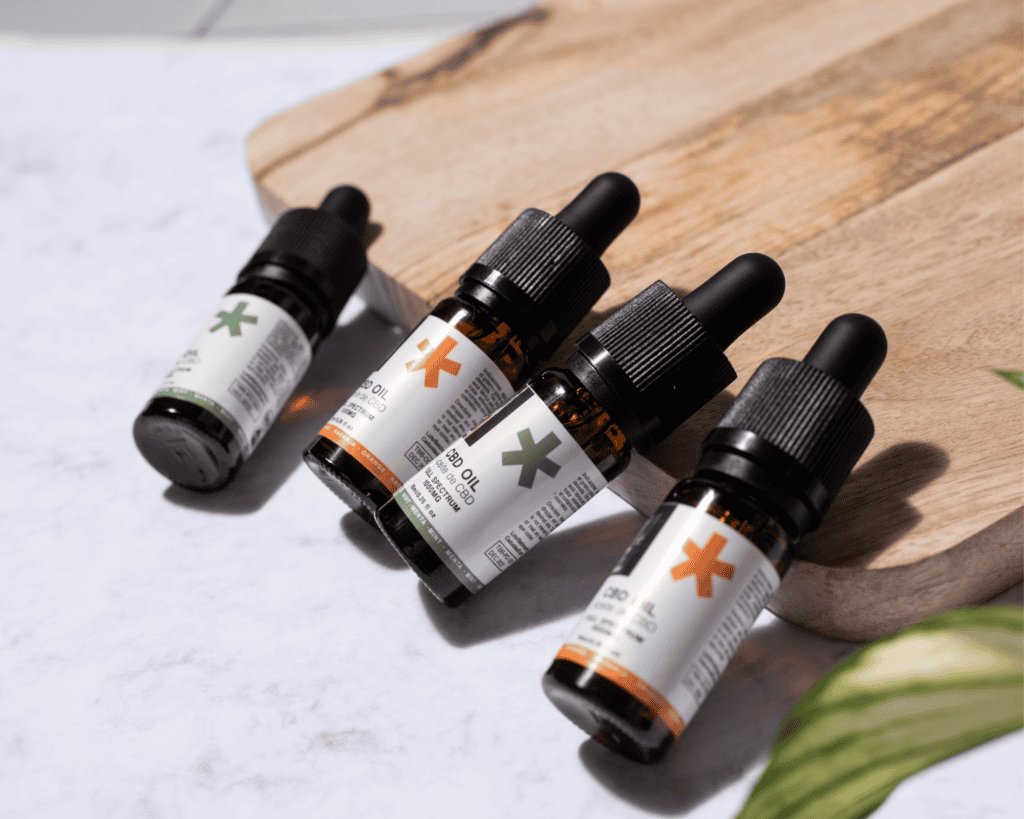
CBD oil is available in varying strengths from 200 mg to 1000 mg and higher, so be sure to choose the appropriate strength based on your dog’s ailment and symptoms. CBD isolate contains no THC, while full-spectrum or CBD plus contains trace levels of THC, usually <0.3% THC. Arthritis, cancer, and seizures are managed with higher mg and full-spectrum CBD products.
In addition to full-spectrum CBD for dogs, include cancer-fighting ingredients, such as vitamin C for pets. Water-soluble vitamin C is recommended to strengthen the immune system, which is a great addition when targeting cancer cells.
Please feel free to share your experiences and questions about giving CBD oil to your fur babies. It’s an overwhelming first step with a lot of “what ifs,” but starting slow at a lower dose is always best. It’s a journey of note that can help you and your fur companion with much-needed relief, hope, and a warrior attitude.