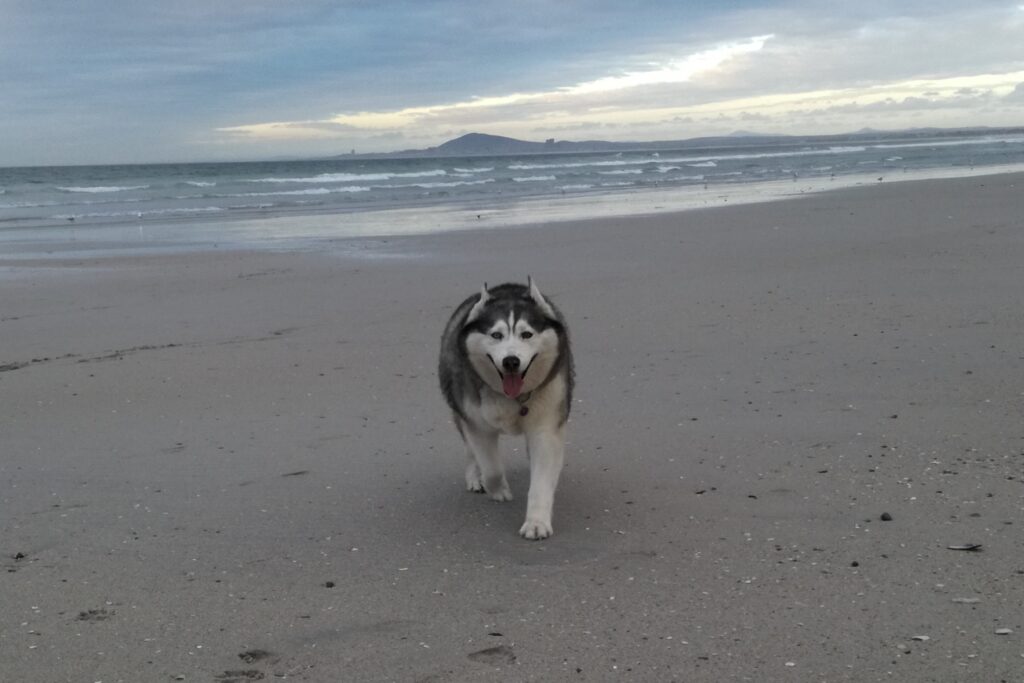
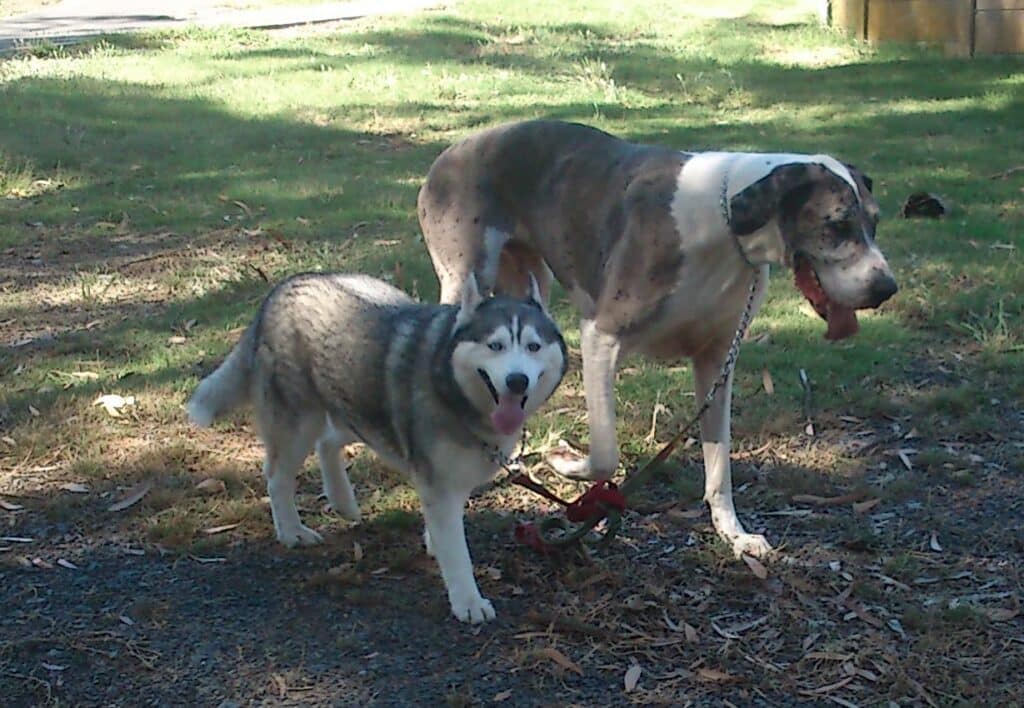
Ice was the sweetest, fluffiest husky I’ve ever met. You couldn’t go anywhere without someone admiring his beautiful blue and brown eyes. As with most huskies, Ice was a pretty active dog, and it was only in his senior years that he experienced some stiffness or minor limps after walks.
But when he developed a limp after every walk, and his leg became painful to the touch, we knew it was more than just old age or arthritis. He also showed signs of struggling to pass stool, which added to my concern as to what was really going on.
He was eventually diagnosed with bone cancer, called osteosarcoma. So, this is where I’m going to share Ice’s story. I break down his symptoms, how we managed his pain, treatment options, and steps to help you navigate this part of your pet’s journey. If your dog’s been diagnosed with bone cancer, my heart goes out to you.
Recognizing the Signs: Ice’s Initial Bone Cancer Symptoms
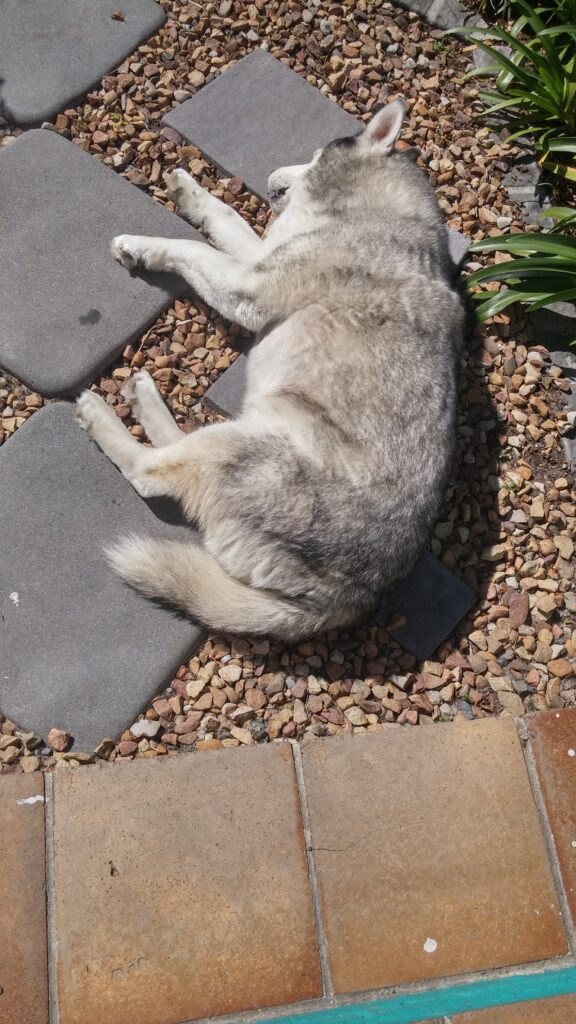
The most common symptoms of osteosarcoma in dogs are recurring limps, pain, lethargy, and swelling at the affected site. Some dogs may have days when they’re uninterested in their food. While Ice had cancer in his hind leg and hip, bone cancer can also affect the skull, jaw, and front legs. Dogs that show signs of respiratory difficulties may have cancer in their lungs as the tumor primarily spreads to this area.
I recall thinking that Ice had a severe leg injury. But what distinguished his symptoms from those of a muscle sprain or cruciate rupture was the worsening of the pain and lack of improvement. Some dogs develop a tumor or swelling on the affected limb or bone. And while I’m focusing on bone cancer of the limbs in dogs, it can also affect the jaw, spine, knees, and ribs.
Treatment Options for Bone Cancer in Dogs
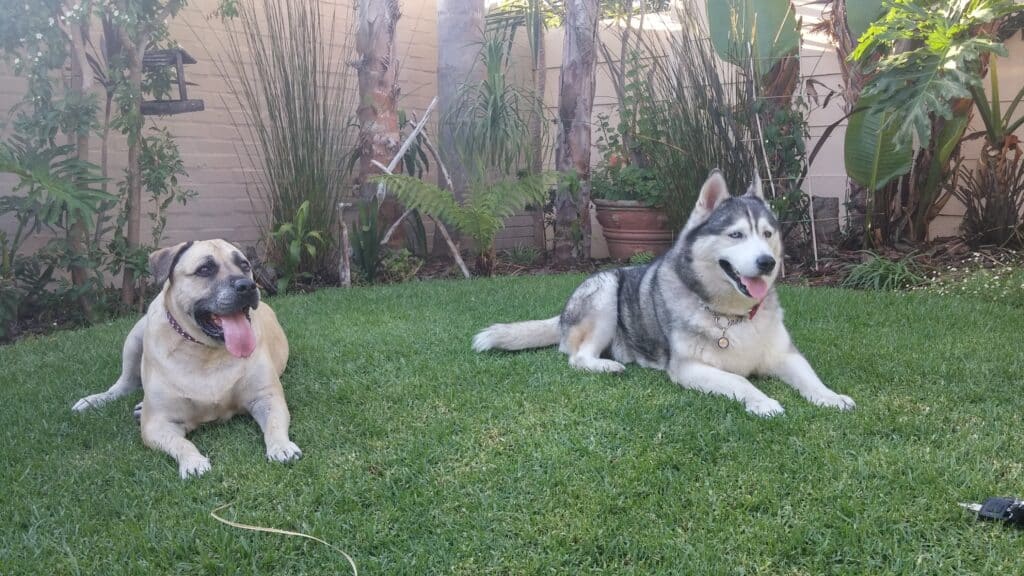
In most cases, and you’ve probably read this already, the best course of action is to amputate the cancerous limb. I’ve seen dogs of all sizes adapt to three legs; it’s actually quite amazing how quickly they become accustomed to their new bodies. If you are considering amputation, I recommend checking out veterinary surgeon Noel Fitzpatrick on a show called “The Bionic Vet” or “Super Vet.” Watching the Bionic Vet, I learned how amputations are performed along with the rehabilitation process. It was incredibly interesting and took a lot of the fear out of
Unfortunately, Ice wasn’t a candidate for amputation. Not only was his age against him, but the cancer had spread into his pelvis. Dogs with bone cancer live for up to 6 months after the affected limb is amputated. With chemotherapy, this increases to one year. A very small percentage of affected dogs can live to 2 years, but without amputation or chemo, their longevity is only 1 to 2 months.
Managing Pain: Medication and CBD for Bone Cancer in Dogs
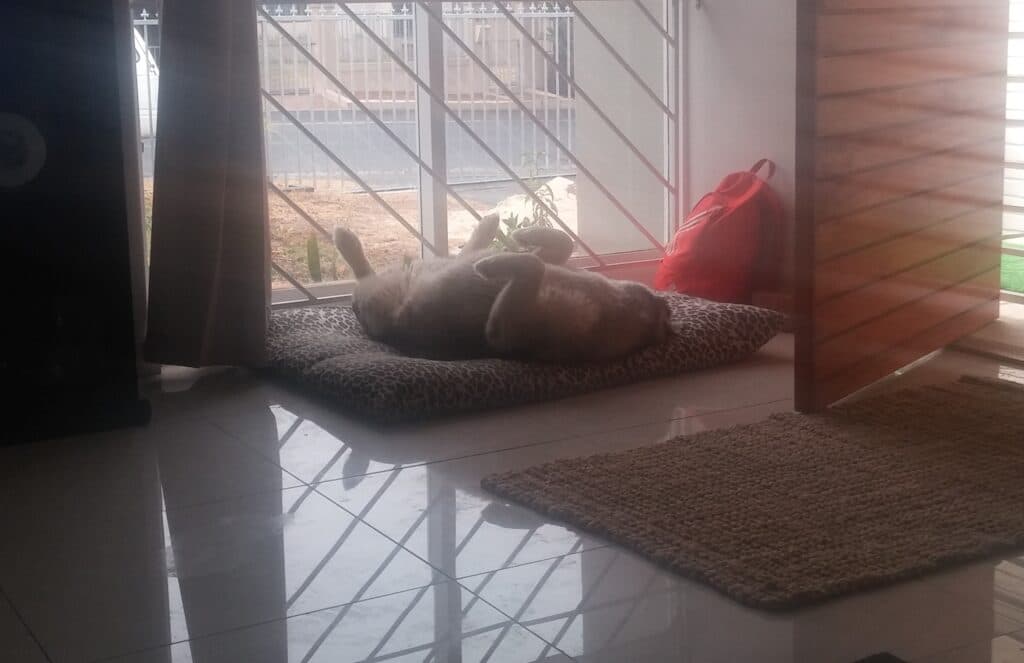
Whether or not you decide on amputation or chemo, integrating a holistic plan is necessary. Of course, always discuss pain management and alternative remedies with your veterinarian, but factors such as diet and CBD for dogs should be a part of your fur baby’s care.
Ice had tremendous pain, and that’s one aspect of osteosarcoma that’s hardest to deal with. One day, while Blueberry was running around and being her silly self, she slid and bumped into Ice. He cried so terribly that all I could do was hold him until he stopped. Bone cancer in pets is immensely painful. Because this type of cancer “eats at the bone,” it causes weakness. The bone eventually appears as honeycomb, increasing the risk of fractures.
So, what can you do when your dog is diagnosed with osteosarcoma? I’m going to be honest; this is an aggressive cancer. There is no alternative therapy that will tackle or cure bone cancer, but such therapy may offer pain relief, combat nausea, and improve comfort. If you’ve come across promises of cures using certain plants, diets, or off-label medications, please exercise caution.
Yes, conventional treatment, such as amputation and chemotherapy, is expensive, and the thought of putting your pets through this is distressing. But my advice is to speak to your vet first. Learn about osteosarcoma so that you’re aware of the progression of the cancer and how it will affect your dog’s quality of life. And please don’t believe people who make false claims or promises about their products because all they’re doing is using your vulnerability and desperation to save your pet.
Full-Spectrum CBD for Pain in Dogs with Bone Cancer
Despite the prescription medication Ice received for pain, he couldn’t sleep well and dealt with ongoing discomfort. We decided to give him 1000 mg of full-spectrum oil containing high levels of CBD (cannabidiol) and THC (tetrahydrocannabinol). He was given a rice grain amount in the morning and evening, which definitely helped with sleep. The CBD did help with sleep, but not with appetite.
Ice’s Dog Cancer Diet

Now that we know that osteosarcoma is a rapid cancer, the next best step that you can take is to make life as comfortable for your fur baby as possible. This includes introducing cancer-fighting foods and tasty ingredients that you’ll find in the dog cancer diet. There were days when Ice wasn’t interested in food, so if you notice that your fur baby has no appetite, don’t force them to eat.
To get Ice to eat small portions of food, I’d prepare semi-cooked and raw beef mince blended with vegetables, such as carrots, spinach, and broccoli. My blue-eyed and brown-eyed husky was never a fan of veggies, so blending them into the meat was an easy way to hide them. This way, Ice received much-needed protein along with vitamins C and A, which are powerful immune boosters. As an antioxidant, vitamin C for dogs can boost their energy and combat the side effects of chemotherapy.
When it comes to cancer, there’s no quitting! We try our best to give our fur companions all of the love and comfort that we possibly can when they’re ill. Preparing a nutritional diet is a simple way to help them cope with nausea, fatigue, and days when their appetite is just not there. I hope and believe that, in some way, incorporating a nutritional diet, natural therapy, and supplements like full-spectrum CBD can give them some extra time. And if not more time, then it can improve their quality of life.
Saying Goodbye: Honoring Ice’s Legacy and Finding Peace

Ice’s decline was quite rapid because we only detected the cancer in the late stages. He was 12 years old and lived for close to 2 months after his diagnosis. Towards the end, he stopped eating, even refusing his favorite bits of chicken. He developed a permanent limp, and even though he could walk, he would whimper at night because of pain.
The combination of severe pain, the refusal to eat, and the blockage that the abnormal pelvic bone caused led to a very difficult decision.
When it was time to say goodbye, the vet told us that he had already started bleeding internally, so before it became a crisis, euthanasia was the kindest thing we could do for him. This husky boy was so brave, and right up until the end, he kept the broad smile he always wore. We actually took him to a beautiful reserve before seeing the vet. He got off-leash time to explore the sights and smells, and this was our peaceful send-off for Ice. No more pain, no drastic weight loss, and no risk of a devastating fracture.
Today, I encourage pet owners to pay attention to changes in their fur baby’s movement, comfort, and overall condition. We don’t want to think the worst, but your veterinarian should always check out a suspicious growth, ongoing digestive problems, or a limp that doesn’t go away. Early intervention matters. Even if there isn’t a cure, you can take steps to ease your pet’s pain, and that’s something you’ll instantly recognize when you look into their eyes.
Final Thoughts
Dogs with bone cancer experience tremendous pain. So when your fur baby receives this devastating diagnosis, the first step is working with your vet to create a pain-management plan. If you decide to use full-spectrum CBD, check with your vet that it won’t interfere with your dog’s prescription medication.
The next step is to provide supplements that fight cancer along with those tasty meals. If your dog isn’t suffering from any underlying conditions and you get the all-clear from your vet, then buffered vitamin C, fish oil, medicinal mushrooms, and turmeric are excellent immune boosters.
Then comes the fun part. Spoil them with their favorite treats, toys, and attention. Cherish the time you have left, whether it’s one month or one year. We gave Ice pizza and cuddles and took him to a beautiful park, where he walked at his own pace and rested when he’d had enough.
I know that you’re here because you love your fur baby, and perhaps you want to exhaust all the options available to you. There’s no easy answer when it comes to pet cancer, especially aggressive cancers such as osteosarcoma. Unfortunately, dogs with bone cancer don’t have a long lifespan, so make good memories while you can. My thoughts and prayers go out to you and your beloved fur companion.
Proudly powered by WordPress
This post reflects my personal experience with my pets. I am not a vet, so please don’t treat this as medical advice. Every pet is different—always check with your veterinarian before making changes to your pet’s health routine.