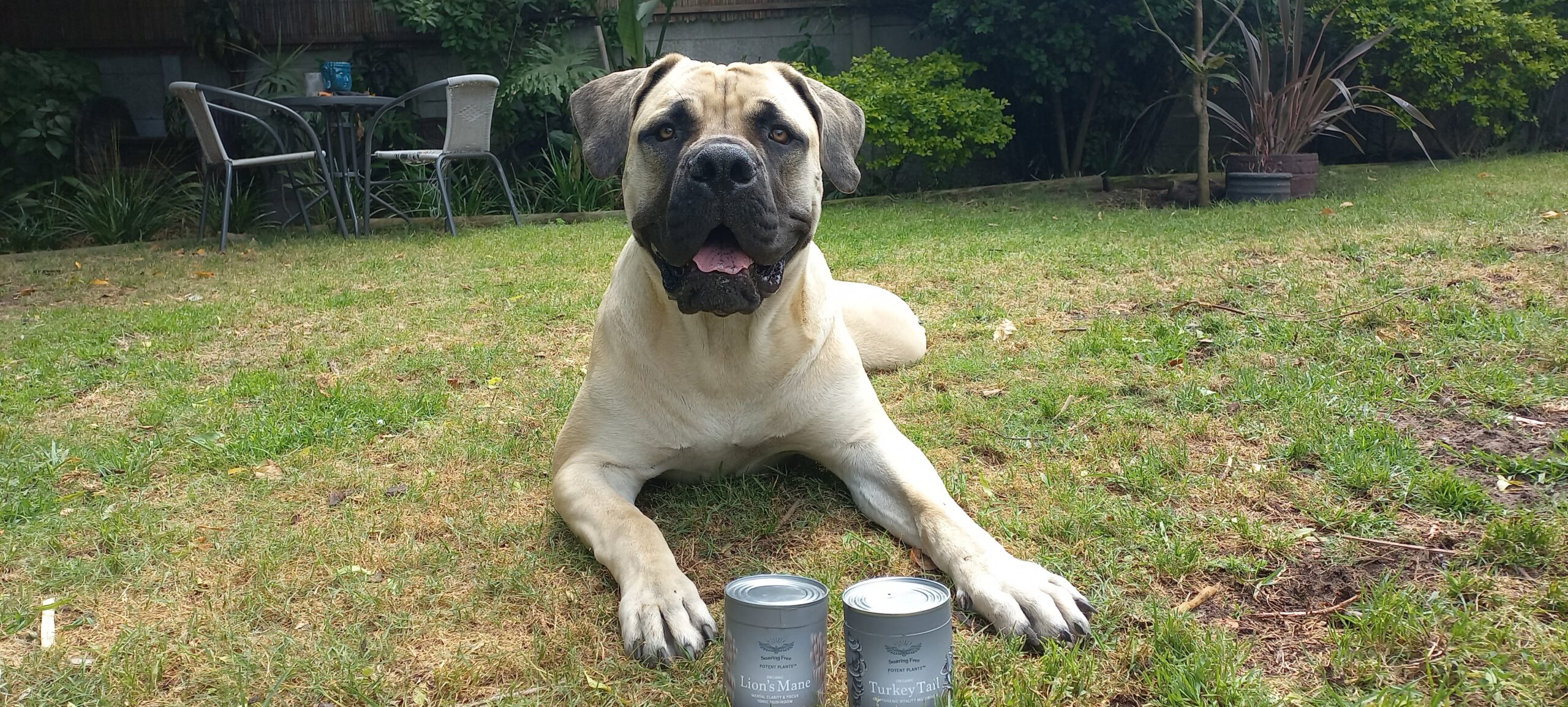
Turkey tail, lion’s mane, and reishi are three potent mushrooms that are safe for pets to consume when they need a serious immune boost. As far as managing cancer in dogs, it’s one of the best alternatives out there.
When Blueberry received her diagnosis of hemangiosarcoma (HSA), I desperately searched for something other than chemotherapy that would help her with comfort and more quality time. That’s when I came across turkey tail mushrooms, and after hours of research, I decided to place her on a combination of turkey tail, lion’s mane, and reishi mushrooms. If we were going to fight hemangiosarcoma, I was going to find every possible remedy that would support my girl.
Remember that turkey tail, lion’s mane, and reishi mushrooms are not cures for cancer. They can, however, play a vital part in stimulating the immune system and fighting cancer cells. For example, turkey tail mushroom studies in people have revealed improvements in the longevity of patients with gastric cancer. Undoubtedly, medicinal mushrooms for pets should be part of your fur companion’s cancer-fighting regimen. Of course, before you start any new therapy, even if it is natural, speak to your vet about it.
I discuss Blueberry’s mushroom regimen in more detail below:
Turkey Tail Mushroom (Trametes versicolor)
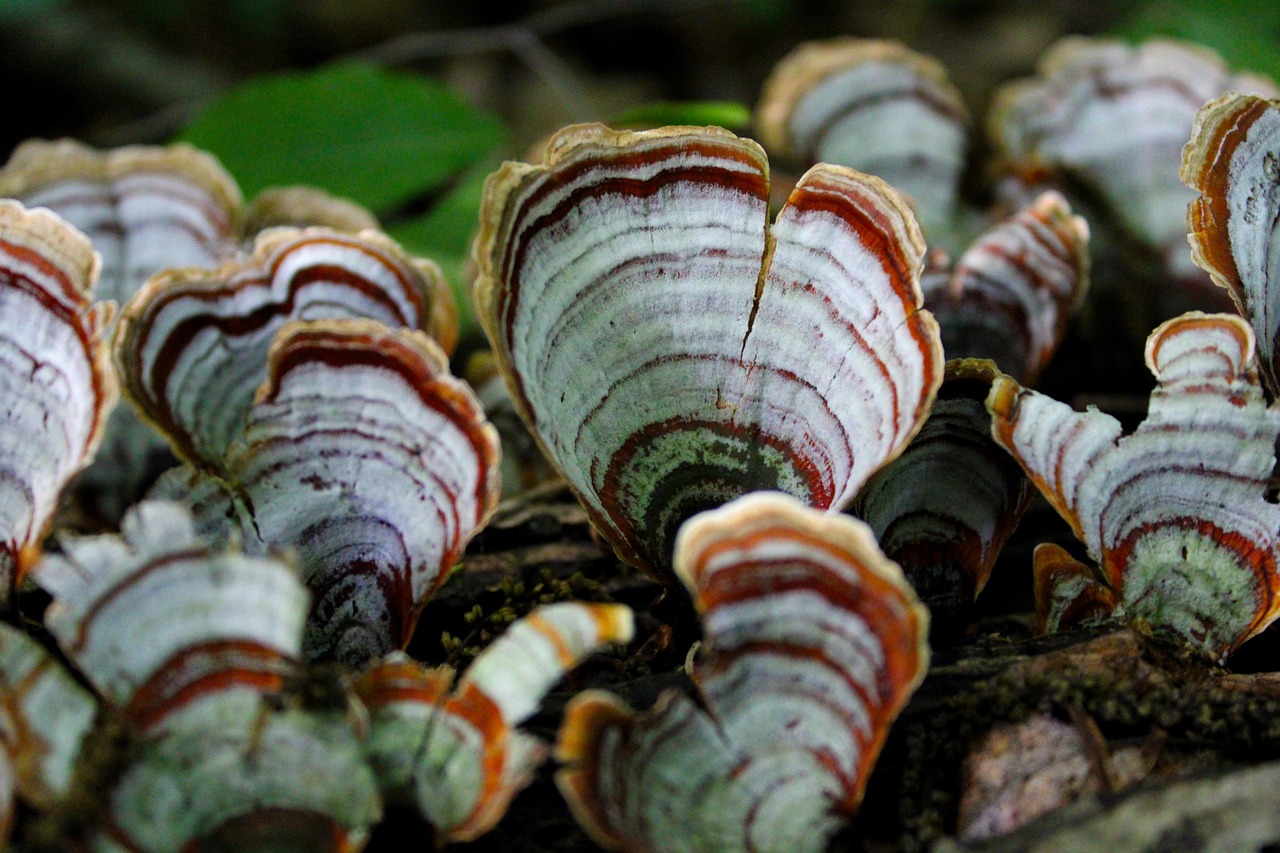
Turkey tail mushrooms are packed with phenols, which are antioxidants that protect against oxidative stress. This reduces the risk of cell damage, which can lead to chronic diseases and the development of cancer. But what makes this mushroom so unique is its abundance of polysaccharopeptide compounds such as polysaccharide-krestin (PSK) and polysaccharide peptide (PSP). They significantly strengthen the immune system. More specifically, PSK is a powerful immune booster and a natural killer! PSK activates natural killer (NK) cells in the body, which target and attack cancer cells and infections.
In Japan, PSK is used to support patients undergoing chemotherapy. PSP, on the other hand, strengthens immune cells, such as macrophages, to suppress inflammation and fight tumors.
The Potent Benefits of Turkey Tail Mushrooms for Dog Cancer
For dogs, turkey tail mushroom is not only safe but also a potent cancer-fighting therapy. Blueberry received organic turkey tail mushroom powder daily, along with 3 months of chemotherapy. You might have read that the turkey tail mushroom is recommended for dogs with hemangiosarcoma. Several articles report that Trametes Versicolor improved longevity in dogs with HSA from 2 to 3 months to a year. While turkey tail is an incredible supplement, in my experience, chemotherapy combined with medicinal mushrooms offers the best prognosis. Berry lived for 10 months after her diagnosis, and when she passed, the vet mentioned that very few dogs of her size make that survival time.
My advice is to exercise caution when it comes to claims of dogs with hemangiosarcoma reaching a lifespan of one year or more using natural remedies alone. With surgery and chemotherapy, dogs can live for a year, but this depends on how early the cancer was detected, whether it involves spread to the lymph nodes, and the subsequent treatment. Turkey tail mushroom is a wonderful aid, and I believe that it helped Blueberry, but it is not a cure. Dogs that haven’t received chemotherapy have a prognosis of 3 to 4 months.
Choose Organic Turkey Tail with Dual Extraction
The best turkey tail mushroom product for dogs with hemangiosarcoma and other types of cancer is a liquid extract or tincture with dual extraction. Dual extraction maintains the integrity of polysaccharopeptides. Be sure to look for the compounds PSP and PSK.
Dosage
The recommended daily dose is at least 100 mg per kg of body weight. You can mix it with your pet’s regular kibble or favorite treat.
Lion’s Mane Mushroom (Hericium erinaceus)
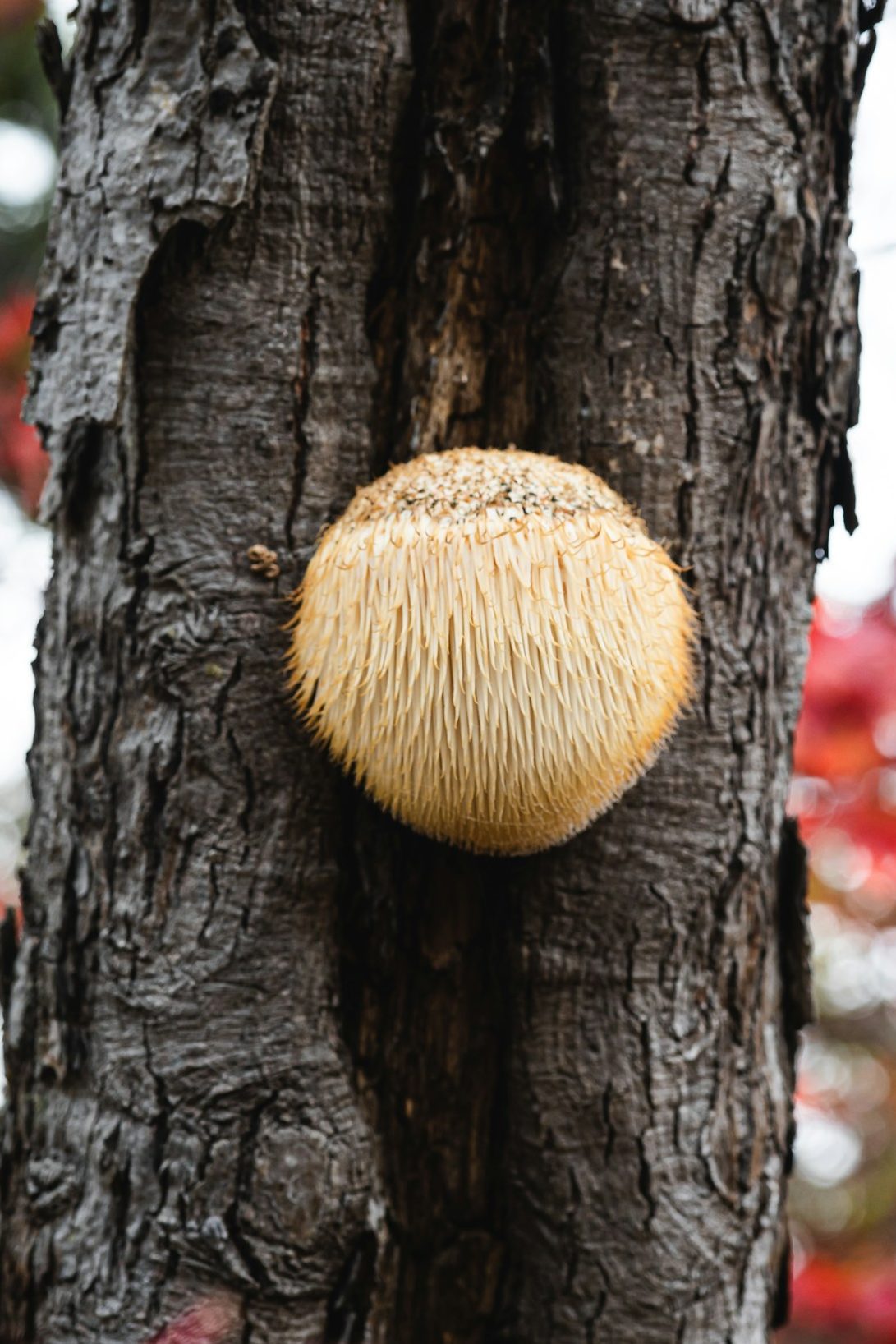
The incredible lion’s mane mushroom is the brain booster of them all! Easily identified by its hairy exterior, this fuzzy mushroom can improve heart health and digestion, along with cognitive function. Lion’s mane contains antioxidants, such as polysaccharides and terpenoids, that prevent cell damage. Most importantly, it has beta-glucan, a polysaccharide with anti-inflammatory and immune-modulating properties that fight cancer and prevent its spread.
Clinical studies involving lion’s mane and mice have shown anti-metastatic results, particularly in colon and gastric cancer.
Dosage
Look for high-strength lion’s mane extract between 1000 and 3000 mg or a ratio of 10:1. Provide your pets with two to three daily servings of lion’s mane.
Reishi Mushroom (Ganoderma lingzhi)
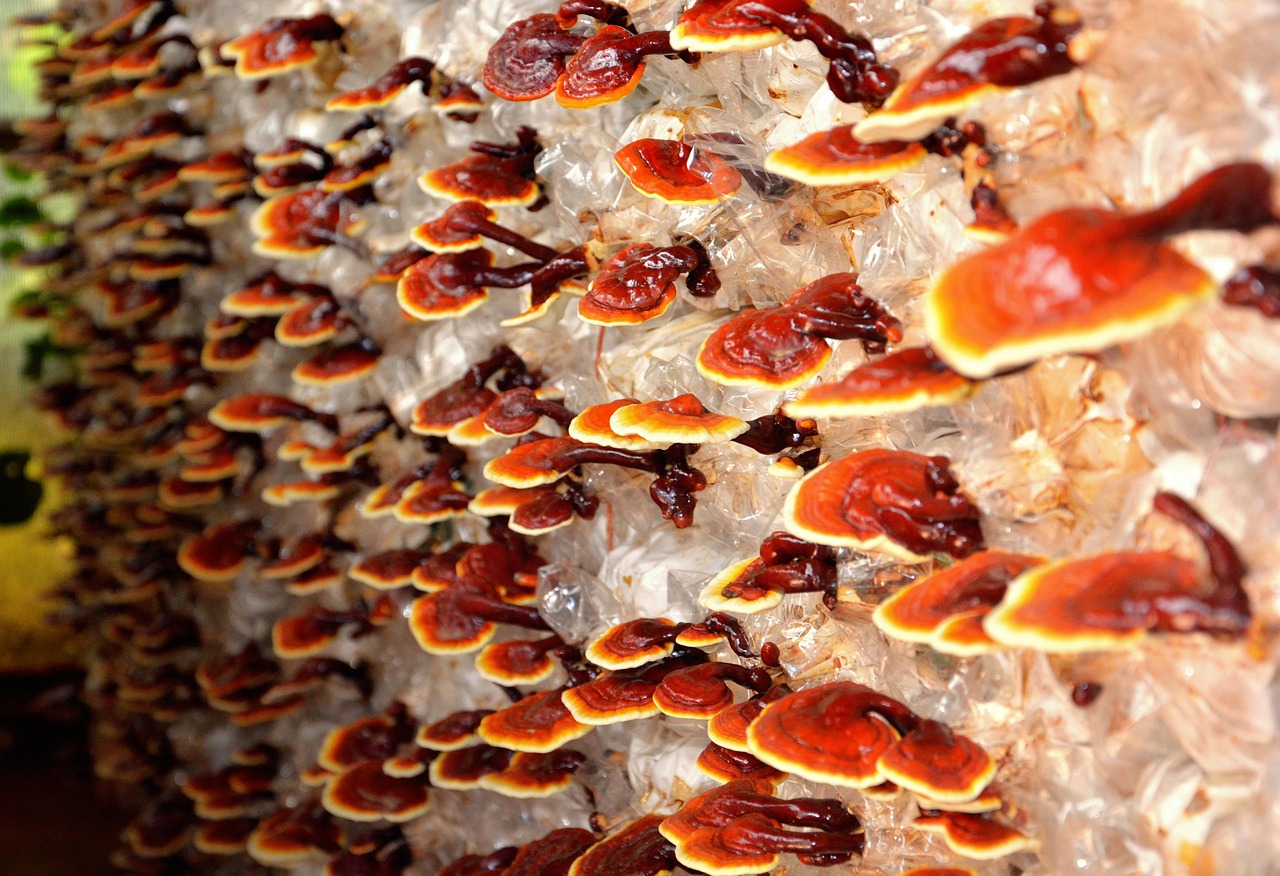
Another potent medicinal mushroom for dogs is reishi. The mushroom can minimize allergies and reduce inflammation. Reishi contains polysaccharides, such as beta-glucans, to strengthen the immune system. Antioxidants prevent free radical cell damage, which reduces the risk of cancer and heart disease. The reishi mushroom possesses anti-cancer compounds that inhibit tumor growth and are said to protect heart and liver function.
To obtain the most potent forms of these mushrooms, purchase dual-extracted and log-grown fruiting body products. Avoid supplements labeled: “mycelium” or “myceliated brown rice,” as these lack the necessary antioxidants. Pure reishi ideally has between 35% and 45% beta-glucan.
When Not to Take Reishi Mushrooms
Reishi is not recommended for people or pets with bleeding disorders, low blood pressure, or immune system disorders. The medicinal mushroom must not be consumed at least two weeks before surgery to prevent bleeding and poor wound healing. Reishi works as a vasodilator, improving blood flow to the heart, but it also increases the risk of excessive bleeding.
Blueberry wasn’t given reishi because of the risks. While Reishi is excellent at slowing cancer growth, it may cause bleeding and interact with chemotherapy. It’s always a good idea to talk to your veterinarian before introducing supplements to your pet’s healthcare plan.
Dosage
Organic reishi is most effective at a dose of 10 to 15 mg per kg of body weight. Pets of up to 20 lbs benefit from a 200 mg reishi extract per day, while dogs of between 50 lbs and 100 lbs should be given an 800 mg extract daily. Start with half of the recommended dosage and increase over a few days to help your fur companion build tolerance. Lastly, always monitor for symptoms, such as changes in appetite and digestive upset. Stop using the supplement if your dog has a negative reaction.
The Benefits of Medicinal Mushrooms for Pets
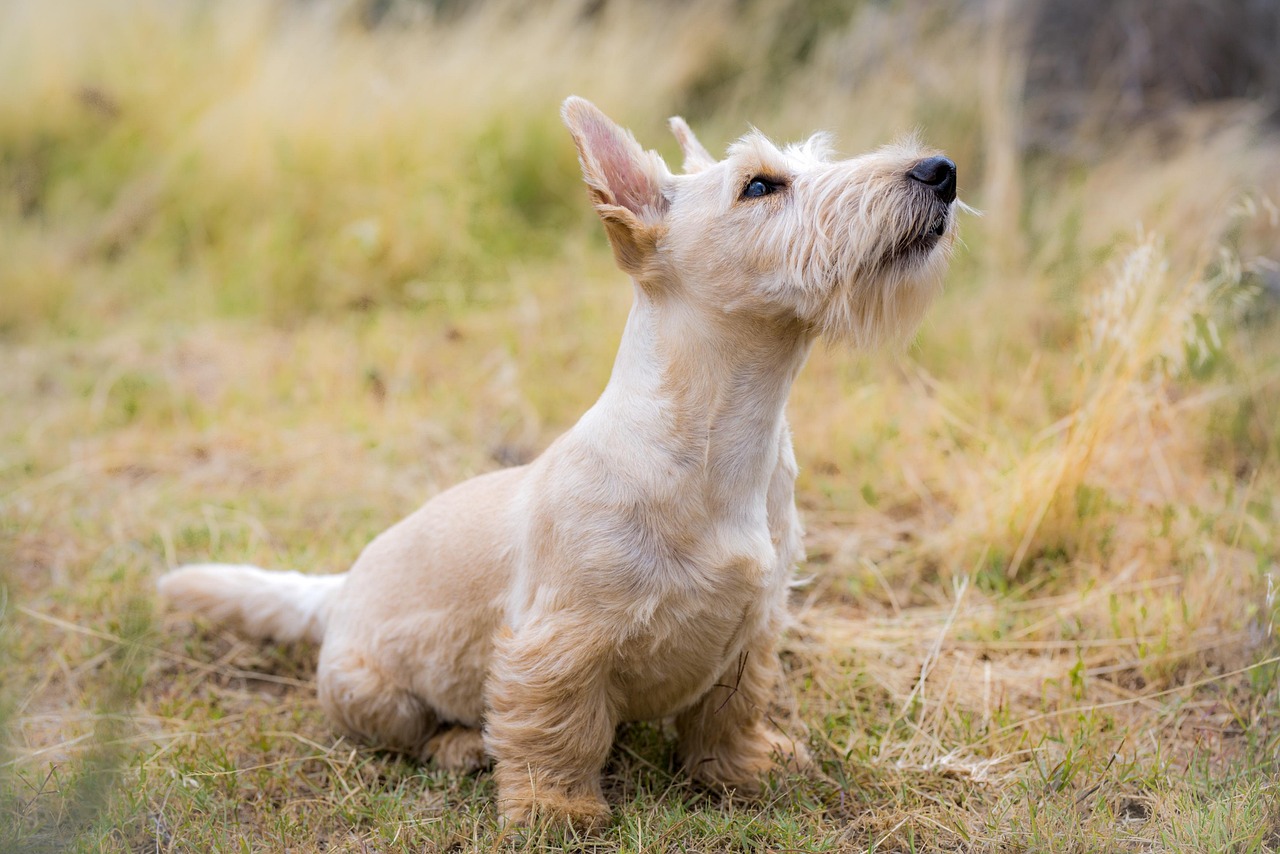
Turkey tail mushroom, lion’s mane mushroom, and reishi mushroom are potent and natural foods that have become the focus of many studies concerning cancer and infections in pets. Medicinal mushrooms have antioxidants and anti-inflammatory properties that boost immunity and support recovery from conditions, including kennel cough, parvovirus, and allergies.
In my experience, and after reading numerous testimonials from people and pet owners alike, the combination of turkey tail, lion’s mane, and reishi offers the most support for the immune system. Thanks to compounds, such as PSP and PSK, that activate immune cells, these products can inhibit tumor growth. These amazing medicinal mushrooms have been shown to alleviate the side effects of certain cancer treatments.
They’re Easy to Use
You can easily mix the powder into your pet’s meals, but if you have a fussy pooch, mix the supplement with a gravy or some tasty meats. As always, check with your veterinarian concerning the safety of medicinal mushrooms for your dog. As I mentioned earlier, Reishi may interact with chemo or NSAIDs, making it unsuitable for dogs receiving these treatments.
What I do know is that turkey tail and lion’s mane offer some incredible health and anti-cancer benefits. I do believe that it supported Blueberry during her chemotherapy, and I’ll probably add some medicinal mushrooms to my own morning smoothies as a gentle health boost. It’s certainly worth exploring when helping your precious pup fight with everything they’ve got!
This post reflects my personal experience with my pets. I am not a vet, so please don’t treat this as medical advice. Every pet is different—always check with your veterinarian before making changes to your pet’s health routine.
Proudly powered by WordPress