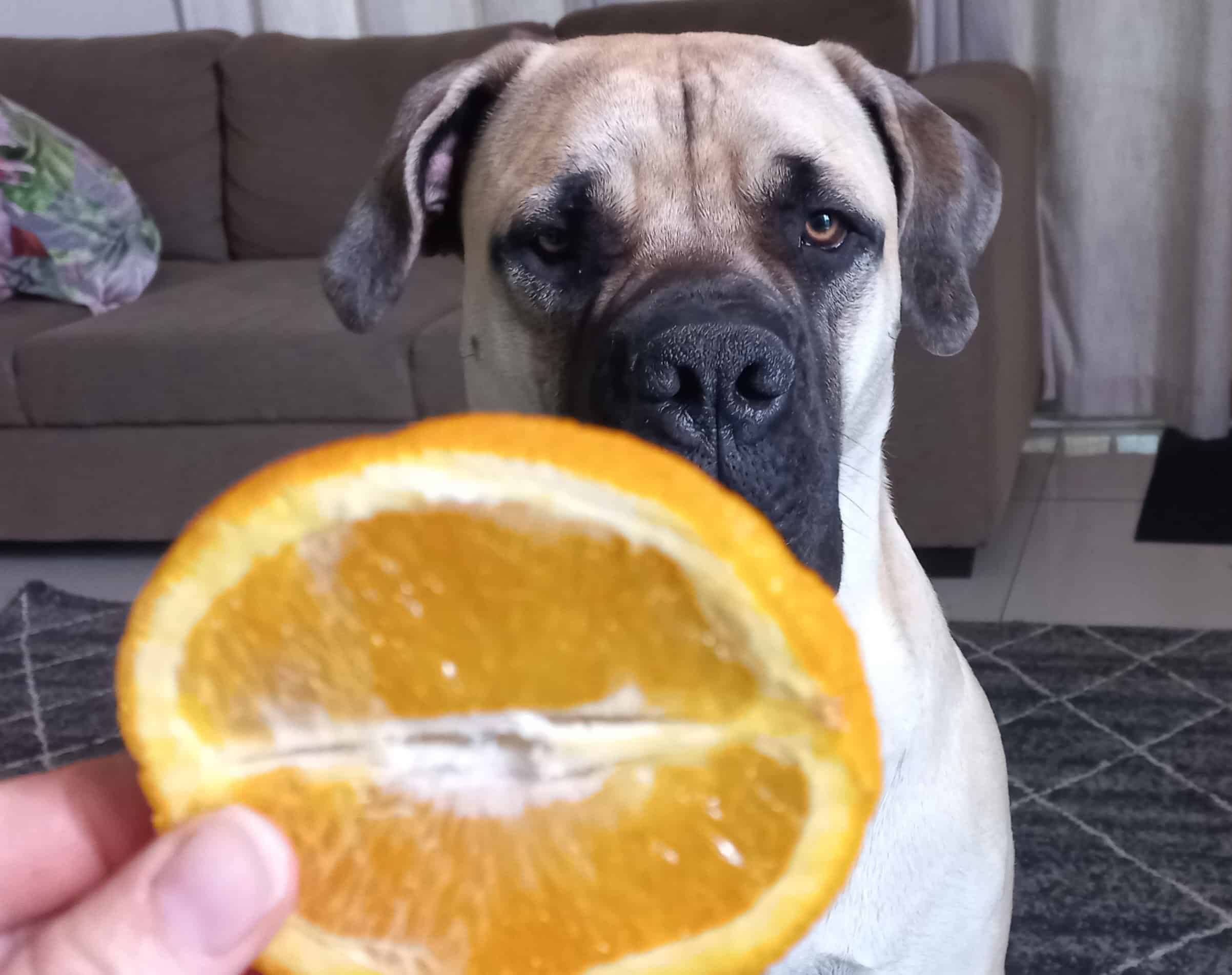
When Sasha, my beloved Boerboel X, developed a tumor on her hind leg and was diagnosed with mast cell cancer, she was already 11 years old and arthritic. The tumor was inoperable because of its size and location, and chemotherapy wasn’t an option. At this stage, Sasha was still eating normally, she wasn’t in pain, and her personality was unchanged. It wasn’t a time for giving up. At this point, I searched for alternative ways of managing the cancer that would keep her comfortable for as long as possible.
Part of this plan was meeting a holistic veterinarian. If you don’t know, a holistic vet treats the entire pet and not just the symptoms. They combine traditional medicine with alternative therapies, such as acupuncture and homeopathy. During the consultation, he explained how vitamin C, or ascorbic acid, could help Sasha by strengthening her immune system. He recommended supplements and intravenous (IV) vitamin C. This is where I learned how the popular immune booster can help pets with cancer, infections, and recovery from surgery.
The purpose of this blog is to look at safe ways of giving vitamin C to pets and why it should be considered when your cat or dog is recovering from illness or is diagnosed with cancer. I don’t promote or push specific products. This guide is based on my experience with the supplements I’ve given my pets in the hopes that it will help you and your fur baby, too.
Is Vitamin C Safe for Dogs and Cats?
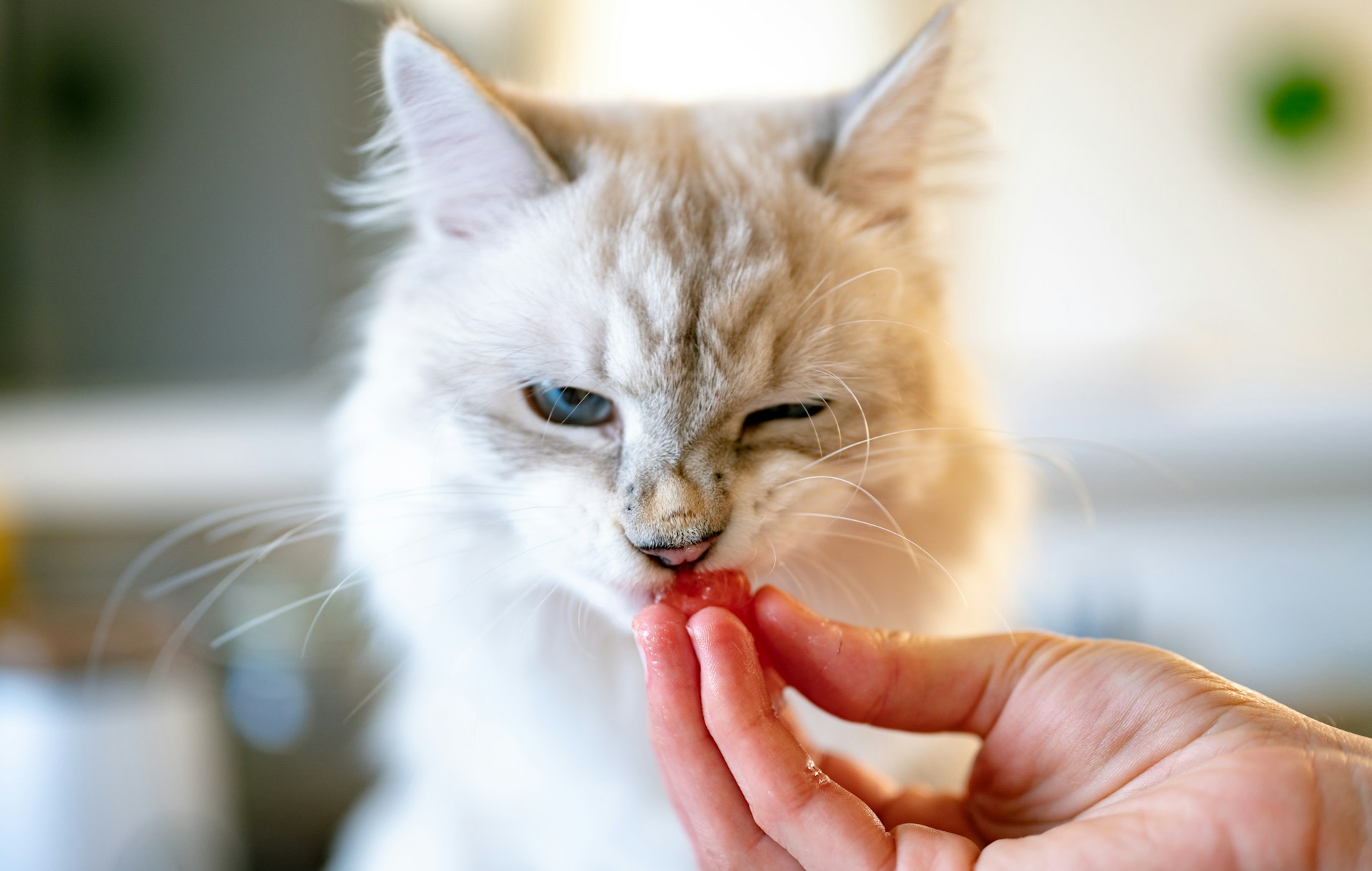
Vitamin C is safe for cats and dogs, but only in a water-soluble or buffered form. While we take regular vitamin C supplements or eat citrus fruits to prevent colds and flu, our pets cannot digest them. When they get sick, a buffered form of vitamin C is gentle on the stomach and better tolerated.
So why should you give vitamin C to your dog or cat? Well, it is a powerful antioxidant, reduces fatigue, and promotes healing. It reduces free radicals, which protects against cell damage. Damaged cells can lead to inflammation, cancer, and heart disease.
When Should You Supplement Your Pet’s Diet with Vitamin C?
Healthy pets don’t really need ascorbic acid in their diets because they produce vitamin C in their liver. But cats and dogs that have suffered a sudden health issue, such as injuries, illnesses, or physical stress, can certainly benefit from it. Pets diagnosed with cancer receive the powerful antioxidant for energy and strong immunity. Ascorbic acid also helps with conditions such as kennel cough, parvovirus, viral or skin infections, and post-surgery recovery.
For senior cats and dogs, vitamin C can slow the progression of degenerative diseases such as arthritis. It improves joint health by producing collagen, which supports mobility. After considering all of its benefits, vitamin C for pets simply makes sense!
How to Give Vitamin C to Pets to Maximize Its Benefits

You may be thinking, why should I supplement my pet’s diet when I can feed them fruits and vegetables? Well, you can definitely add blueberries, kale, or broccoli to your pet’s food as sources of vitamin C; however, they would have to consume a fair amount to receive the therapeutic benefits. Supplements guarantee the recommended mg based on their weight and condition, and provide better control over the doses. I don’t think that your dog or your cat (mostly your cat) would be too impressed by a daily portion of fruit and veggies in their meals!
Water-soluble or buffered vitamin C is available in powdered or capsule form. I recommend powdered products because they’re easier to mix with food. If you purchase the capsules, open each capsule to sprinkle the contents onto the food. This way, you won’t be forcing your pet to consume capsules and ensure that they consume all of the product.
Start with half the dose and always serve with food. Gradually increased to the higher dosage over a week or two. This not only helps dogs and cats adjust to the vitamin but also reduces the possibility of digestive upset. Monitor your pets for digestive problems such as loose stools and vomiting, and reduce the dosage if such symptoms occur.
The Risks of Giving Your Pet Too Much Vitamin C

If you give your canine or feline companion too much vitamin C, they will most likely develop diarrhea. Another complication of feeding too much ascorbic acid is bladder stones. Excess vitamin C causes the pH of urine to become acidic. This can lead to the formation of calcium oxalate stones and bladder obstruction.
My veterinarian suggested administering the supplement every second day. A slow introduction based on the recommended dose can reduce the risk of urine acidity, bladder stones, and stomach issues.
How Vitamin C Fights Cancer in Pets

Referring to Sasha’s case of mast cell cancer, my vet suggested intravenous vitamin C as a treatment. This meant delivering high doses of vitamin C and dissolved oxygen in an IV directly into her bloodstream. I was sceptical at first, and the cost of this IV treatment wasn’t exactly cheap, but I moved forward with a few sessions.
Before treatment, Sasha had several lumps removed from the sides of her body. After about a month, her hair that was shaved in these areas didn’t grow back. The vet explained that her body was using most of its resources to ward off cancer rather than regrow the missing hair.
Sadly, cancer takes a tremendous toll on the body. It uses every ounce of energy to fight the cancer cells. While vitamin C cannot cure your pet’s cancer, it does support and strengthen the immune system. The supplement increases the number of white blood cells and their activity. Studies have shown that a strong immune system can target and destroy cancer cells. And when combined with nutritious food, rest, and additional supplements, such as salmon oil and coenzymes, it creates a powerful impact.
The Effects of IV Vitamin C for Pets
Sasha received a few sessions of IV vitamin C therapy before it became too expensive, and because of her ailing joints, she was unable to travel to the vet. So did the IV ascorbic acid ultimately make a difference? After each session, I noticed that she had more energy, her appetite had picked up, and her mood seemed to improve.
I moved on to giving Sasha 1000 mg water-soluble vitamin C capsules. I would empty the powder inside the capsule onto her food. She did very well on the 1000 mg supplement. I should also add that at this stage her cancer was already quite advanced, so I cannot determine whether it slowed the progression of the cancer. It did improve her energy and mood, but she did best when it was provided intravenously.
In addition to Sasha receiving the capsules, my second girl, Blueberry, also received buffered ascorbic acid in powder form. Blueberry was a very large and very sweet Boerboel that fought hemangiosarcoma at 6 years old.
What Research Says About IV Vitamin C and Cancer
Research on IV vitamin C and cancer in humans has shown how intravenous ascorbic acid prevents the progression of cancer cells and minimizes tumor growth. It relieves symptoms of nausea and fatigue associated with chemotherapy. This versatile vitamin will safeguard healthy cells against damage caused by toxins released by cancer.
Studies involving IV vitamin C and cancer in dogs have shown that high doses of ascorbate reduce the survival of cancer cells. The high IV doses are safely administered to pets for different types of cancer, including osteosarcoma and mast cell cancer.
Can Pets Receive Vitamin C for Conditions Other Than Cancer?

Yes, dogs can be given ascorbic acid if they have infections such as kennel cough, parvovirus, and skin infections. Both dogs and cats suffering from chronic allergies can benefit from vitamin C by building their immune systems. Whether a bacterial or viral infection, including skin allergies, they should receive ascorbic acid. As previously mentioned, pets struggling with arthritic joints can benefit from the antioxidant.
Vitamin C Dosage for Pets

Only provide vitamin C twice or three times per week with food.
The body simply won’t utilize the excess vitamin C if you give your pet a daily dose of the supplement, which is a complete waste of money!
The following guidelines provide a general dosage of vitamin C for pets:
Puppies and Small Dogs: 200-250 mg ascorbic acid.
Medium Dogs: 400-500 mg ascorbic acid.
Large Dogs: 750 mg ascorbic acid.
Cats: 150 mg-300 mg ascorbic acid.
For older dogs and those battling cancer, higher doses of vitamin C are necessary to strengthen the immune system, combat cell damage, and provide ailing pets with the energy they need. Up to 1000 mg of water-soluble vitamin C for every 50 lbs of body mass is suitable.
The above dosages serve as a guideline based on body weight and the healthcare needs of pets. It is best to introduce new supplements gradually to determine whether your cat or dog can tolerate the new vitamin. Always discuss the introduction of supplements with a trusted veterinarian.
Don’t Underestimate the Benefits of Vitamin C for Pets
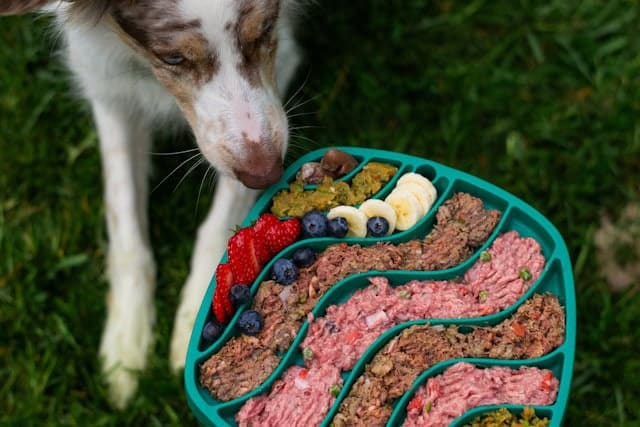
Vitamin C is a powerful antioxidant that actively supports the health of pets by protecting cells from damage. Whether your cat or dog is fighting an infection or needs an alternative therapy to target cancer, ascorbic acid is a safe way to strengthen their immune systems. When provided with the dog cancer diet and conventional medicine prescribed by your veterinarian, it can make them feel more energetic and happier.
If you are looking for natural support for your dog or cat, ascorbic acid is the way to go. It can be given in combination with chemotherapy for pets or as a supplementary aid. So, whether your beloved pet has allergies or is taking on the big “C,” I highly recommend water-soluble/buffered or IV vitamin C therapy.
This post reflects my personal experience with my pets. I am not a vet, so please don’t treat this as medical advice. Every pet is different—always check with your veterinarian before making changes to your pet’s health routine.
Proudly powered by WordPress
Leave a Reply