It was just yesterday when your fur baby was running and jumping with ease, and then seemingly overnight, you noticed a change in their mobility. They’re stiff in the morning, struggle to rise, or can no longer make it up the stairs.
Arthritis in older dogs and cats is a common problem. Like people, arthritic symptoms cause tiredness, aching joints, and an inability to walk for long periods. Pets often lick or chew at the site of pain, and in some cases, develop swollen and inflamed joints. Arthritis in pets is one of the most common conditions affecting their mobility and longevity. Shockingly, one out of five dogs is diagnosed with osteoarthritis by the age of seven, and 90% of cats are affected by arthritis by the age of 10.
Unfortunately, treating arthritis in your fur baby is not as simple as changing their food or giving them a pill. It requires a comprehensive plan to protect the joints from further degeneration, ease pain, and help with long-term mobility.
When my dog Sasha developed severe arthritis in her hips, she would scoot her bottom across the floor to lift herself, and she experienced severe stiffness after short walks. I noticed the change in her mobility at eight years old. I did all the research I could and spoke to my veterinarian, which is how we created a comprehensive plan for pain relief. This is where I want to share my findings and plans with you, so that you can improve your pet’s aches and give them a better quality of life.
In this article, I list some of the most common pain management solutions for pets with arthritis. This includes the pros and cons of pain medication, such as Petcam and Librela, along with the most effective supplements and exercise routines for dogs and cats. Furthermore, I share my personal experiences and essential tips so you know how to alleviate your fur baby’s painful symptoms.
Signs of Arthritis in Pets
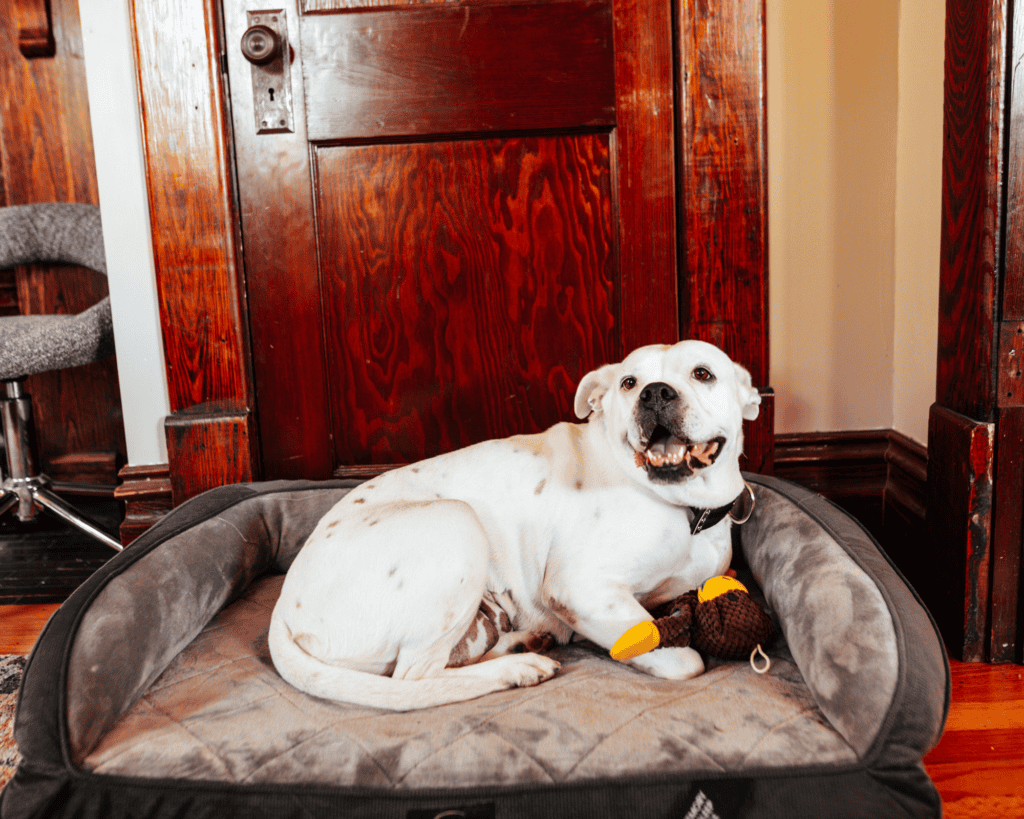
Pets with arthritis spend more time sleeping or resting, may limp or struggle to rise, and have visible joint swelling. Other signs of arthritis in pets include:
- Lameness
- Stiff movement
- Reluctance to climb stairs, go for walks, or get into the car
- Difficulty sitting or rising after lying down
- Changes in appetite
- Weight gain
- Changes in behavior (suddenly urinating in the house)
- Excessive licking of the leg or paw
- Less running, jumping, and playing
- Whining or crying when moving
If you notice these changes in your fur companion, a veterinary exam can confirm the diagnosis of arthritis. A veterinarian can also rule out injuries or cancer.
Common Prescription Medications for Arthritis in Pets

A long-term management plan is required for arthritis because it is a lifelong disease. Anti-inflammatories and cortisone are common treatments for arthritis in pets that I discuss in more detail below:
Librela
Benefits
I only recently discovered Librela as a treatment for dogs with really painful arthritis. It consists of a monoclonal antibody that blocks pain signals. Interestingly, monoclonal antibodies for dogs also alleviate allergy-related itchiness and fight infections. Many dog owners claim that Librela significantly improved their fur baby’s discomfort and mobility, but it is not without considerable side effects.
Limitations
It is on the costlier side of treatment, with monthly shots reaching up to $300. Librela’s side effects include neurological problems, such as seizures, muscle weakness, incontinence, and poor appetite.
While research on the long-term effects of Librela is ongoing, a concerning side effect has emerged. Dogs receiving this treatment are at high risk of musculoskeletal neoplasia. This condition involves cancerous growths or tumors in the bones and tissues.
Sadly, a 2025 study found that Librela may be linked to accelerated joint damage, including a high risk of fractures in dogs receiving treatment. In fact, there were public calls for the ban of Librela in 2025 based on the cases of 19 dogs that suffered from tendon damage, fractures, and joint infections.
Many vets stand by Librela’s safety, but I suggest that you learn the risks of this medication before moving forward. Consider your dog’s age, pain levels, and mobility issues, and read about others’ experiences with the drug.
Solensia (frunevetmab) for Cats
Benefits
Cats cannot be given Librela, but they can receive an equivalent known as Solensia. Much like Librela, it is a monoclonal antibody treatment that works on your pet’s Nerve Growth Factor (NGF) to ease pain.
Limitations
The side effects associated with this medication include pain at the injection site and vomiting in felines.
Rimadyl
Benefits
Rimadyl is one of the most popular pain medications for dogs with osteoarthritis. It belongs to the NSAID or non-steroidal anti-inflammatory class of drugs, and works by reducing inflammation and pain. As cats are more sensitive to NSAIDs, you cannot give Rimadyl to them for pain.
Rimadyl is available in a chewable tablet, making it easy to administer. My dog, Sasha, was placed on Rimadyl, and what I can say is that it acts so quickly to alleviate pain. This may not be true for all dogs, but my Boerboel X (she was a heavy girl) wasn’t as stiff and had more flexibility.
Limitations
The NSAID is an effective choice for pain management in dogs, but it is not without limitations. Rimadyl’s side effects include GI problems, including diarrhea and stomach ulcers. As a pet parent, you must consider Rimadyl’s effect on your pet’s liver. Prolonged use requires monitoring for changes in appetite and behavior, frequent urination, and black tarry stools. If you notice these changes while giving your dog Rimadyl, consult with a veterinarian immediately.
Petcam (Meloxicam)
Benefits
Petcam is a pain-relief medication that is often prescribed to manage the symptoms of osteoarthritis and rheumatoid arthritis in pets. The oral suspension is easily administered with a syringe and given after a meal. I’ve relied on PetCam for the last few years as my pain relief aid for my dogs. I gave it to Ice, Blueberry, when she was diagnosed with hemangiosarcoma, and my current fur babies, Roxy-Mae and Ragnar, after an injury or surgery. It definitely helps with inflammation and discomfort, and they generally fall asleep after the medication.
Can You Give Petcam to Cats?
Petcam is the generic of Meloxicam, a pain-alleviating medication for cats, but always consult with your veterinarian about the safest pain relievers for felines because they are more sensitive to anti-inflammatory medications than dogs.
Petcam can ease pain and inflammation and is easier on the liver and kidneys of dogs compared to Rimadyl when taken long-term; however, it is not without side effects.
Limitations
Always stick to the recommended dosage and keep an eye on pets that are on Petcam for the long-term. High doses of Petcam can cause stomach ulcers, GI problems, and even kidney failure, so work with your vet for the safe and effective treatment of arthritis.
Cortisone (Steroid)
Benefits
Both people and pets rely on cortisone or steroids to treat arthritis. It is a potent anti-inflammatory that offers rapid pain relief, particularly when injected into the affected joint.
Limitations
Cortisone is a great short-term therapy, but its side effects include weight gain, difficulty sleeping, and immunosuppression.
Natural Solutions for Arthritis in Dogs and Cats
Diet
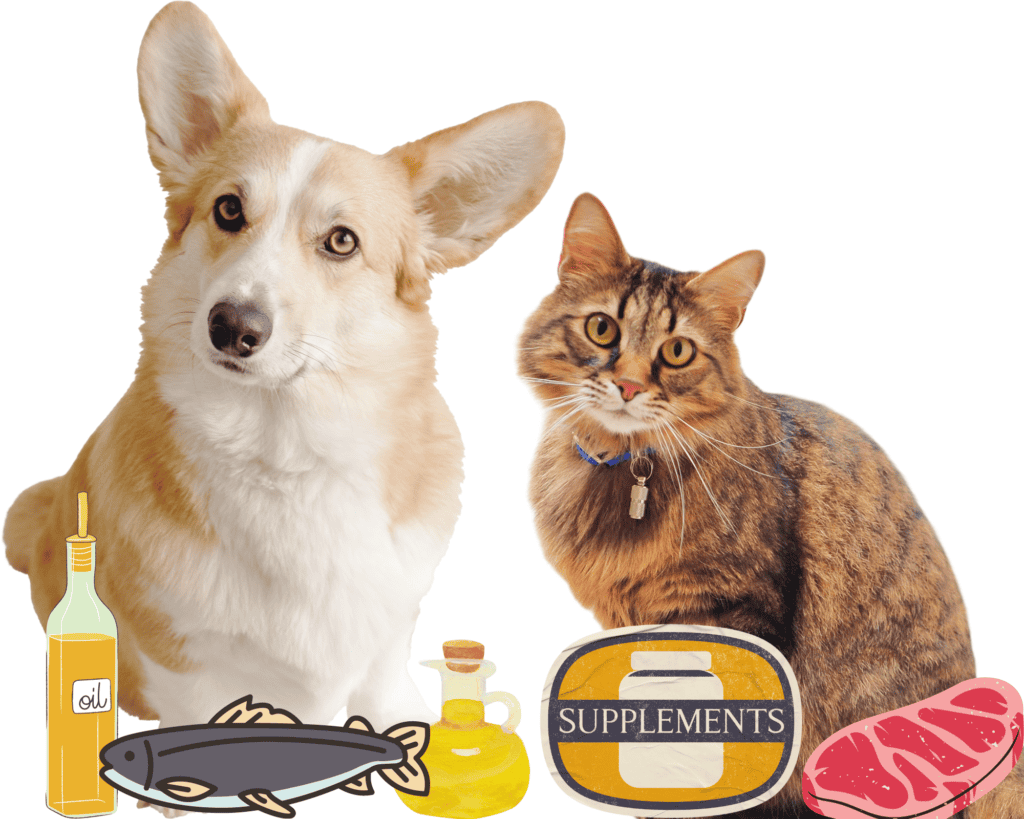
A healthy diet rich in vitamins and minerals is always beneficial for your pet’s joint health and mobility. I wouldn’t say that diet is a treatment for arthritis in pets, but supplements can lubricate the joints, protect cartilage, and improve muscle condition.
Fish oil containing omega-3 and omega-6 is excellent for joint protection. I gave Sasha a supplement called Mobiflex, with essential ingredients glucosamine and chondroitin. These minerals can rebuild and protect cartilage while decreasing pain and stiffness.
It can take up to six weeks to see mobility improvements, so it’s not a quick fix. Dogs weighing more than 40kg need around 1500 mg of glucosamine per day. Several dog food brands contain glucosamine and chondroitin, but always check the guaranteed analysis section on the label. Look at the mg per kg and determine whether it meets your dog’s daily intake requirements. Many claim to provide joint support, but the amount of glucosamine and chondroitin is nowhere near what your pet needs to protect their joints.
Exercise

Fit pets with good muscle tone and healthy weights cope far better with changes in their joints as they mature. Strong muscles support ailing knees and hips. If your senior dog can’t enjoy long walks, think of hydrotherapy. Hydrotherapy is excellent for muscle strength and flexibility in senior pets because it doesn’t strain the joints. While pet rehabilitation centers offer this activity, you can have a small pool in your yard that your dog can walk through. In winter, warm water is required to ease joint pain and stimulate circulation.
Pets with arthritis can definitely benefit from short walks, but if they are reluctant to walk, don’t force them. They could be in a lot of pain, and if they can only spend their days relaxing without much play or walks, it’s best to keep them comfortable.
Lastly, keep their weight in check! That potbelly can place some serious strain on little or big joints. Cats and dogs shouldn’t be overweight, and if they can’t exercise to get their weight under control, discuss a metabolic diet or obesity management with your veterinarian.
Full-Spectrum CBD to Relieve Painful Arthritis in Pets

Some swear by CBD oil for pets while others remain skeptical, but my motto is, “It never hurts to try.” There are many claims about cannabidiol, and while I can’t give you veterinary advice, I can share my personal experience with CBD over the last eight to 10 years.
You’ll find several types of CBD oils for pets with arthritis in mainstream pet stores, but remember that these products are usually mild. If a 2% CBD oil works to alleviate your cat or dog’s pain, that’s great; however, most pets benefit from a full-spectrum CBD oil containing moderate amounts of THC (tetrahydrocannabinol). You can learn all about the safety, benefits, and dosages of full-spectrum CBD oil for pets here.
THC offers relaxation, pain relief, and reduces inflammation. CBD alone offers some joint support and relief from inflammation, but for animals with advanced osteoarthritis struggling with stiffness, only full-spectrum oil can improve their quality of life.
I understand that you may be a little bit nervous about giving your dog or cat THC, which is psychoactive. However, the combination of THC and CBD changes the pain perception, making it more bearable. As THC binds to the cannabinoid receptors, it modulates the senses while regulating pain. For pets in severe pain, THC is a natural analgesic, and CBD is anti-inflammatory. It doesn’t include the side effects of conventional pain medication.
My very own 12-year-old dogs received full-spectrum oil to help with their pain and poor sleeping patterns. I can honestly tell you that their recovery from stiffness and lameness after a short walk was also faster. I used CBD & THC oil in combination with fish oil.
Keep Arthritic Pets Warm in Winter

Another important tip is to keep them warm in winter. Sore and stiff joints become more painful in the cold, and many older dogs and cats seldom make it through winter. Either bring them inside (if dogs usually sleep outdoors) or provide a very well-insulated and enclosed area to provide warmth on cold days and nights. Avoid overly soft dog beds, and instead, add a supportive memory foam to support aching joints.
Choose the Best Arthritis Treatment for Your Pet

CBD can’t cure arthritis, but it’s definitely a long-term natural option for cats and dogs that are already in pain. Invest in full-spectrum oil, as it provides greater pain relief compared to regular CBD. Treatment also includes anti-inflammatory medication prescribed by your veterinarian. Remember that your pet’s arthritis treatment should always focus on pain relief and quality of life.
I found that my old girl, Sasha, experienced the greatest pain relief when I balanced prescription medication with supplements, including fish oil and full-spectrum oil. And even if you have a real golden oldie, include supplements like fish oil in their diet. Just remember that supplements alone won’t reverse joint damage or reduce pain. Your fur baby still requires pain medication, depending on the severity of pain, stiffness, and swelling.
If you have any questions or a story to share about your pet’s journey with arthritis, please feel free to comment!
Leave a Reply