
I don’t know if you can relate, but I’ve experienced absolute misery with back pain or a stiff leg getting out of bed in the morning. Sometimes you toss and turn because your bed feels so uncomfortable. To get to the point, this is what your arthritic pet experiences when they sleep on the wrong type of bed.
Arthritis in dogs and cats causes inflammation, swelling, and painful joints. A bed that is too soft or too hard places additional stress on the affected joints, leaving your pet stiff and sore. So, does your pet really need a special bed if they’re arthritic? Yes, they do. A little bit of support and warmth can make all the difference, especially for our fur friends that suffer from stiffness.
Let’s look at the best types of arthritis beds for pets, their pros and cons, and which one offers the greatest support for your fur baby.
Why Choose Firm Over Plush Arthritis Pet Beds

When I think about sore, stiff joints, I want the softest, plushest bed that my dog can absolutely snuggle into. And while this sounds ideal, it’s not the right choice for pets with severe arthritis. Beds that lack firmness won’t distribute your pet’s weight evenly. This ultimately places more stress on the affected joints, leading to more pain.
We can help alleviate our pets’ aches with medication and supplements, such as full-spectrum CBD, but ensuring they have proper joint support offers additional relief and protection.
Sasha and Ice’s Arthritis Pet Bed Story

Firmer beds make it easier for older cats and dogs to rise after lying down. My girl, Sasha, had very bad hips by the age of 10. She would scoot and wiggle before lifting herself, and it was much worse after resting. I noticed that she would put more effort into rising on a softer bed, which affected her mobility.
I eventually replaced her bed with a firmer cushion. It wasn’t memory foam, which is usually recommended for people and animals with sore joints, but it made getting up much easier. Once Sasha’s hind leg swelled because of mast cell cancer, she could no longer climb onto the bed or even the slightest stairs. Investing in a supportive bed was not only beneficial for her arthritis but also for her painful and swollen leg.
In Ice’s case, he developed arthritis in his hind legs and often woke up with a stiff neck. He’d limp in the morning and after resting during the day, which meant that he needed a supportive bed. A rectangular memory foam bed was purchased for ice, which perfectly aligned every part of his body. I will say that it helped Ice. It didn’t eliminate his limp or pain, but he wasn’t as stiff after sleeping on it.
The Pros and Cons of Memory Foam for Pets with Arthritis

You may have heard that memory foam is the top choice of material for aching joints and soft tissue injuries. It is rather expensive, but it’s recommended for arthritic pets because it provides immense physical support throughout the body. Let’s look at the pros and cons of memory foam for cats and dogs with arthritis:
The Pros
Contours Body Shape
By conforming to the shape of the body, a memory foam pet bed will evenly distribute your fur baby’s weight. Ordinary beds with uneven distribution cause joint stress. This means less pain and stiffness when getting up in the morning.
The Cons
Retains Body Heat
Because memory foam retains body heat, pets may get too hot on this material. Regular memory foam may increase inflammation throughout the night.
Restricts Movement
If the foam lacks firmness, pets will find it difficult to move on the bed. You want a medium-to-firm density to give them enough support to stand and turn without extra pressure on the joints.
How to Pick the Right Type of Memory Foam

You want high-density memory foam for pets with painful joints because it contours to their bodies, maximizing support. Heavier dogs, including medium to large breeds, require at least 5 inches of foam to prevent their bones from touching the hard floor.
The foam should include cooling features, such as gel infusion, to regulate your pet’s temperature. If your dog or cat suffers from skin allergies or reacts to dust and dirt, then hypoallergenic memory foam can reduce their exposure to such irritants.
What is an Orthopedic Pet Bed?

Orthopedic beds or mattresses for pets have firm surfaces to align the body and cradle aching and sensitive joints. The firmness makes it easier for heavier dogs to move around without causing physical stress or strain.
The Difference Between Memory Foam and Orthopedic Pet Beds
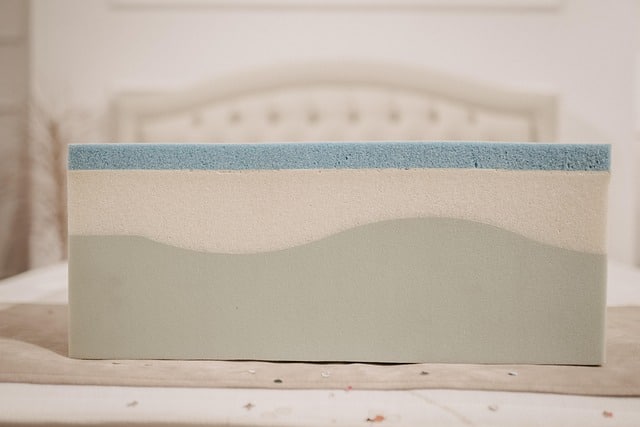
Memory foam cushions the body, whereas orthopedic beds provide firmness to keep the spine aligned while supporting the joints. Most orthopedic dog beds are made from dense memory foam. On an orthopedic bed, your pet won’t sink into the material. It’s best to avoid very hard textures that create pressure points on arthritic joints.
An orthopedic bed is great for pets who struggle to rise after resting on softer foam. However, cats and dogs that are very sore and stiff can benefit from the cradling effect of medium-firm memory foam.
A Bed For Blueberry After CCL Surgery

When Blueberry had cruciate ligament surgery, an orthopedic bed was recommended to stabilize her repaired joint while helping her rise with ease. But honestly, the cost of an orthopedic pet bed for Berry was out of the question. Instead, I purchased a large, rectangular bed with a firm texture. It provided just enough support while allowing her to lift herself without sinking into the foam. The downside is the lack of durability. Wear and tear, along with Blueberry’s weight, quickly flattened the foam, so if you can afford it, invest in a good-quality orthopedic mattress or bed for your injured pet.
Orthopedic beds for pets with injuries are beneficial because they maintain muscle support and joint alignment.
I’ve also come across dual-layer and veterinary-approved pet beds that give you the best of both worlds. These types of beds combine the joint-alignment technology of orthopedic mattresses with the cushioning of memory foam.
Memory Foam and Orthopedic Pet Bed Alternatives
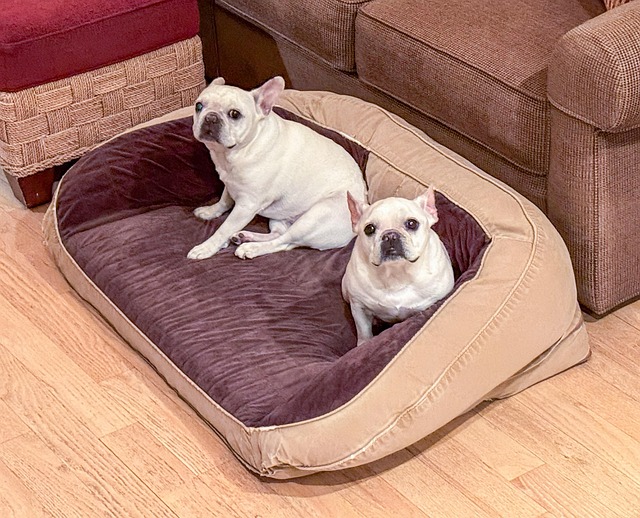
If you can’t afford a supersized memory foam or an orthopedic pet bed, some alternatives can still give your dog a fair amount of support.
Look for beds that are firm but not hard. It should have a high-quality foam rather than a poofy or fluffy material. Shredded latex is an inexpensive alternative to memory foam that also molds to body shape. The bonus is that shredded latex is breathable and less likely to make pets overheat.
Some suggest sofa-style beds with a low profile, allowing pets to climb onto their beds without stretching or straining their joints. I purchased a bed that was large enough to accommodate my dog’s size without edging. This allowed Sasha, Ice, and Blueberry to stretch without their limbs hanging off the edges and causing misalignment.
Beds for pets with arthritis must have a non-slip base. You don’t want the bed to slide as they climb onto it, as it will cause pain and increase the risk of injury. The bed should also be easy to clean and include a removable cover.
My Advice
Undoubtedly, orthopedic or vet-approved pet beds for arthritis are the cream of the crop. But if you can’t afford it, there are products available that will still provide a fair amount of joint support without the hefty price tag. Ultimately, you want your fur baby to be comfortable. My best advice is to look for the features I’ve mentioned in this guide and to read arthritis pet bed reviews. First-hand experience from pet parents provides insight into the product’s support, overall quality, and durability. Good luck finding the best possible bed to reduce your fur baby’s pain. Don’t forget to keep them warm in winter and introduce supplements to improve their joint flexibility.
Proudly powered by WordPress
This post reflects my personal experience with my pets. I am not a vet, so please don’t treat this as medical advice. Every pet is different—always check with your veterinarian before making changes to your pet’s health routine.
Leave a Reply