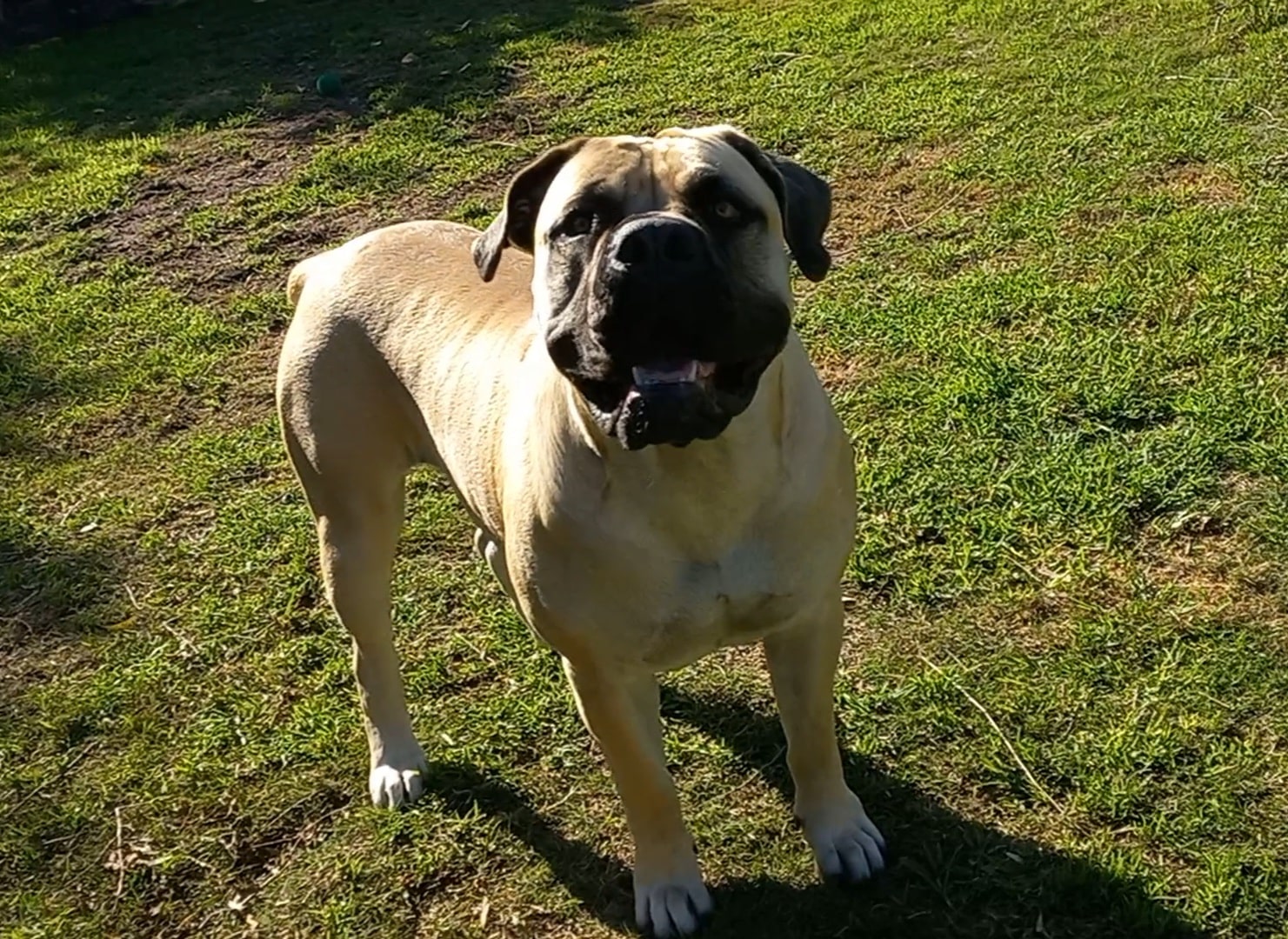
All three of my Boerboels have had skin problems, from hair loss to constant itchiness. The worst part has been the unsightly spots and bald patches these irritations have left behind. I know of several dog owners who have struggled to get their pet’s hair to regrow after surgery, allergic reactions, or ruptured cysts. Recently, my Boerboel, Roxy-Mae, developed three keratin cysts on her body, two on her hip and one on her hind leg. After six months, these three spots simply wouldn’t go away, and they didn’t look good.
So if your dog is dealing with issues such as bald patches or hairless spots, discover the remedies I used to restore the fullness of my dog’s coat without expensive shampoos.
Salmon Oil and Coconut Oil
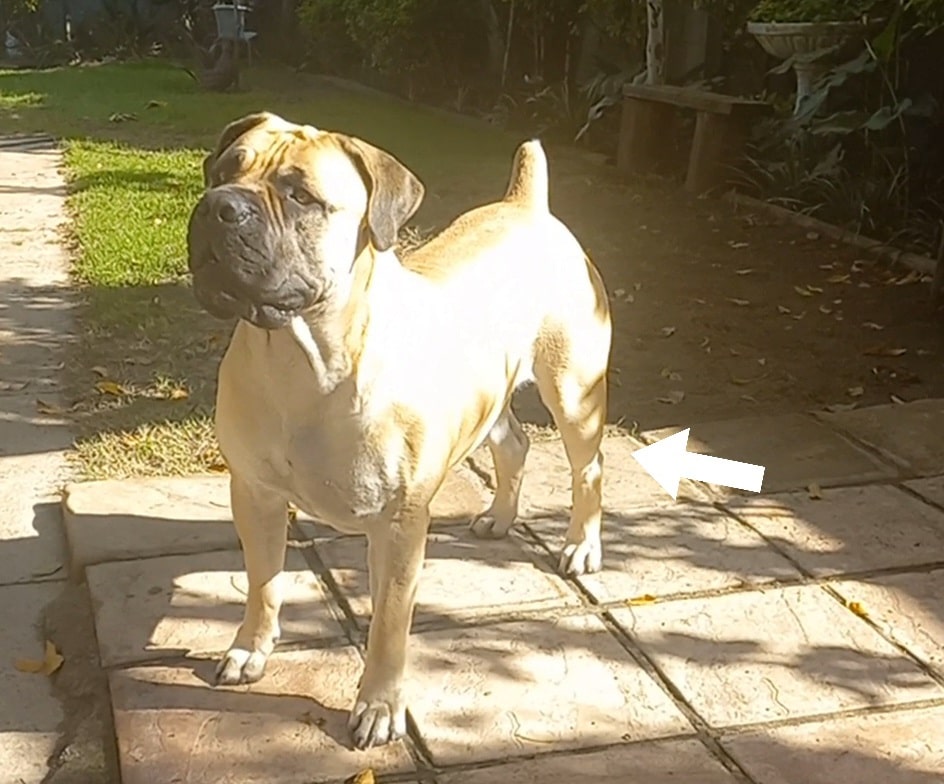
When my girl, Roxy-Mae, developed three bumps on her rump and back leg, I honestly felt a sense of dread. At only a year old, I refused to believe that these lumps were cancerous. Fortunately, a skin scrape tested by our vet revealed non-cancerous or benign keratin cysts. I didn’t proceed with surgery, and eventually these cysts burst, leaving horrible hairless spots behind. I thought the hair would grow back quickly, but five months later, she still had 3 dark spots. Needless to say, it ruined those IG shots!
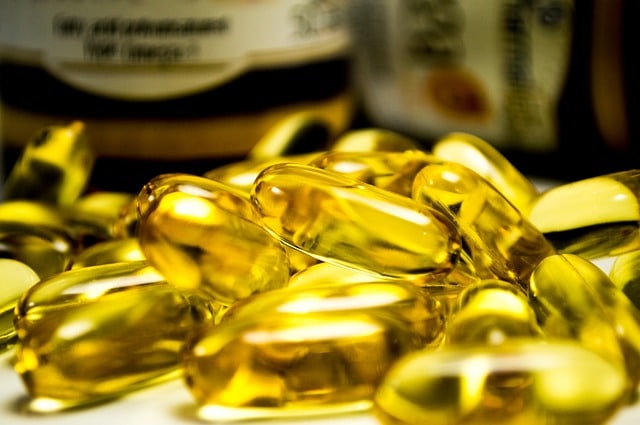
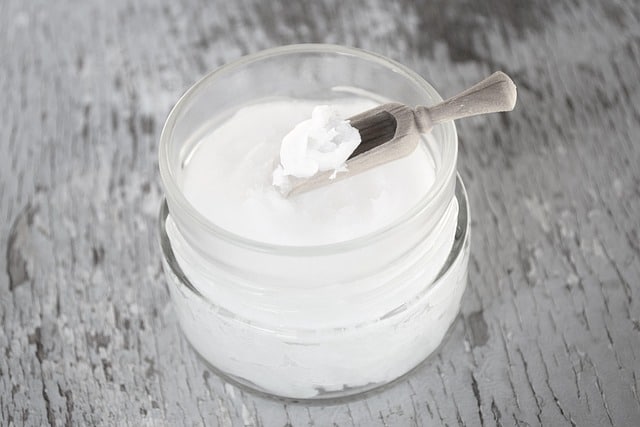
Rather than rush to the vet, I decided to incorporate salmon oil and coconut oil into Roxy-Mae’s diet. I also used coconut oil topically to moisturize her skin and nourish the follicles.
How Salmon Oil Helped
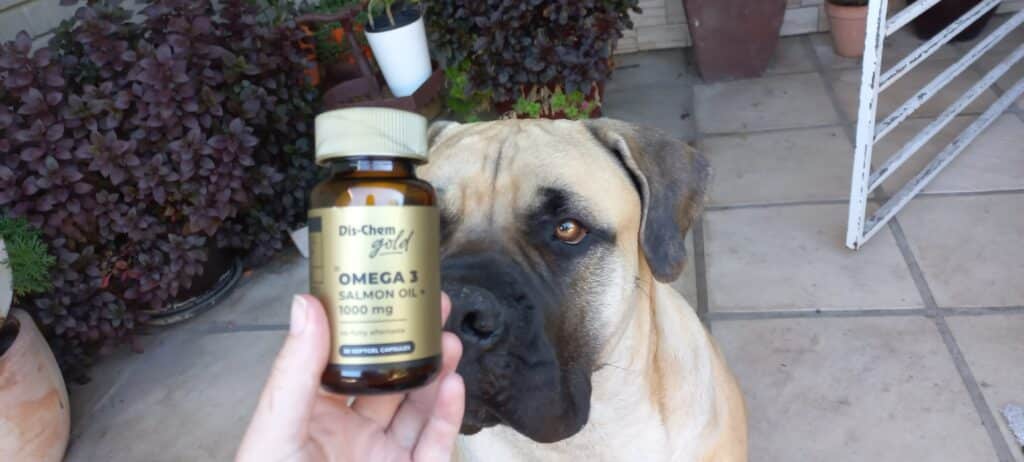
I decided on the natural route, incorporating supplements to help her hair grow back. This is where salmon oil and coconut oil came in. You don’t have to use salmon oil, but fish oil. I chose salmon oil because I buy it in capsule form, making it easier to administer. I release one capsule onto Roxy-Mae’s food daily. Salmon oil, or fish oil, is excellent for skin conditions in dogs. Thanks to omega-3 (EPA and DHA), fish oil is anti-inflammatory and helps restore moisture to skin that has become very dry and irritated. This reduces constant itching, preventing your dog from scratching and damaging hair growth. Fish oil also feeds hair follicles with nutrients and protein, strengthening the new fur.
And, as a bonus, fish oil helps dogs with arthritis. It lubricates the joints, protecting against further cartilage damage, and supports mobility.
The Alternative to Fish Oil Capsules
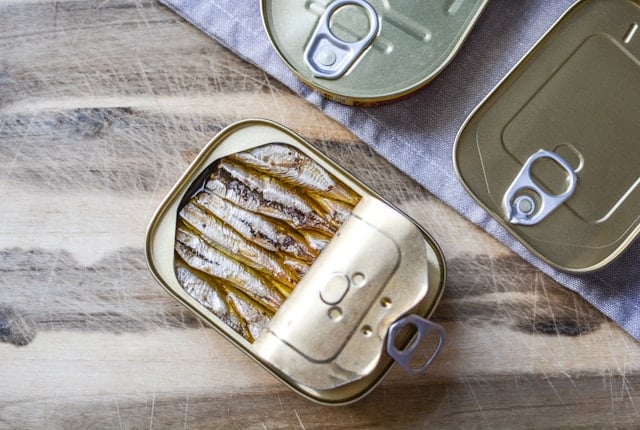
If the thought of feeding your dog fish oil capsules isn’t appealing, you can prepare actual fatty fish for them. Excellent sources of fatty or oily fish include mackerel and sardines. But you must follow strict preparation before serving this type of fishy meal to your canine companion.
The first step is sourcing canned fatty fish in water, not oil. It should always be cooked to destroy any parasites and bacteria. You’ll also need to remove all the bones. Even the finest fish bones can splinter, and sharp points pierce your dog’s mouth, throat, or gut, so always ensure that these needle-like bones are absent when serving oily fish.
Coconut Oil for Your Dog’s Patchy Hair and Skin
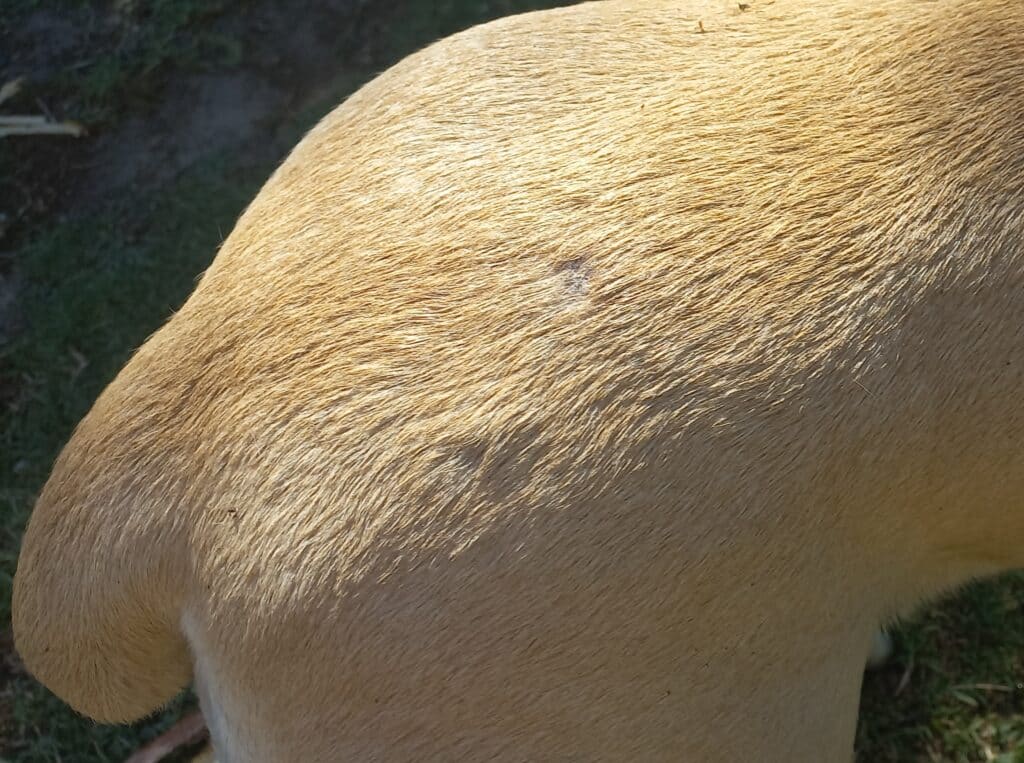
Before
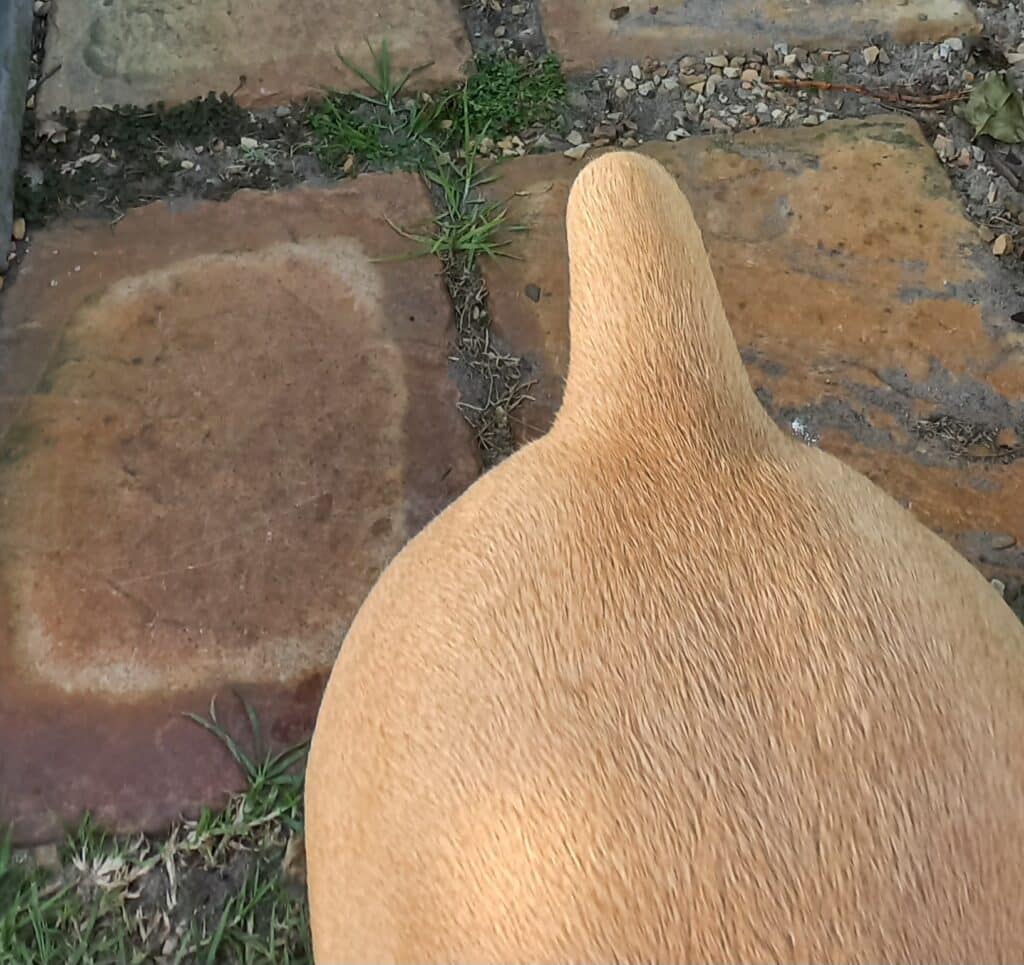
After
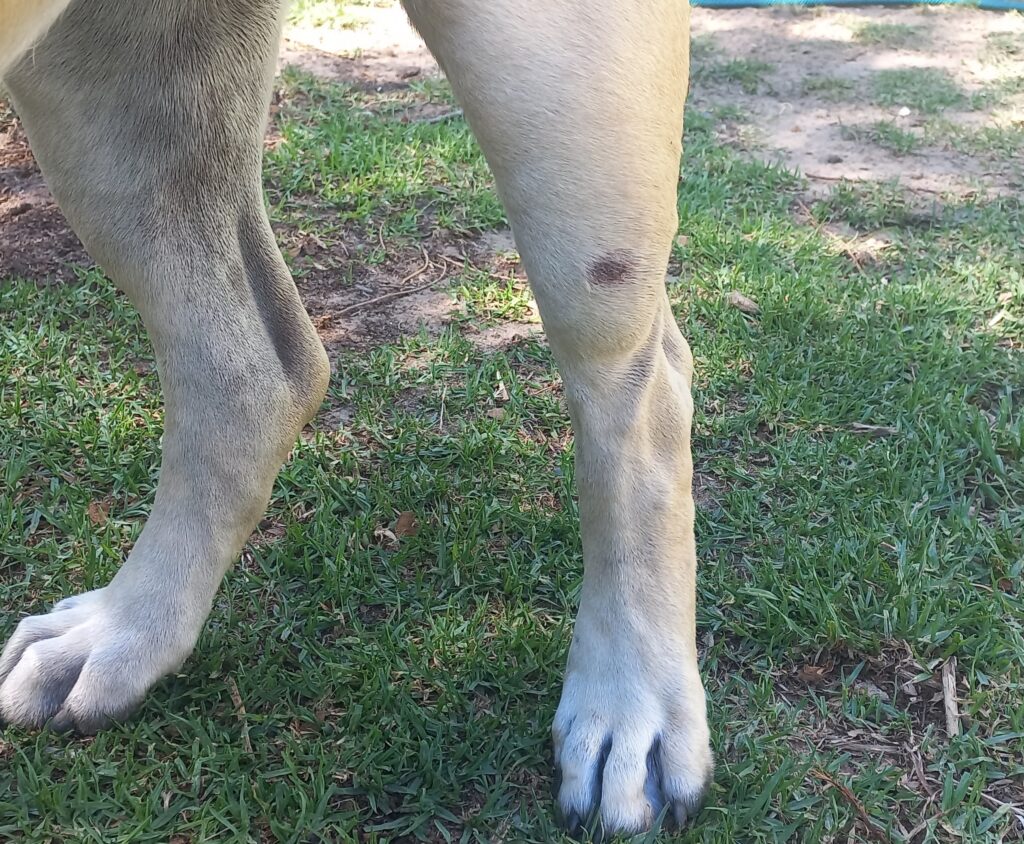
Before
After
As part of Roxy-Mae’s skincare routine, she gets one dessert spoon of coconut oil every other day. You can learn more about the coconut oil doses for pets here. I chose coconut oil because it contains lauric acid, an excellent skin moisturizer. This fatty acid reduces inflammation to soothe dryness and irritation, and it’s antimicrobial, protecting against bacteria. Another benefit of coconut oil is its cell-regenerating properties, which actually aid in wound healing. Lauric acid supports collagen production, helping keep the skin smooth and supple.
Coconut oil is also best for hair growth in dogs because it minimizes breakage by nourishing and smoothing the cuticles. I find that massaging the oil into the skin is a great way to add moisture externally and stimulate blood circulation, delivering nutrients to the follicles.
Brush Your Dog’s Coat Daily
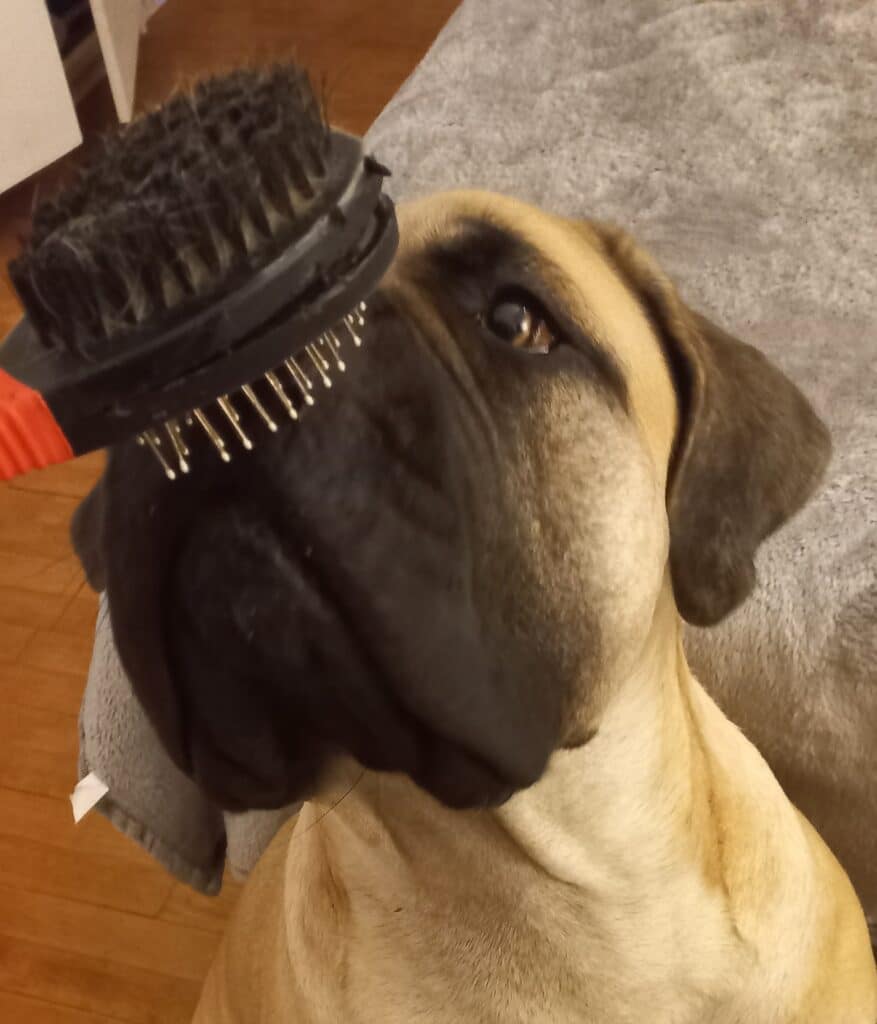
It might seem like an unnecessary chore, but in my experience, regular brushing really helps with all types of dog hair regrowth. Gentle brushing removes flakiness and spreads your dog’s natural oils across their skin, acting as a moisturizer and barrier. And even if your fur baby has a very short coat, brush their hair at least every other day to encourage new growth.
I would add a small amount of coconut oil to my hands and apply it to my dog’s coat. Then, using the brush, I’d comb the oil through the hair and onto the skin. Just don’t add too much oil, or your dog will attract every bit of sand and dirt, which means an emergency bath!
See Your Vet if the Patches Become Worse

When you notice that the patches are growing in size or the skin is inflamed and itchy, it’s time to see your vet. Some dogs develop large red or wet patches that can become infected and spread across their bodies. The skin conditions that affect dogs include bacterial, fungal, and parasitic infections, such as ringworm.
After my Boerboel, Blueberry, received chemotherapy for HSA, she broke out in a horrible skin infection, which caused hair loss in small patches. It’s always best to discuss your dog’s symptoms with a professional who will provide the best course of treatment.
The Verdict
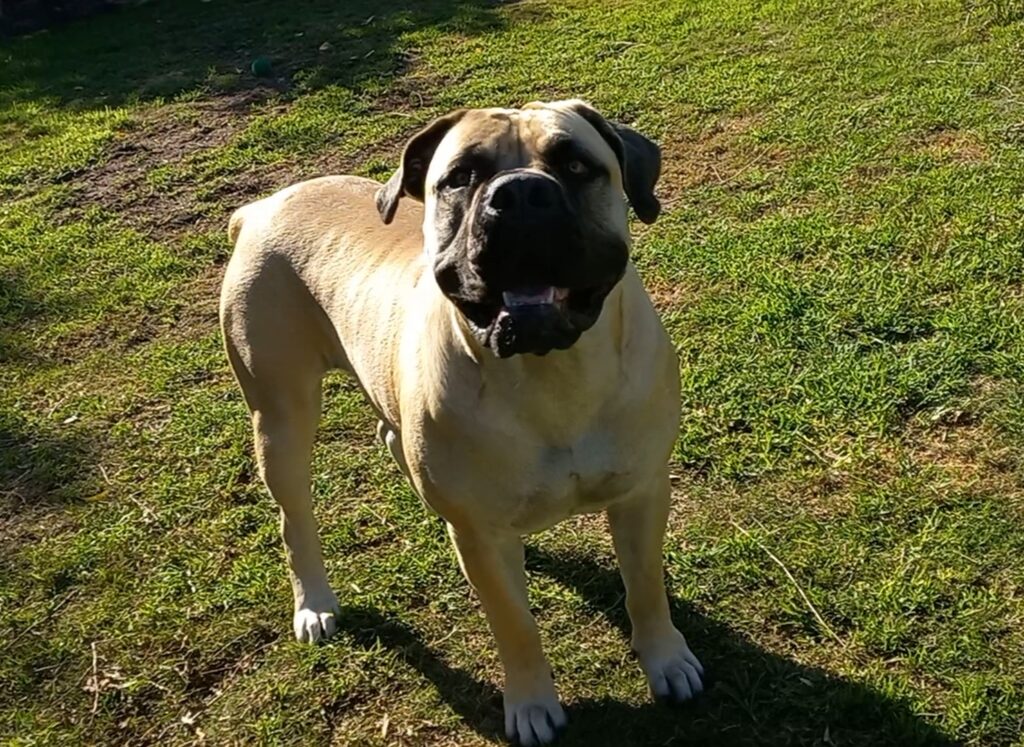
After six months of salmon and coconut oil, Roxy’s hair finally grew over the two spots on her hip and the patch on her leg. While one spot still needs to be filled out, there’s definitely an improvement in her coat and skin.
If you notice persistent hairless patches, it could be food-related. Many dogs are allergic to chicken in their kibble, so be sure to assess what they’re eating. Be sure to place them on a balanced diet. Their dog food should have skin-supporting ingredients like omega-3 and 6 fatty acids.
And lastly, if you notice more bald spots, spreading patches, and terribly itchy skin, it’s important to speak to your vet. They can check for allergies or infections that will become worse without a treatment plan.
I know how frustrating it is to deal with spotty coats and itchy dogs! Not only is it unpleasant for your fur baby, but I’ve experienced a bit of a judging eye when out in public, as if I don’t take care of my dog. You should know that skin allergies and irritations are becoming more prevalent across all breed sizes, and I have a sneaking suspicion it could have something to do with our dogs’ food.
Leave a Reply