There’s been a growing debate around the use of ivermectin and fenbendazole when it comes to cancer in pets. Because products like ivermectin are not standard cancer treatments, your veterinarian isn’t likely to recommend them. However, one can’t deny the recent claims of recovery from certain types of cancers using these antiparasitic drugs.
Ironically, I came across an episode of the Joe Rogan podcast where Mel Gibson spoke about ivermectin and cancer. He discussed the experiences of 3 friends who had stage 4 cancer and went into remission after using ivermectin and fenbendazole. Now, Mel Gibson’s testimony isn’t the only account of people who’ve overcome cancer while on ivermectin. Joe Tippens is another case. His use of fenbendazole, a strict vitamin regimen, and CBD oil may have led to his remission from small-cell lung cancer. But I must mention that Joe was part of a clinical trial for a new anticancer medication and worked with a veterinarian to administer fenbendazole. This makes the Joe Tippens case anecdotal at best.
What Does this Mean for Pet Cancer?

So why am I talking about people with cancer and antiparasitics when you’re here to find solutions for your beloved pet? Well, research on ivermectin, fenbendazole, and cancer is currently very limited. It’s a bit of a gray area because most studies conducted in a lab don’t involve dogs, cats, or even people. We can only consider existing preclinical trials and individual testimonies when it comes to side effects, possible successes, and dosages.
I understand that when your pet has cancer, you’ll do anything to help them. With ivermectin and fenbendazole being more affordable and accessible medications, it could be something you’d want to try. For this reason, I’ve decided to cover whether ivermectin and fenbendazole are safe to treat cancer in dogs and cats. I answer these questions and more by examining the viability, dosages, and safety of these drugs.
What are Ivermectin and Fenbendazole?
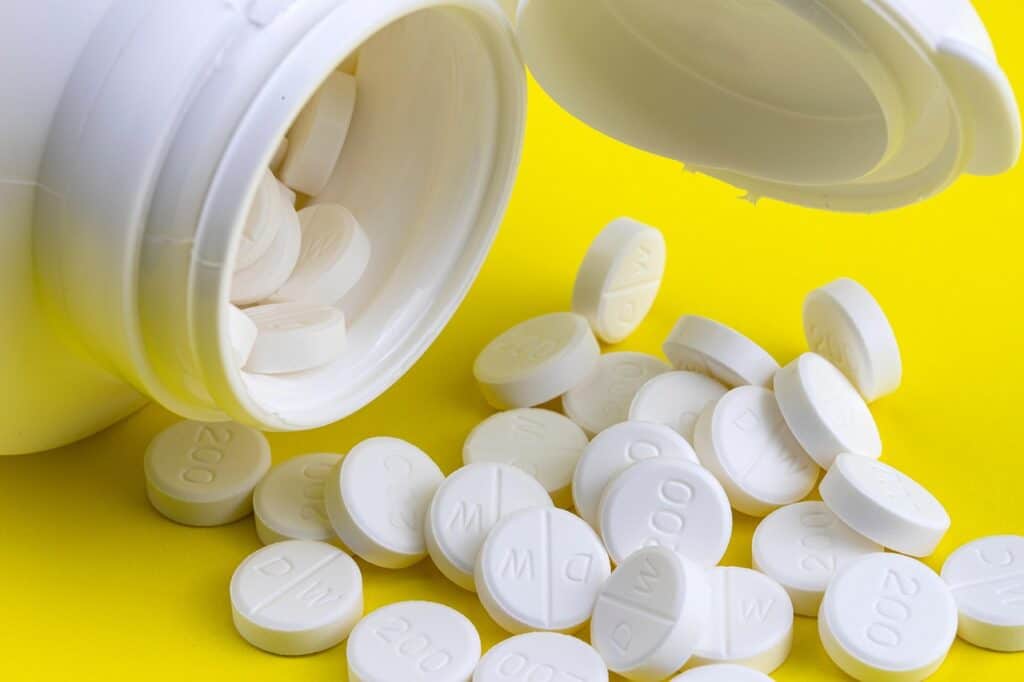
Ivermectin and fenbendazole are antiparasitic medications. They differ in terms of their active mechanisms, and they target different parasites. Ivermectin is available in both human-grade and animal-grade forms, including chewables, injectables, and creams, for the treatment of skin conditions.
Fenbendazole is a dewormer used to treat internal parasites in animals, from dogs to cattle.
Are Fenbendazole and Ivermectin Anticancer Agents?

Fenbendazole
No matter what anyone says, you cannot deny the preclinical evidence and testimonies of people who have taken ivermectin or fenbendazole to treat cancer. Several people have claimed that the use of these antiparasitics has sent them into remission! It’s important to note that a preclinical trial involves testing a specific drug using cells in a petri dish or mice. Clinical studies provide far more concrete scientific evidence as they involve people while assessing the dosages, safety, and overall effectiveness of the medication.
Because we don’t currently have concrete scientific evidence in the form of clinical studies to support the efficacy of antiparasitics against cancer, we must take precautions when using these medications for cancer treatment in dogs and cats.
In preclinical studies, fenbendazole destroys cancer cells. In fact, lab studies have shown that fenbendazole disrupts the division of cancer cells, slowing their progression. There are reports of melanoma and breast cancer patients on fenbendazole going into remission (without chemotherapy). In contrast, another fenbendazole study involving mice revealed accelerated cancer growth using the drug. The best results seem to be achieved when combining the antiparasitic with immune-boosting vitamins and supplements, such as full-spectrum CBD.
Ivermectin
Before I cover ivermectin as an anticancer agent, I must mention that the clinical evidence we have for ivermectin as a cancer treatment is very limited and requires human trials to be considered reliable. That being said, the growing number of people claiming that the antiparasitic drug has changed their lives, and those of their pets, simply can’t be denied. Here’s what we know so far:
Preclinical reports have shown that ivermectin can reduce the growth rate of cancer cells, particularly in tumors. The anti-tumor mechanisms make it a potential cancer drug for cats and dogs. Ivermectin’s anticancer properties have been tested against breast cancer, melanoma, lung cancer, and gastric cancer, with inhibitory effects.
Another worthy mention is the interaction between the antiparasitic drug and chemotherapy. Surprisingly, when ivermectin was used with certain chemotherapy drugs, it appeared to reduce drug resistance and improve their effects.
Ivermectin and Fenbendazole for Dogs and Cats with Cancer

Now that we know that ivermectin and fenbendazole have the potential to inhibit the progression of cancer cells, what does this mean for our furry companions? Well, it certainly provides a new sense of hope. I’m not saying that the antiparasitics offer a cure. But if more advanced oncology studies are conducted involving ivermectin and fenbendazole, it could shed more light on the safety and effectiveness of these drugs in cancer treatment for pets. Many pet parents are already using ivermectin for cancers such as hemangiosarcoma of the spleen and mast cell cancer.
While most studies involve petri dishes and lab mice, there are a few trials involving ivermectin and dogs with cancer. One such study monitored the effects of ivermectin on mammary gland cancer in intact female dogs. Researchers found that the antiparasitic medication actually slowed tumor growth. Regarding fenbendazole, preclinical evidence indicates that the medication blocks cancer cell division and causes cancer cell death.
Before you decide to give your dog ivermectin or fenbendazole as an anticancer treatment, speak with your veterinarian about incorporating it into a holistic plan. Most people I know who’ve tried these drugs as a therapeutic aid for pets with cancer have added vitamins, minerals, and supplements to support their immunity.
Ivermectin and Fenbendazole Dosages for Pets

Be very careful when dosing ivermectin and fenbendazole as an off-label treatment for pet cancer. High doses carry the risk of liver damage and neurotoxicity. Certain breeds, such as collies, also seem to be more sensitive to the medication.
The standard dose of ivermectin in the treatment of heartworm is 0.006–0.024 mg/kg; however, the experimental cancer dosage is higher and based on body weight. Consult with your vet regarding the correct dose of ivermectin or fenbendazole as an off-label medication for cancer in pets.
Rules for Using Ivermectin and Fenbendazole as Anticancer Drugs

Because we lack sufficient clinical research (human and animal) concerning ivermectin and fenbendazole as anticancer agents, we can’t say with certainty that these drugs will cure or aid in treating cancer. However, based on the preclinical trials and testimonies, in my opinion, I would at least try these medications if my pets were diagnosed with cancer. Unfortunately, I wasn’t aware of the antiparasitics when Sasha, Ice, and Blueberry were diagnosed with cancer.
Just be sure to use these medications according to the correct dosages. Incorporate a nutritious diet and cancer-fighting supplements, such as full-spectrum CBD. Do not exceed the dose, as it could lead to liver damage and toxicity!
If your dog or cat is on medicinal mushrooms, check with your veterinarian whether they can receive antiparasitics. While I couldn’t find any evidence that immune boosters, such as turkey tail, interact with ivermectin or fenbendazole, it doesn’t hurt to confirm the safety of combining mushrooms with conventional medicine.
Signs of Ivermectin and Fenbendazole Overdose in Pets
If your dog overdoses on ivermectin, they will experience tremors, poor coordination, vomiting, drooling, diarrhea, and even blindness. Pets that overdose on fenbendazole are lethargic, feverish, and show a lack of interest in food. In more severe cases, and where high or prolonged doses are used, the bone marrow in cats and dogs becomes suppressed. This interferes with the immune function meant to fight cancer.
There is no antidote for this type of toxicity, and you’ll find yourself in an emergency with your pet. Always adhere to the correct doses, and if you’re unsure, make an appointment with your veterinarian for assistance.
Recommendations and What We Know So Far

I absolutely recommend discussing ivermectin or fenbendazole with your vet to treat your dog or cat with cancer. And if your vet refuses to help you, then I suggest finding one who will, including a holistic veterinarian. A professional who understands your pet’s current health condition can break down the risks and dosages to avoid unnecessary complications.
Work With Your Vet
We can definitely agree, based on lab tests and several testimonies, that further research into the potential of antiparasitics as cancer treatment is needed. There’s a ton of information online about cancer and ivermectin and fenbendazole, but it’s up to you to discern the truth. For this reason, I emphasize working with experienced veterinarians who provide constant monitoring. This way, you avoid experimenting with the drug and benefit from a comprehensive healthcare plan for your fur babies.
I must admit that, based on individual testimonies and available trials, the anti-cancer effects of these drugs look promising. Should you decide to give your dog or cat fenbendazole or ivermectin, please start with a low dose. Speak to your veterinarian to avoid toxicity at all costs.
This post reflects my personal experience with my pets. I am not a vet, so please don’t treat this as medical advice. Every pet is different—always check with your veterinarian before making changes to your pet’s health routine.
Proudly powered by WordPress


Leave a Reply