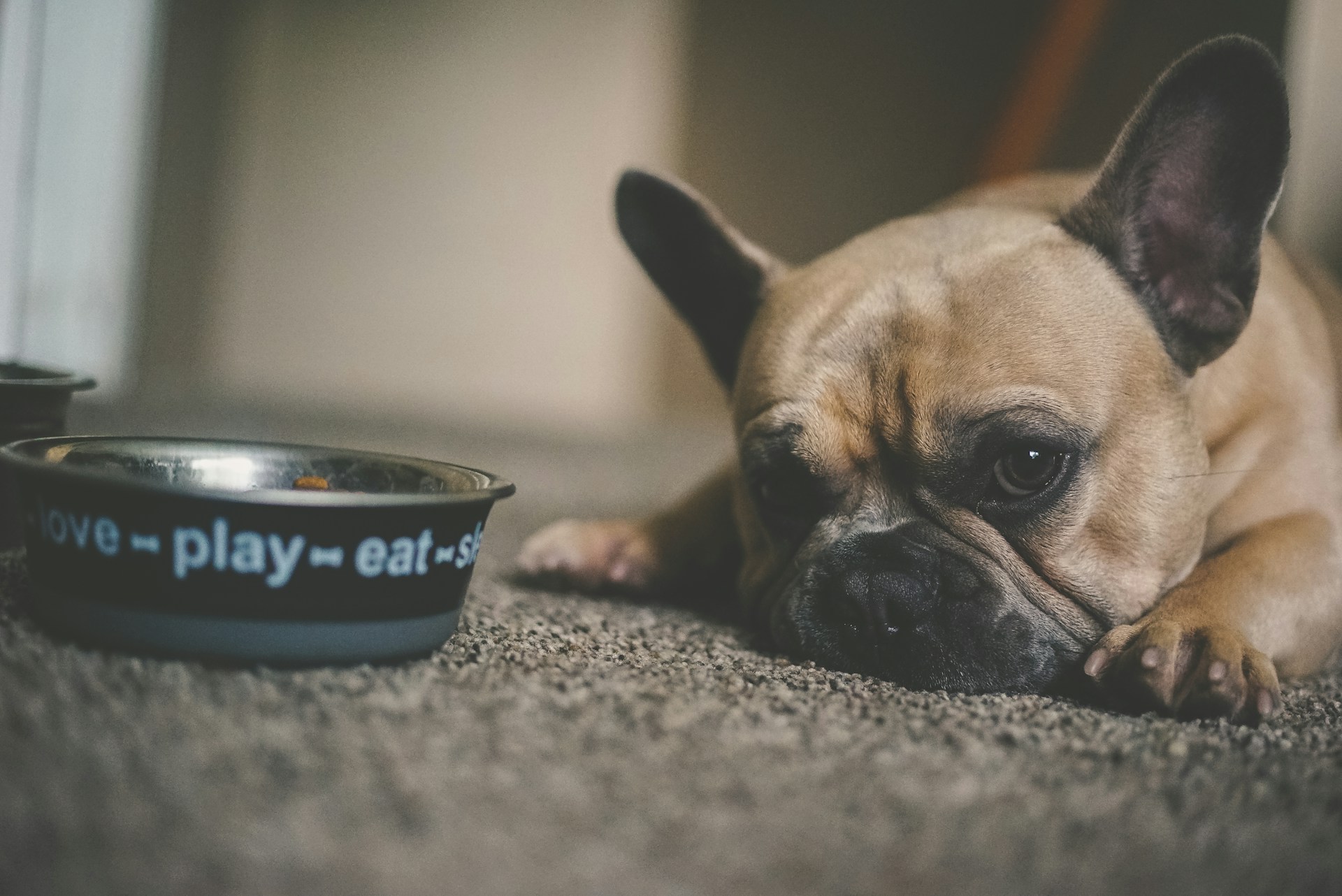
Perhaps a little bit controversial, and some might disagree, but cancer in pets is on the rise, and a largely kibble-based diet could be an influencing factor. While the link between genetics and cancer cannot be denied, there are important reasons to look at what we feed our pets.
Not all pet foods are bad, but certain ingredients are associated with higher rates of cancer in cats and dogs. Chemical preservatives and large amounts of corn are ingredients that increase inflammation and allergies, affecting the immune system. This places both cats and dogs at a higher risk of developing cancer, from tumors to liver and bone cancer.
There’s also no shortage of kibble-based diets, with pet food brands exploding across the market. Each promises better quality, vitality, and health, but most are packed with corn, filler ingredients, and chemical preservatives. Such additives were never meant to be a part of your pet’s daily diet.
In 2016, I spoke to a holistic vet who informed me that most of the pets he treated had cancer. Due to the influx of cancer cases, he believed kibble diets could be a contributing factor.
Whether you speak to friends or family, you’re bound to know someone who has or had a pet with cancer, and that’s a sad reality.
Why is the Kibble Diet a Problem for Pets with Cancer?
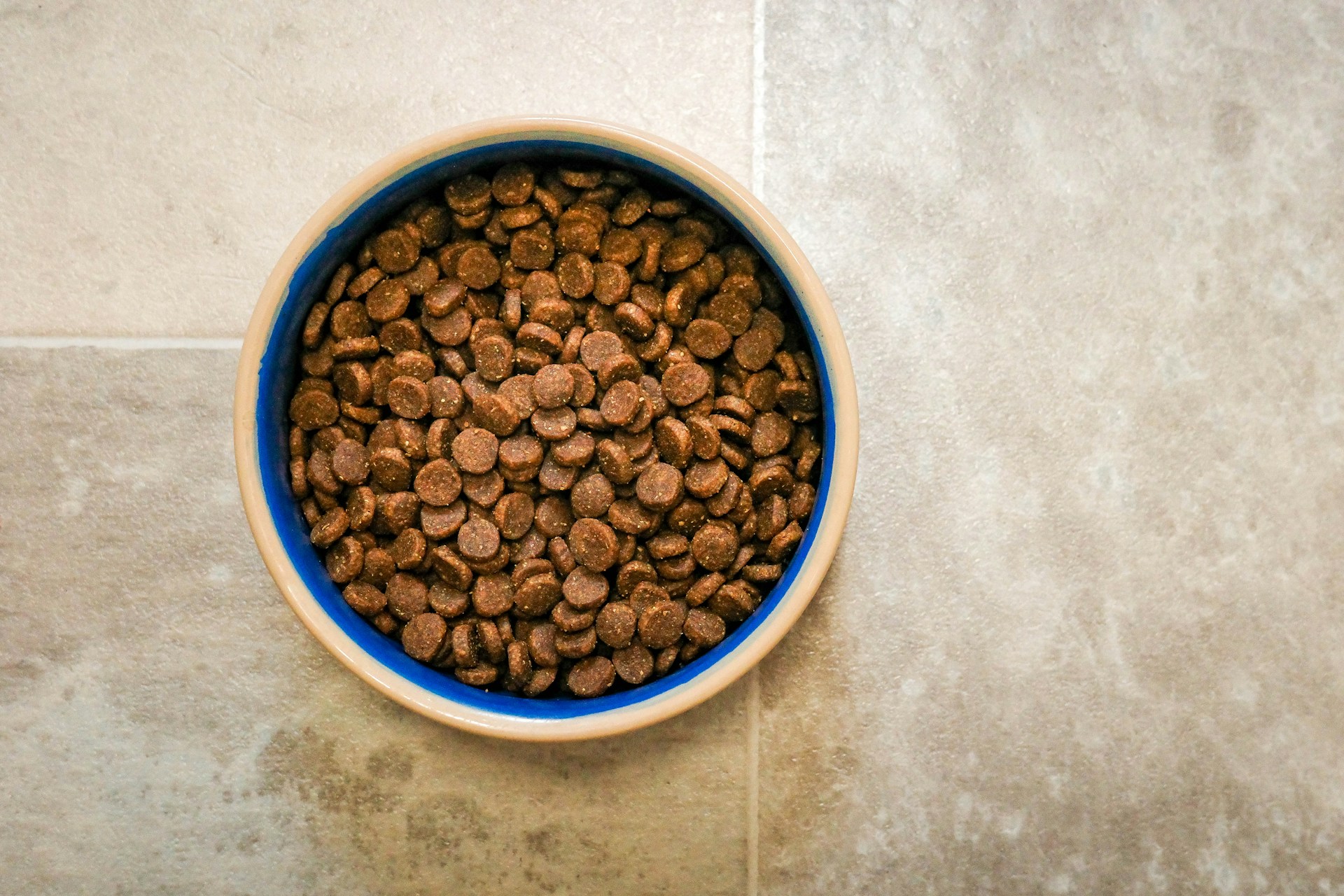
The problem lies in the production of dry pet food. Methods, such as extrusion, in which ingredients are cooked at temperatures of up to 200℃, degrade nutrition, form carcinogens, and create toxic compounds. Cats and dogs end up consuming these chemical agents for most of their lives, significantly increasing their risk of cancer.
Kibble diets also contain large amounts of carbohydrates, such as corn, barley, and sorghum, that are high in starch. Cancer, including cancerous tumors, uses carbohydrates to turn into glucose, which increases the metabolic activity of cancer cells. The high intake of carbs can also increase glucose levels in the bloodstream and the risk of cancer. A high-protein, low-carb, and low-fat diet is recommended to protect from cell damage.
Discuss protein-rich diets with your vet, as not all dogs with cancer will benefit from a primarily meat-based meal plan.
My dog Sasha had a chicken allergy, so whether she was provided fresh chicken or poultry-based kibble, she would vomit and have diarrhea. Because of her allergies and very sensitive stomach, we placed her on a kibble diet with fish as the main source of protein and potatoes as the carbohydrates. She was fed dry dog food three times a week and, every other day, received a combination of fresh meats and vegetables. Because she couldn’t fully transition to raw food, the partial kibble diet helped prevent digestive problems while reducing carbs.
What Types of Foods Cause Cancer in Pets?
The problem with a kibble diet for dogs and cats is the types of preservatives and additives. Some commercial brands also contain carcinogens and aflatoxins. Aflatoxin is a mycotoxin that develops in moldy grains found in dog food and increases the risk of cancer in pets.
Ingredients That Increase Your Pet’s Risk of Cancer:
- Carrageenan
You’ll find this popular emulsifier in wet cat and dog food products. It is meant to thicken the consistency of the food, but it is of no nutritional value to pets. The thickening agent increases inflammation and gastrointestinal upset in both cats and dogs. Although debated, the degraded form of carrageenan is linked to cancer in animals. And before you think the food-grade carrageenan is safe, it can turn into the degraded form when broken down by acidity in the stomach.
2. Acrylamide
When starchy foods are cooked at very high temperatures, as in kibble production, acrylamide forms. Because dogs consume this substance over a prolonged period, they’re at increased risk of toxicity and cancer.
3. Synthetic Flavors and Colorants
Look out for artificial flavors and colorants, such as yellow 5 and 6, Blue 1, Blue 2, Red 40, and synthetic meat flavor enhancers. Research has found that certain dyes, such as yellow 6, are linked to a high risk of cancer.
4. Sodium Nitrate
Shockingly, sodium nitrite has been associated with high rates of stomach cancer in people. The substance forms N-nitroso compounds when digested, which are known carcinogens, increasing cancer risk in pets. You’ll find sodium nitrite and sodium nitrate in most meat-based products. Many cats and dogs have also passed from nitrite poisoning.
5. Deoxynivalenol
Although deoxynivalenol is not recognized as a carcinogen, it can aggravate other types of carcinogenic substances, increasing the risk of cancer in pets. With prolonged consumption and in the presence of inflammation, deoxynivalenol has been connected to the development of tumors.
6. Polycyclic Aromatic Hydrocarbons (PAHs)
When meat is cooked at very high temperatures, the carcinogenic chemicals polycyclic aromatic hydrocarbons (PAHs) and heterocyclic amines (HCAs) are formed. Sadly, PAHs and HCAs have been detected in commercial cat and dog food.
How to Avoid Carcinogens and Toxins in Pet Food
My advice is to read pet food labels. If you don’t have the time to look at the label while at the store, find the item online. Click on the product image and zoom in on the label, or read a description of the ingredients to help you identify potentially harmful substances. Remember that pets eat the same food daily and are therefore at higher risk of exposure to cancer-causing agents.
Pay attention to the preservatives in the particular brand. You want natural preservatives such as tocopherols (vitamin E), ascorbic acid (vitamin C), buffered vinegar, and rosemary extract. Avoid the preservatives BHA (Butylated Hydroxyanisole) and BHT (Butylated Hydroxytoluene), as these damage the kidneys and liver.
Ingredients to Monitor in Pet Food
Corn
This filler ingredient is found in most pet foods because it is an affordable energy source. Corn on its own is not associated with cancer in pets, but it can exacerbate allergies, cause digestive upset, and lead to skin irritations. Corn syrup and cornstarch are additives that increase sugar and have no nutritional benefit.
Grains
Most pet foods contain some type of grain, whether it be barley, corn, sorghum, or rice. The good news is that grains are not necessarily bad. The FDA claims that some grains support digestive and heart health. Dogs and cats with cancer can benefit from whole grains in moderation as a source of fiber for healthy digestion.
Not All Grains are Bad – The Best Types of Grain in Pet Food:
- Brown rice is high in fiber and vitamins.
- Millet is a healthy source of fat and antioxidants.
- Sorghum is a source of copper, zinc, and magnesium.
- Barley is a good source of fiber.
Grains to Avoid in Dog Food
- Corn – large amounts of corn can cause allergies and digestive problems in dogs.
- Grain hulls – These are refined products that should be replaced by whole grains.
- Cereal – Cereals consist of a combination of processed grains, and because you cannot tell exactly which grains are included, this listed ingredient is best avoided in dog food.
Is a Grain-Free Diet Good for Dogs?
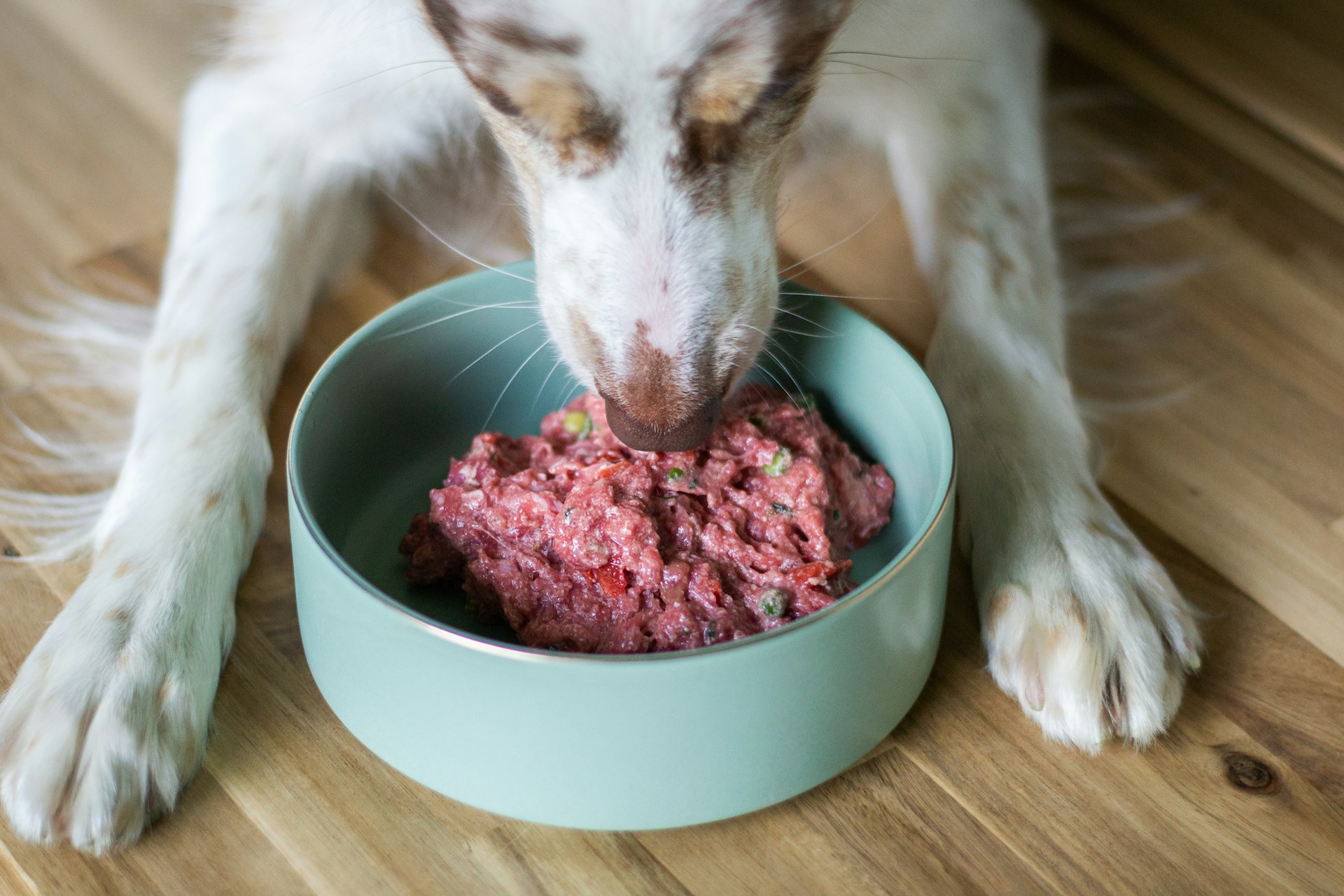
While many people believe that grain-free diets for dogs are best, research has revealed that the risk of cardiomyopathy in canines is higher with grain-free food. It is better to look for high-quality grains that provide nutrition. Also, ensure that the proportion of grain to protein and fats does not exceed 25% of the actual food.
For pets with cancer, you can reduce grains in their food by introducing peas, brown rice, potatoes, and legumes.
Peas, potatoes, and brown rice are excellent sources of fiber. Brown rice has a moderate glycemic index (GI), and peas are low GI. These sources of fiber do not lead to a drastic spike in blood sugar, making them ideal for pets with cancer.
Can a Raw Diet Prevent Cancer in Dogs?
There is no evidence to suggest that raw food diets can prevent cancer in dogs. However, healthier food choices packed with nutrients certainly do wonders for the immunity and the general well-being of pets. Remember that certain types of artificial ingredients, including preservatives, can increase the risk of cancer in pets.
What to Feed Pets to Avoid Cancer
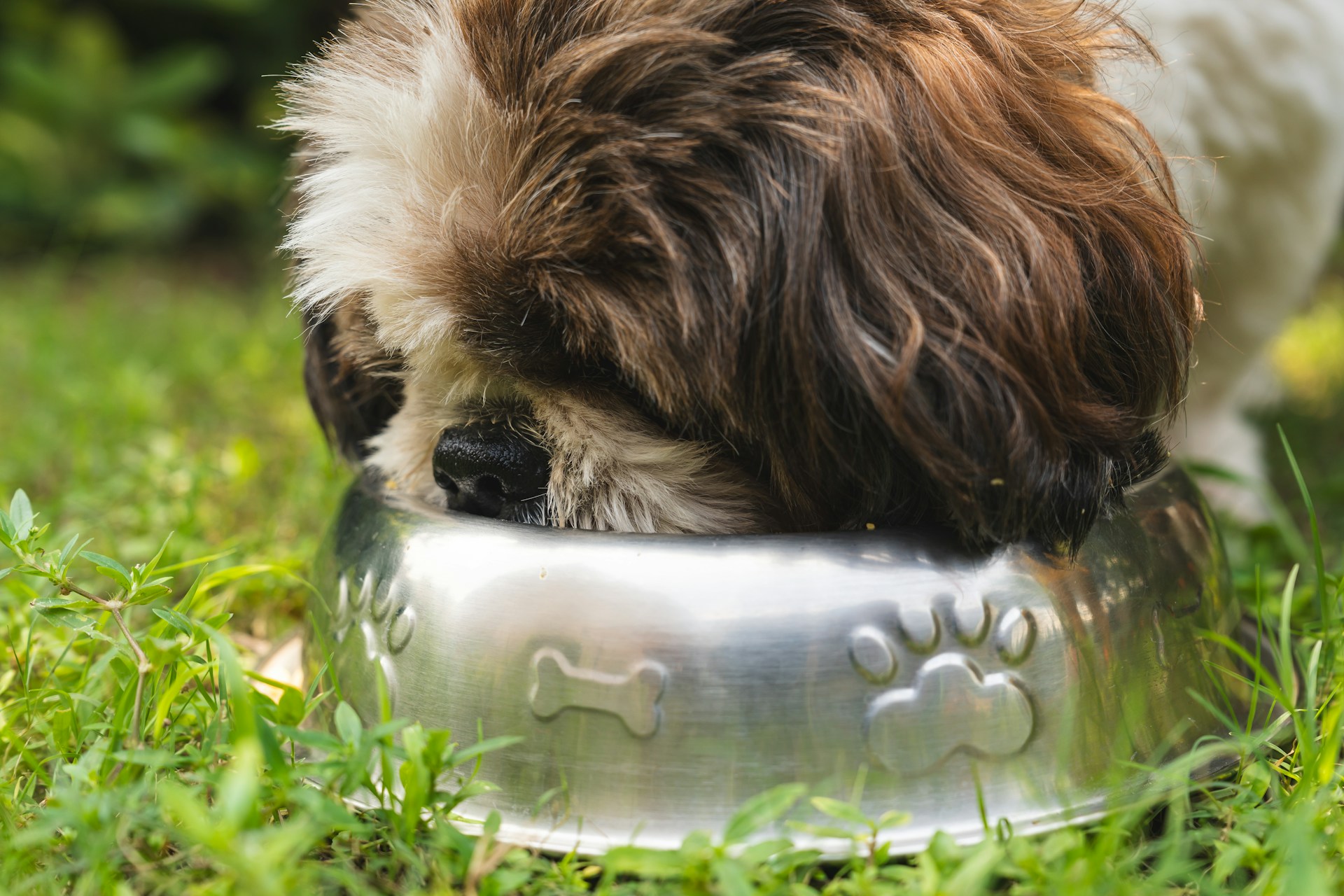
Unfortunately, there is no guaranteed way to prevent cancer in pets. We can improve our awareness of the ingredients in commercial dog and cat food and their impact on pet health. It’s a small but important step to support their well-being and longevity.
Helping You Help Your Pet
Reducing the risk of cancer in pets is not about buying the most expensive pet food, either. It is about learning which ingredients are included in your trusted brands and which ones to avoid. You can also incorporate healthy supplements such as salmon oil, buffered vitamin C, and antioxidants to improve immunity.
This post reflects my personal experience with my pets. I am not a vet, so please don’t treat this as medical advice. Every pet is different—always check with your veterinarian before making changes to your pet’s health routine.
Proudly powered by WordPress
Leave a Reply