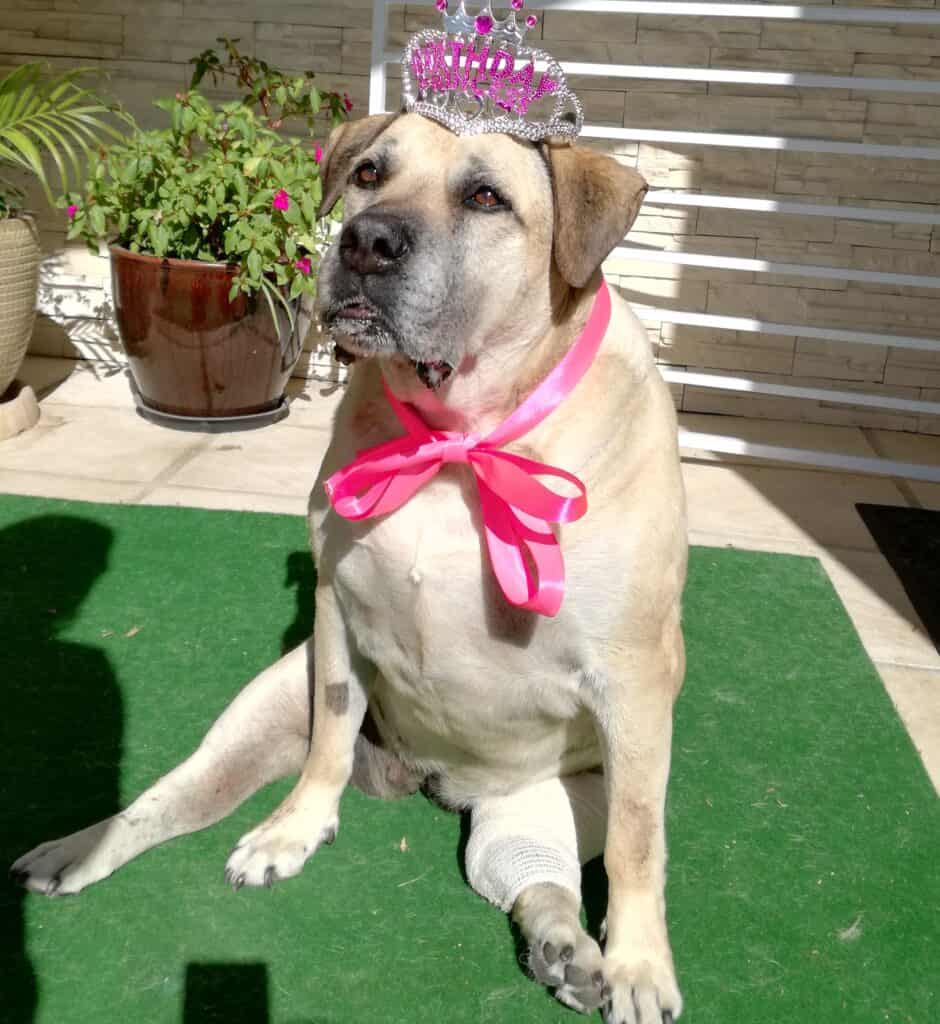
All dogs develop odd lumps or small bumps at some point, whether due to allergies or injuries, but not all of these lumps and bumps are harmless. Some types of masses may be cancerous, with the most common being mast cell cancer.
Cancerous mast cell tumors, or MCTs, are sneaky invaders that can spread quickly after months of inactivity if left untreated. In addition to its growth, a mast cell tumor releases large amounts of histamine that can become life-threatening.
If your dog has mast cell cancer, the journey can be difficult to navigate. The fluctuating size of these tumors may lead you to believe that they’ll disappear, but this is definitely not the case with MCTs. You may be wondering whether supplements like CBD can shrink the tumor, or when is the right time to have the mass removed? Well, not only do I cover the latest veterinary treatments and alternative remedies, but I also provide my personal experience with my girl, Sasha, and what we did to fight back. Here you’ll learn common mistakes to avoid when dealing with mast cell cancer in dogs, and perhaps feel a little more hopeful when it comes to tackling this nasty disease.
Understanding Mast Cell Tumours (MCTs) in Dogs
Mast cells are actually immune cells that you’ll find in humans and animals. So how do mast cells become cancerous? When a mast cell is dysfunctional, is exposed to chronic inflammation, or encounters environmental triggers, it can develop into a cancerous mast cell tumor.
What Does a Cancerous Tumor Look Like?
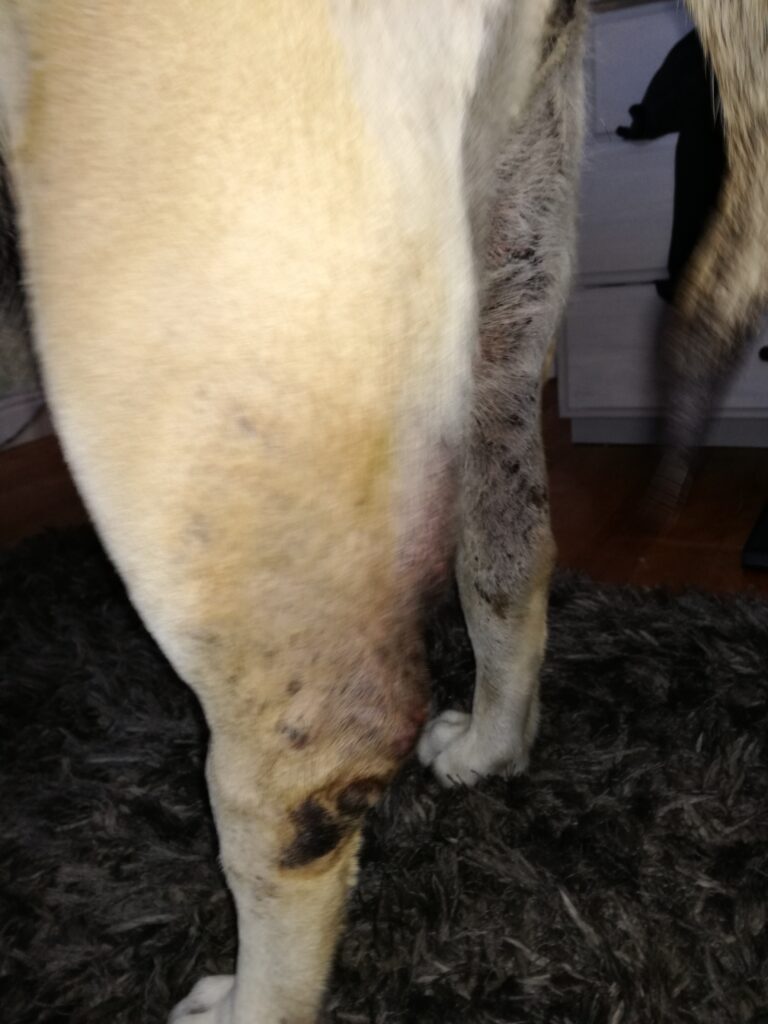
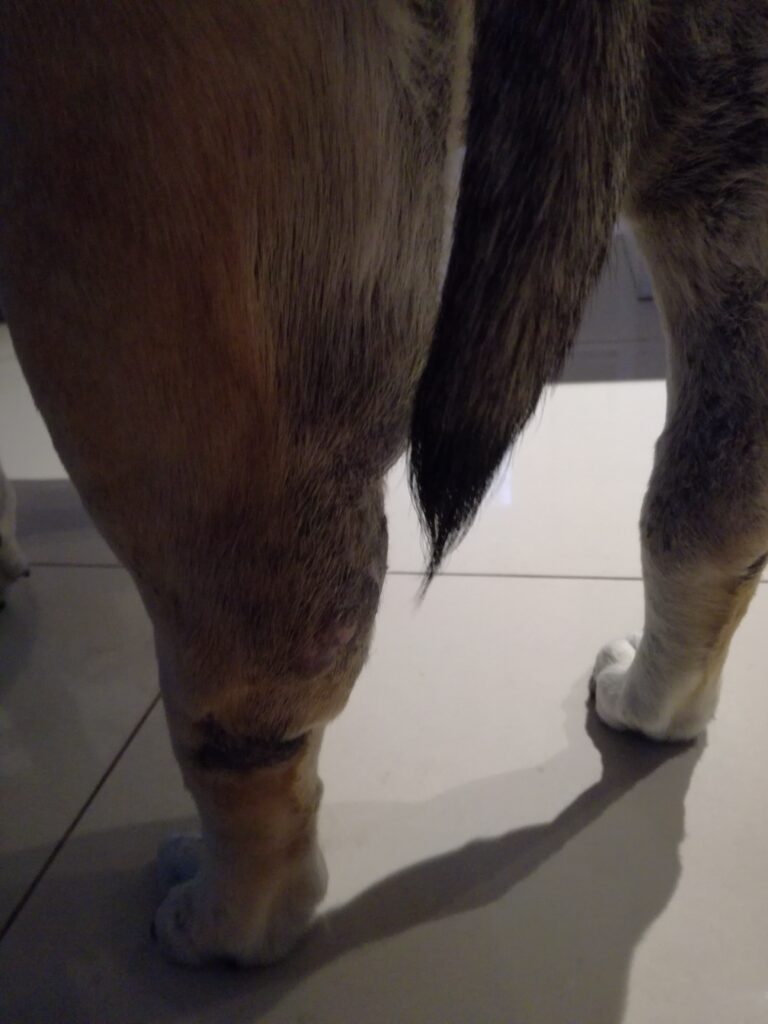
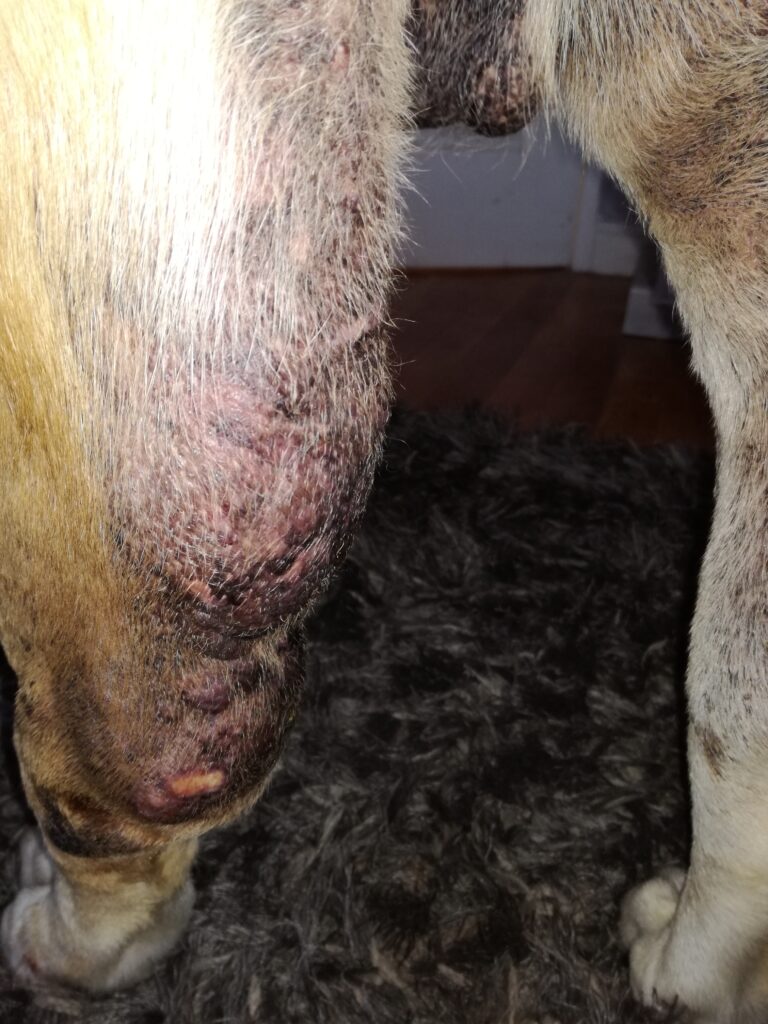
It is important to pay attention to any lumps or warts that appear on your dog’s skin, but before you panic about finding a bump, not all growths are cancerous. To give your pooch the best chance, careful monitoring of a lump and a visit to the vet help with early detection.
Sasha’s MCT Story – How It Started
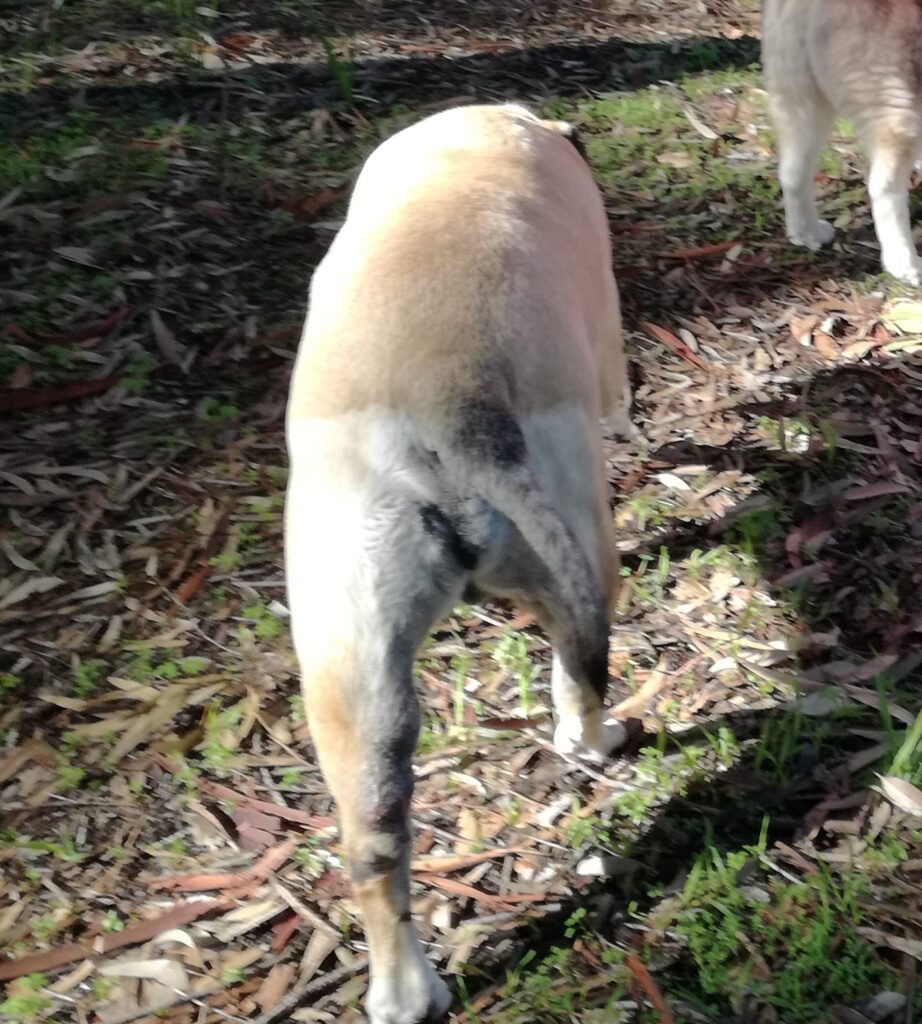
In my experience, the sooner the growth is removed, the better the outcome. My dog Sasha’s masses started as small bumps that were easily confused with fatty lumps or lipomas. I ignored the little masses, thinking that they were benign and would go away over time.
Unfortunately, the growth under her tail doubled in size over only a few days. It ulcerated, becoming a bright pink sore that made her very uncomfortable. By the time I took her to the vet for surgery, they suspected that the cancer had spread. I regretted not having the mass removed when it was small.
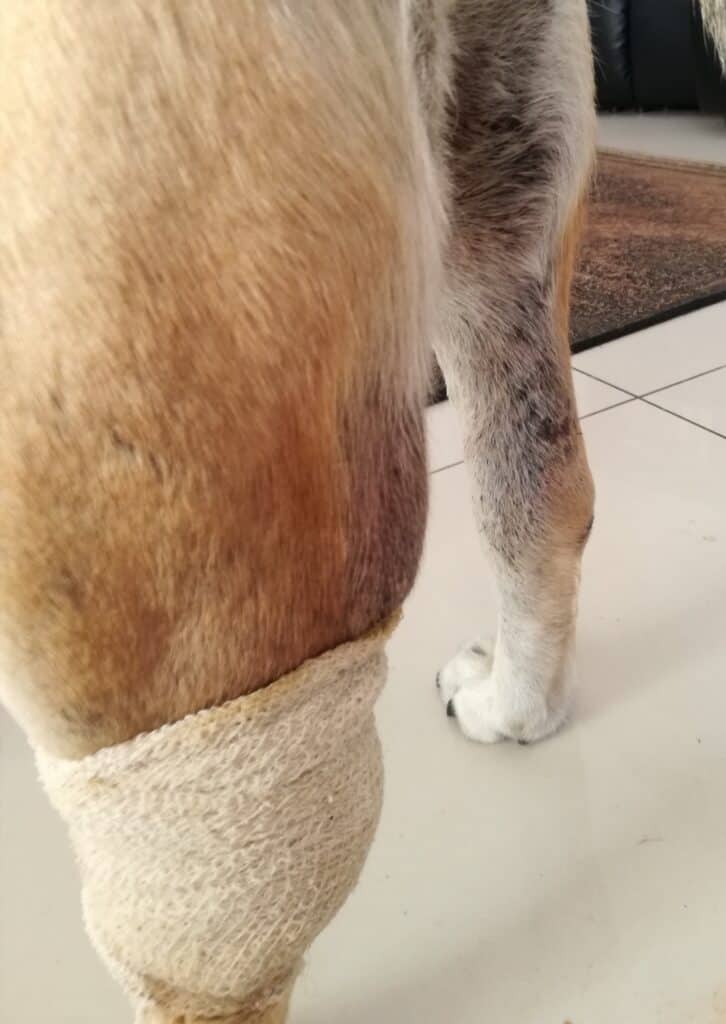
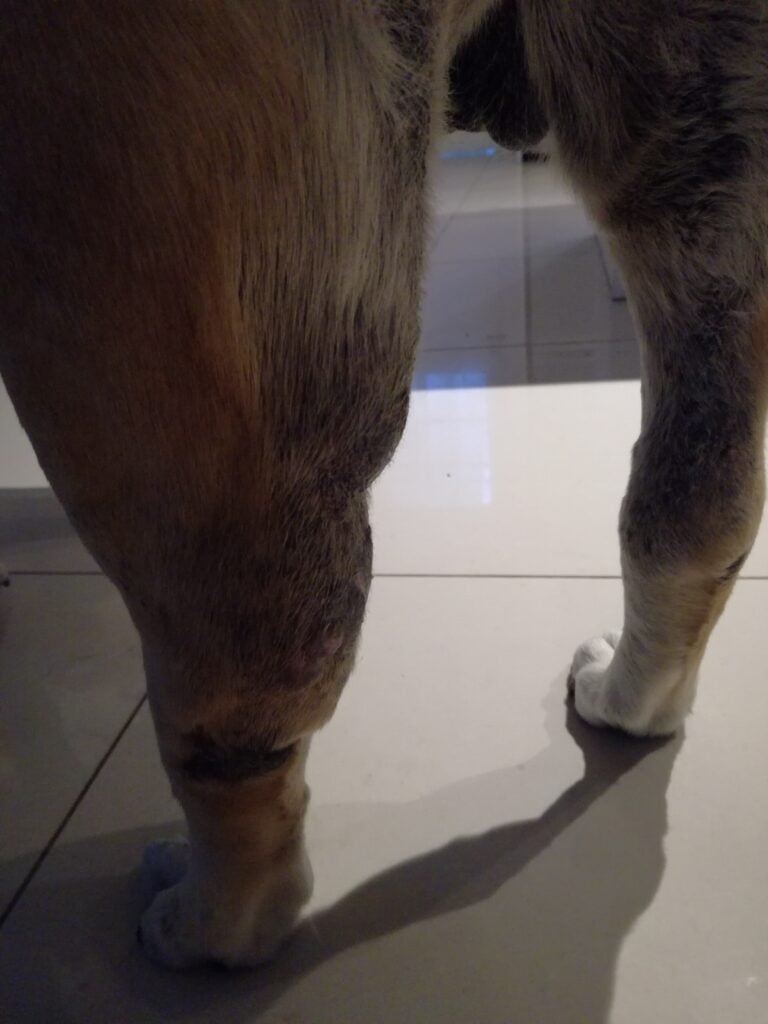
In addition to the sore under her tail, she developed a large mass in her back leg ( in the image above). The vet believed that the MCT was actually hidden in the tissue of her hind leg and had spread to the area under her tail. Over 2 to 3 months, she developed small mast cell tumors on her sides and in her ear. Her last surgery was extremely risky, and the vet almost lost her on the operating table.
Once her leg became so swollen and ulcerated, our veterinarian told us that this was the end of the road for Sasha. No more surgeries because her age was against her, and there wouldn’t be enough skin to cover her leg area if they did go in to remove the mass. But I didn’t want to give up. We were going on a dog cancer journey of nutrition, supplements, holistic veterinarians, and lots of treats!
If you notice these changes in a mass on your dog’s skin, have it checked out by your vet:
The Mass Changes in Shape, Appearance, or Size
Any lump, wart, or skin tag that changes in shape or size must be examined by your vet.
The Mass Changes in Consistency
MCTs tend to change size and may become soft or firmer with swelling. While not all skin abnormalities mean mast cell cancer, changes in a tumor’s consistency should be
Abnormal or Inflamed Skin Surrounding the Mass
Certain types of growths are surrounded by inflamed skin. You may notice fine pimples or fluid-filled pustules around the mass. If the lump develops into a raw spot and doesn’t heal, it could be cancer or an infection.
Pets Become Preoccupied with the Mass
If your dog constantly licks and chews at the growth or rubs the area against objects for relief, pay attention to it. Licking and chewing can also cause additional irritation and increase the risk of infection.
How Mast Cell Tumors are Graded
MCTs in dogs are graded according to the severity of the cancer. Your vet will perform a histopathology and grade the tumor based on a three-tier scale known as the Patnaik system:
Grade I
Tumors have a low chance of spreading.
Grade II
Abnormal cells require further investigation.
Grade III
Aggressive cancer cells with a significant risk of metastasis.
Low-grade tumors (I and II) have the best prognosis, with most of these MCTs successfully removed surgically. Grade III tumors have a poor prognosis. Sasha was diagnosed with grade III mast cell tumors at 11 years old. The vet at the time told me that she had less than 3 months; if I was lucky, but miraculously, Sasha almost made it a year. Her leg was very swollen at the end, but with vitamin C therapy, supplements, and lots of love, she gave us more time than we expected.
How to Identify MCT Symptoms and “Darier’s Sign”
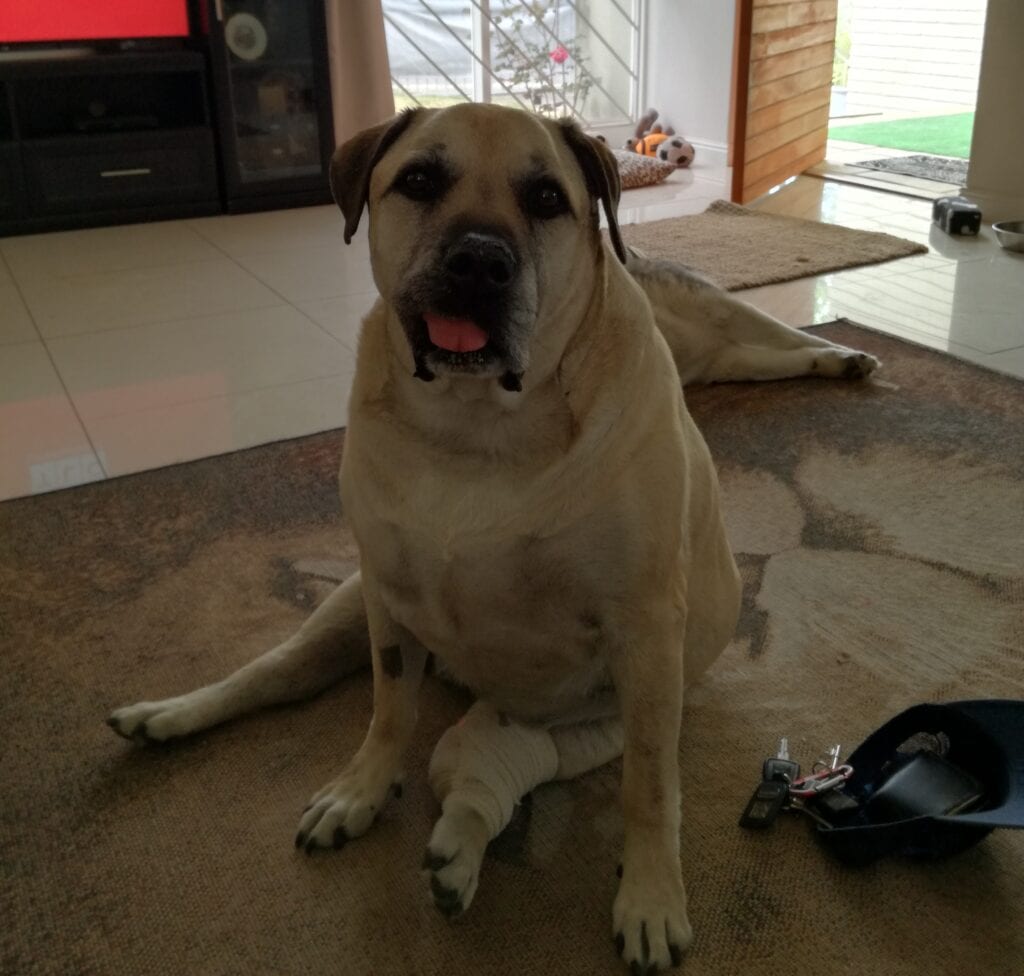
These nasty tumors can be quite difficult to detect. Often referred to as “imitators,” mast cell tumors can develop as solid growths, soft lumps, small pimples, or hairless masses that become ulcerated over time.
It’s important to note that these tumors can change in size. The release of histamine causes swelling and shrinkage within 24 hours. Don’t ignore the nodules or bumps that seem to “come and go.”
What makes MCTs in dogs so tricky is their reactivity. When touched or scratched, these tumors become angry and release histamine, resulting in inflammation.
One way of telling that a lump or bump is a mast cell tumor is the development of swelling, redness, and itchiness when it’s manipulated. This is called Darier’s Sign. Your dog may constantly lick and bite the affected area. Don’t massage the mass, thinking it will give your fur friend relief, because it only leads to more irritation.
Managing the Side Effects of MCTs in Dogs
Aggressive MCT’s will produce significant amounts of histamine when interfered with because of a process called degranulation. The tiny granules within the tumor burst when disturbed, unleashing histamine.
Histamine causes chronic inflammation, increasing the risk of stomach ulcers. Many dogs with mast cell cancer pass from ruptured ulcers due to internal bleeding or severe anaphylaxis. It’s not something any of us wants to think about, but early detection could save your pet’s life.
If a growth or change in the color or condition of your pet’s skin doesn’t improve over two weeks and you notice a fluctuation in the size of a mass or pimple, the skin or tumor should be tested. Your vet can perform a quick skin scrape to detect cancer cells or send the sample to a lab for further testing.
Latest Veterinary Treatment Options
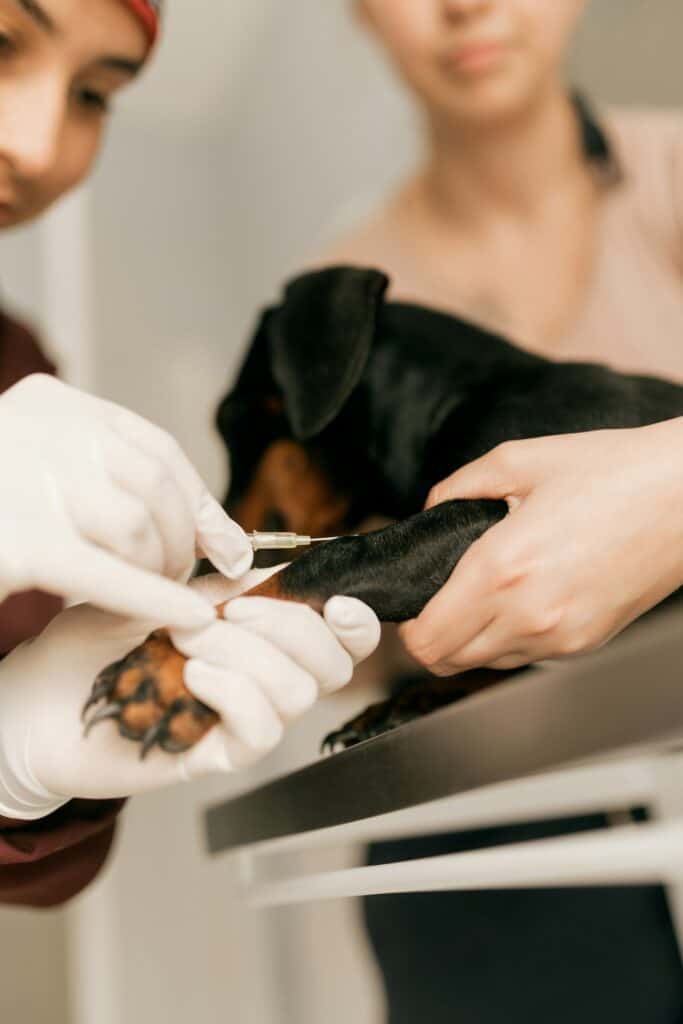
When Sasha was diagnosed with mast cell cancer, I didn’t know about immunotherapy or alternative remedies. Treatment like Stelfonta wasn’t available to shrink an inoperable tumor. Surgery was the only option. For such an old dog, she was over 10 and 121 lbs (55kg), so chemo wasn’t really an option. I also couldn’t afford chemotherapy at that time. To help you choose the best solution for your fur baby, I explore the latest veterinary treatments for mast cell cancer in dogs. These consist of surgery, chemotherapy, and holistic therapy. Let’s take a closer look at the pros and cons of each type of MCT treatment.
Surgery
The gold standard for treating mast cell tumors is surgery. When a mast cell tumor is cancerous and left to grow and metastasize, your options for treatment become very limited. For this reason, I stress the importance of monitoring your pet’s odd lump or nodule.
In Sasha’s case, the vet informed us that despite the removal of the tumor, degranulation had already occurred. I also struggled to control the bleeding from the wound and had to apply ice packs to the area over several days.
My advice, if you can afford it and your dog is healthy enough to undergo anaesthesia, I highly recommend surgical removal of a mast cell tumor. Your veterinarian will try to achieve clear margins, which means that there are no cancer cells in the surrounding tissue. Achieving clear margins and placing dogs on a nutritious diet with supplements (I discuss these in more detail below) provides the best outcome.
Intratumoral Injection – Stelfonta
The intratumoral injection is a type of immunotherapy. It involves the use of Tigilanol tiglate, known as Stelfonta. This form of therapy relies on the body’s immune response to eliminate the tumor cells. The limitation is that it only works for very small, non-metastatic or low-grade tumors. This means the cancer remains localized, so it doesn’t spread to the rest of the body.
The intratumoral injection destroys the cancer cells and offers the benefits of a quick treatment without the risks of anesthesia and surgery.
Furthermore, pets will require a strict regimen of medication to control the histamine as the injection gradually destroys the tumor. Some older and weaker dogs may not cope with the flood of histamine in their bodies. It can lead to major inflammation, and if your dog contracts a secondary infection, they may require hospitalization. In some instances, the side effects could become life-threatening.
Stelfonta for Dogs Costs
These injections reach up to $1500 per treatment. Be sure to discuss the pros and cons of the intratumoral injection with your veterinarian. Think of your dog’s age and general well-being before moving forward. Should they experience an allergic reaction and require hospitalization, secondary treatment will add to these costs.
Immunotherapy – Gilvetmab
Gilvetmab is the latest immunotherapy provided to dogs with mast cell cancer. It is administered intravenously and works by allowing the dog’s immune system to attack the cancer. All three stages or grades of tumors can benefit from this treatment. Because it can shrink tumors, Gilvetmab is most beneficial for inoperable tumors. So, when a tumor is located on the paw, where there is very little skin to cover the wound, this treatment is certainly helpful.
Surprisingly, Gilvetmab has an efficacy rate of up to 73%, from shrinking tumors to stabilizing the MCT. On the downside, it requires biweekly treatments of up to 10 treatments to manage the cancer. Unfortunately, Gilvetmab is not a cure, and you still have to monitor your pets for the reappearance of the tumor. One must also consider the costs of each treatment, along with traveling to the vet every second week. The side effects of Gilvetmab include lethargy, poor appetite, and can affect liver function.
Supportive Medications: Antihistamines and Antacids
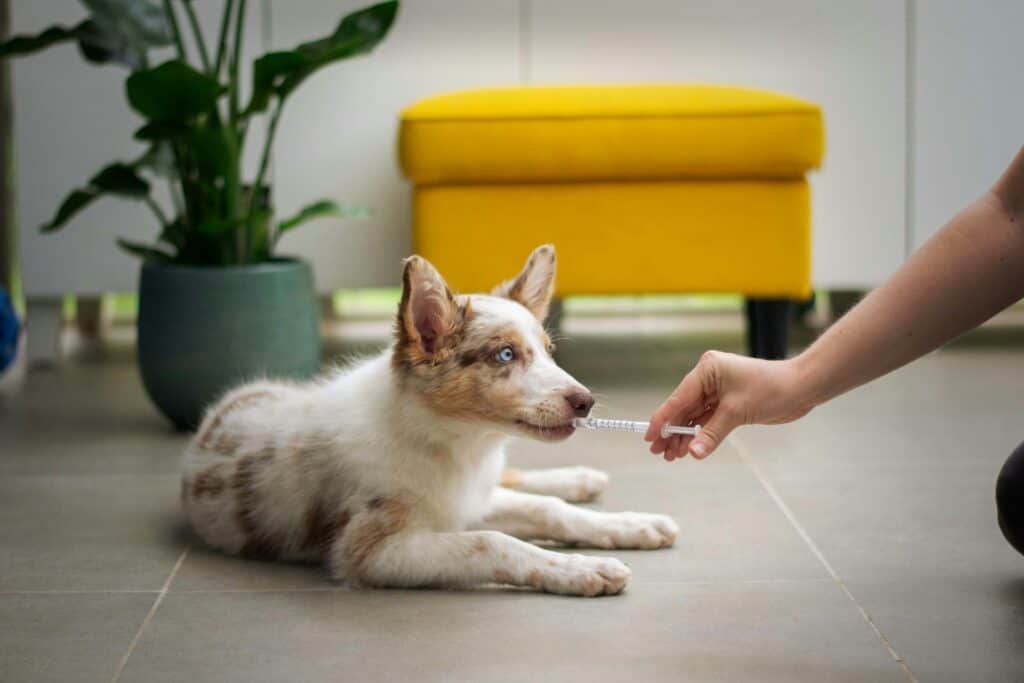
The problem with the amount of histamine produced in MCTs is that it increases inflammation, causes itchiness (pruritus), and causes stomach ulcers. Some dogs are affected by heart problems, including drops in blood pressure and behavioral issues, from fatigue to aggression.
To prevent and minimize the effects of histamine, most dogs with mast cell cancer receive antihistamines and antacids. Antihistamines like Benadryl will control the amount of histamine in the body and significantly reduce irritating and potentially life-threatening allergic reactions. Antacids relieve stomach pain, acidity, and reflux associated with ulcers. These medications should not be stopped while your dog is battling mast cell cancer.
Sadly, I made the mistake of solely relying on alkaline powders when Sasha had an inoperable mast cell tumor. I stopped the antacids and antihistamines, and as believed by her veterinarian at the time, she developed severe stomach ulcers. I highly recommend combining the prescription medication provided by your vet with alternatives, such as vitamin C and a cancer-fighting diet, to prevent painful ulcers and the impact of histamine.
Essential At-Home Care and Lifestyle Adjustments
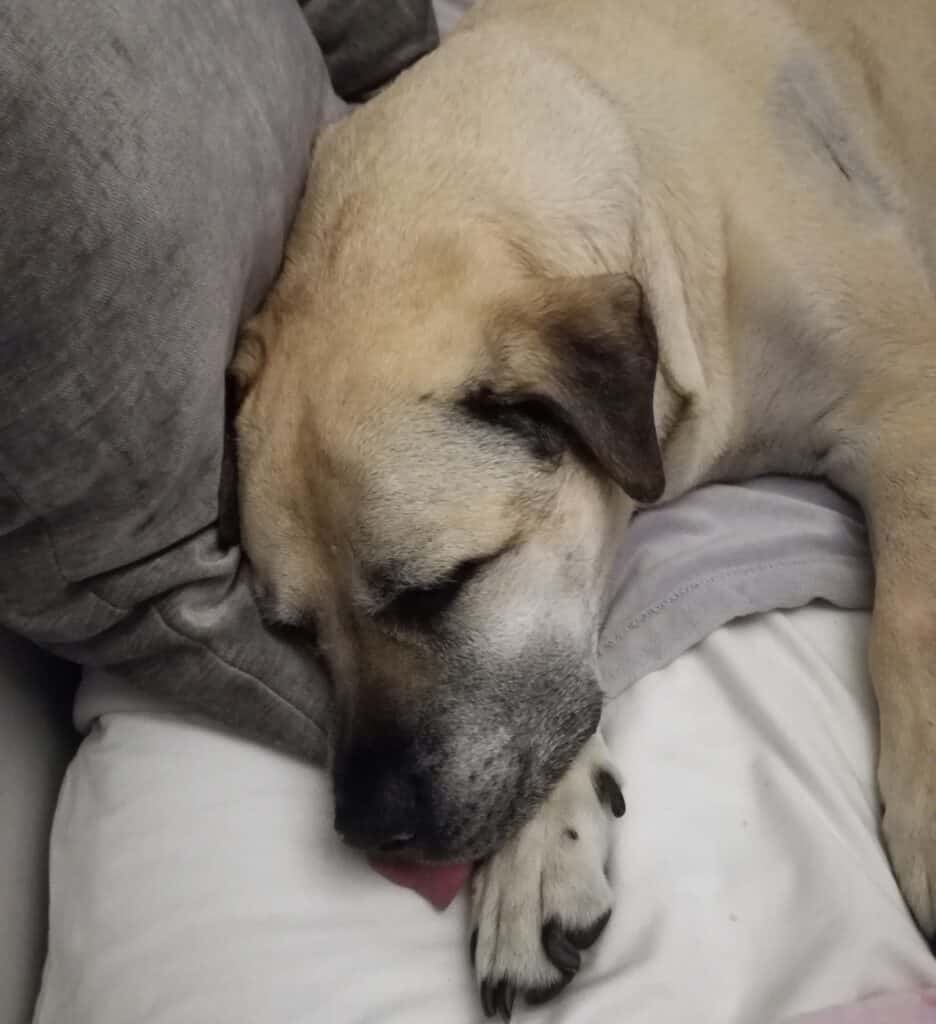
When Sasha was first diagnosed with mast cell cancer, I was overwhelmed. It was the first time I had dealt with pet cancer, and I kept thinking about how much time she had left. Perhaps you’re in a similar situation, and your dog has a mast cell tumor that can’t be removed or has already spread.
For any type of pet cancer, start by making a few changes at home. It will make the biggest difference to your dog’s life in terms of their comfort and longevity. So, to help you and your fur baby on your journey, I’ve broken down the dos and don’ts of mast cell cancer for you and your pet.
1. Don’t Manipulate the Tumor
As previously mentioned, massaging or touching the tumor is a no-go! Don’t try to apply cream to it or bandage it. Simply avoid it, if you can, to prevent the release of histamine. What you can do, which I tried, is to apply a few drops of full-spectrum CBD onto the mass with a medicinal dropper. Some pet owners believe that CBD reduces the size of the tumor. It didn’t work for Sasha, but then again, I was constantly manipulating the tumor and aggravating it. If in doubt, run the idea past your vet to get their opinion.
2. Do Change the Diet for Dogs with Mast Cell Cancer
Every dog living with mast cell cancer can benefit from a modified diet. The first step is to decrease carbohydrates because cancer loves sugar. This means reducing or replacing kibble or dry food with meat, vegetables, and simple carbs like rice, quinoa, and millet. You can check out my page on the “Dog Cancer Diet” to learn how to prepare protein, along with a list of vegetables that are safe for your fur friend to eat.
In addition to a low-carb diet, dogs with mast cell tumors must be given low-histamine foods. Be sure to feed fresh foods without artificial colors, flavors, and preservatives that may trigger allergies. Incorporate eggs, turkey, chicken, and lamb. Do not give your dog canned food or fermented meat. You should also avoid yogurt, which is actually a high-histamine food.
3. Do Add Immune Boosting Supplements
Another important part of at-home care for mast cell tumors is providing your pets with supplements. Products such as omega-3 fatty acids, coconut oil, and vitamin C for dogs will strengthen the immune system, increase energy, and support healing. Vitamin C should only be given in a water-soluble form because dogs cannot digest regular vitamin C.
Consider immune-boosters like turkey tail mushrooms and full-spectrum CBD oil. I gave Sasha full-spectrum oil, which contains THC, to help with pain and relaxation. My holistic vet explained that the histamine released by the tumor increases restlessness, making it hard for your dog to sleep at night. Using a full-spectrum oil helps with rest and gives them a bit of an appetite. If you’re unsure about full-spectrum CBD dosages, benefits, and risks, check out my post on CBD for pets.
And please, whether your dog has a cancerous tumor or has had an MCT removed, nutrition is vital! I truly think that placing Sasha on a regimen of IV vitamin C, antioxidants, and a protein-rich diet gave her some extra time. I can’t say with certainty that this will be the case for all pets, but she went from a life expectancy of 3 months to one year. You can read all about the specific supplements recommended by her holistic vet on my Affordable and Natural Supplements page.
4. Do Reduce Stress
A calm environment is always recommended for dogs with cancer. It supports their immune system, and in the case of MCTs, minimizes injuring or agitating the tumor. If your dog is still energetic, you can play with them and go on walks, but any strenuous or rough activities should be kept to a minimum to avoid irritating the tumor.
Caring for Your Dog With Mast Cell Cancer
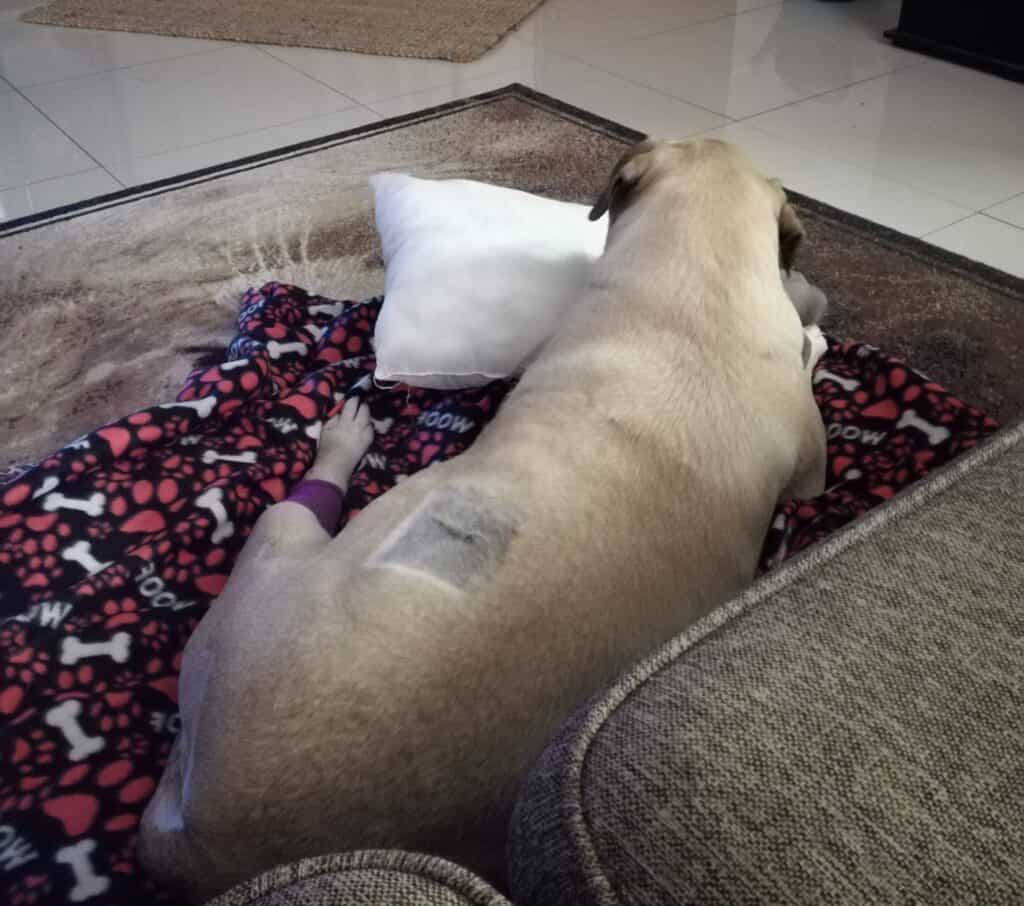
I was incredibly sad to discover that between 20% and 40% of dogs are affected by skin cancer, with mast cell tumors being the most prominent. All I can ask is that every month, you check your dog for any bumps or nodules by running your hands over their stomach, back, and legs. Check the insides of their ears, and if you spot something, pay close attention. A mast cell tumor can grow rapidly, so have it checked by your vet.
If you’ve noticed changes in the size of the lump, insist on getting it tested with a skin scrape. It’s better to know whether it’s cancerous than to regret not acting while the tumor is small.
#Dogwarrior
It’s not easy caring for dogs with cancer, but I hope that Sasha’s story and the treatments discussed in this guide help you and your fur baby with comfort, the hope to fight back, and a few extra months of true happiness and unconditional love.
This post reflects my personal experience with my pets. I am not a vet, so please don’t treat this as medical advice. Every pet is different—always check with your veterinarian before making changes to your pet’s health routine.
Proudly powered by WordPress