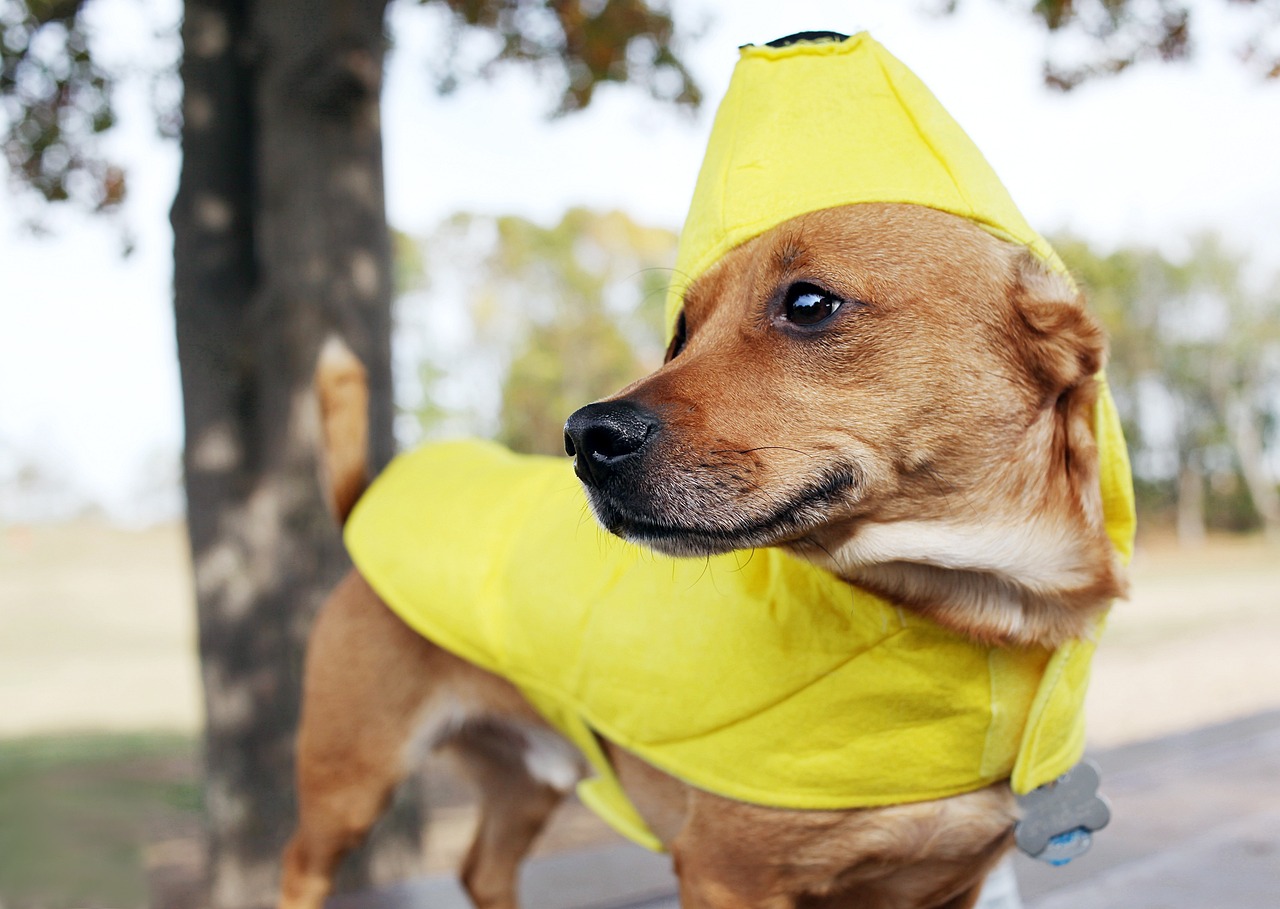
Did you know that kale contains calcium or that pumpkin is packed with antioxidants? Every vegetable and fruit has incredible combinations of nutrients that support gut health, soft skin, and a strong immune system. So why wouldn’t we want to share these natural benefits with our fur friends?
I’ve noticed that some pet parents are transitioning their dogs to a vegetarian or vegan diet. While greens are certainly great additions to your pet’s meals, they are simply that, additions. You cannot remove protein from a dog’s diet, and you cannot feed every type of veggie or fruit to your fur baby either.
The point of my guide is to show you which safe fruits and vegetables for dogs can be used as a meal top-up, along with their benefits. I do not advocate replacing protein-based food with the listed veggies and fruits. But if you are going to introduce these foods, you must know what you can and can’t feed your dog.
Can Dogs Eat Vegetables and Fruit?
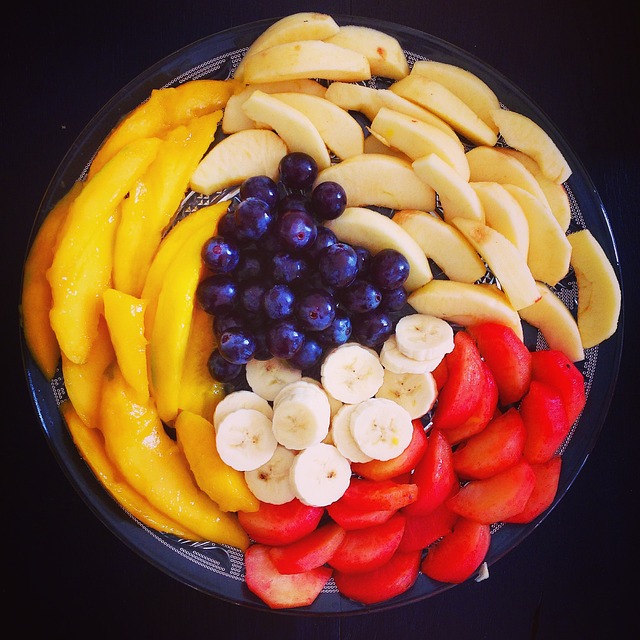
Whether a healthy snack or boosting immunity, you should know which fruits and vegetables are safe for your dog to eat. And yes, our fur babies can eat a few blueberries or munch on a carrot, but not every fruit or vegetable should be given to dogs.
Remember that greens should always be fed in small amounts or in proportion to your pet’s weight.
Several foods are not suitable for pets, and with good reason. Garlic is a popular immune booster; however, garlic is potentially toxic to dogs because it contains disulfides and thiosulfates known to damage red blood cells. Although some articles suggest that fresh garlic is fine for dogs, avoid large portions, which could cause toxic reactions.
Before Giving Your Dog Fruit and Veggies: A Word of Caution

Before we get to our list of canine-approved vegetables and fruits, remember to always introduce these whole foods slowly and in accordance with your dog’s weight and healthcare needs.
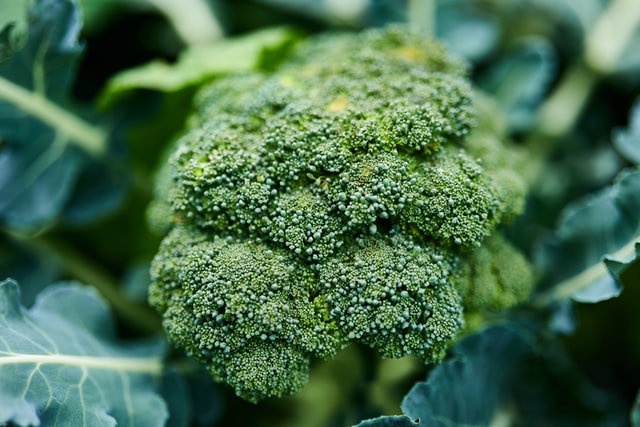
Broccoli is a great vegetable to introduce to your pet’s diet because it contains a multitude of vitamins, including those with cancer-fighting properties. However, when broccoli florets are fed in excess, it can lead to digestive upset, such as stomach cramps and diarrhea. Feeding a small amount every alternate day or gradually introducing broccoli can prevent digestive issues.
The Best Vegetables for Dogs
The following vegetables contain essential vitamins, minerals, and fiber, making them suitable additions to your dog’s daily diet:
- Broccoli – In moderation, as large amounts will cause stomach upset in dogs.
- Spinach – Only in small amounts as a source of fiber. It is high in oxalic acid and can prevent calcium absorption.
- Potato – In moderation because of its high starch content. Small dogs should be fed two teaspoonsdaily whereas large dogs can eat up to two tablespoons per day.
- Sweet potato – A good source of fiber.
- Pumpkin – Feed small dogs two teaspoons per day and large dogs around three tablespoons daily. Pumpkin is a favorite because it strengthens immunity. The veggie has zinc, iron, and healthy fats. When it comes to the seeds, feed a single ground seed for every 10 lbs of weight.
- Squash – Both pumpkin and squash are excellent sources of fiber.
- Carrots – Packed with antioxidants for healthy eyes and a beautiful coat. Small dogs can consume two slices daily, whereas large dogs can eat up to six slices.
- Peas – Exercise precaution with peas, as dogs that consume food quickly can aspirate on a pea. It is best prepared in a mash.
- Green beans – Contain calcium, iron, and vitamins B6, C, and K. Only feed two green beans to small dogs daily, and up to four green beans for large dogs.
Vegetables Not to Feed Dogs
- Corn on the cob – The cob can lodge in the gut and lead to bloat or perforation. Corn is considered a filler and may be responsible for skin allergies in some dogs.
- Avocados – Especially not the skin and pit, which are toxic to pets
- Tomato – Dogs can eat ripe tomatoes in small amounts. Avoid feeding green or unripe tomatoes, as they are highly acidic and will cause digestive upset.
- Garlic – Contains disulfides toxic to dogs
- Lettuce – Difficult to digest
- Asparagus – Hard to digest in raw form
- Mushrooms – It is best to avoid them, as many mushroom species are toxic to dogs.
- Onions – Onion toxicosis can happen when a dog eats as little as 15 g per kg of bodyweight.
The Best Fruits for Dogs
- Apples – Apples are great for dogs, but the core should not be fed to canines because it can become lodged in their throats and stomachs. Apple cores, much like a corn cob, can lead to complications such as gastrointestinal blockages.
- Blueberries – Yes, a great source of antioxidants.
- Bananas – A good source of potassium, but must be fed in moderation because of their high sugar content.
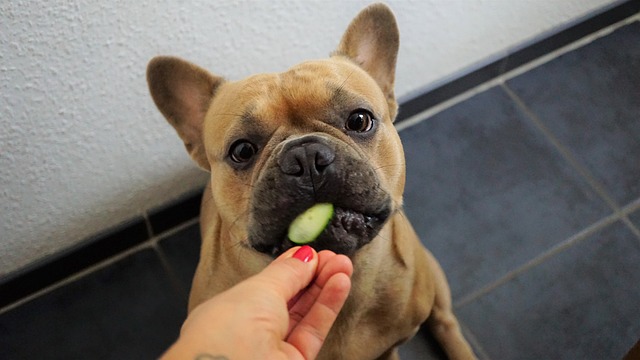
- Cucumber – It is low in fat and high in vitamins C and K. Cucumbers contain potassium, biotin, and essential minerals.
- Oranges – Fresh citrus can lead to digestive problems. However, vitamin C is highly beneficial for pets recovering from illness or struggling with arthritis. My holistic veterinarian recommended water-soluble vitamin C for my girl Sasha to combat mast cell cancer. It naturally boosts the immune system, improves energy, and can ease nausea.
- Peaches – Yes, but not the pip
- Pears – Yes, but not the pip
- Mango – Yes, it is high in vitamins C, E, and A.
- Strawberries – Yes, but feed in small amounts because of the high sugar content
- Watermelon – Yes, but without the seeds to avoid intestinal problems.
Fruits That Should Not Be Fed to Dogs
- Grapes – The tartaric acid in grapes and sultanas can poison dogs and cause symptoms such as vomiting and stomach pain. The toxic dosage of grapes for dogs is around 4 grapes per kg of body weight.
- Fruit pips – Most pits contain cyanide, and the pit itself can cause an intestinal blockage.
- Pineapple — While your canine companion can eat peeled pineapple, it is very high in sugar and best avoided.
Why Give Fruits and Vegetables to Pets?
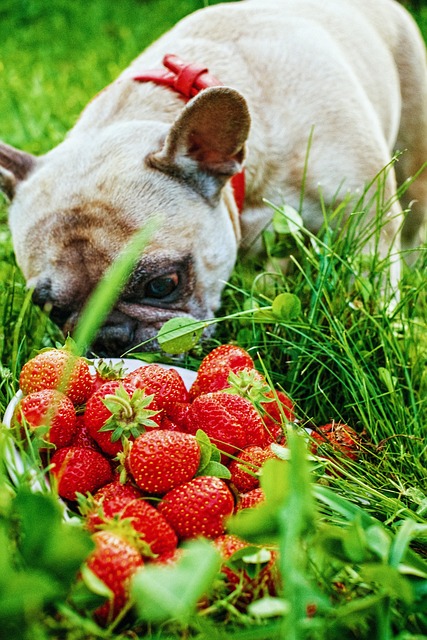
By adding vegetables to your pet’s diet, you’re providing extra vitamins, minerals, and fiber. Dogs fighting cancer or a disease, such as kennel cough, benefit from the powerful nutrition found in greens.
Dogs suffering from constipation can be fed small amounts of spinach and broccoli. Steamed or boiled pumpkin and squash are also natural sources of fiber.
Fruit has high sugar content and should be fed in moderation. Bananas, watermelon, and blueberries are best served as frozen treats in summer.
Now that you’re familiar with safe fruits and vegetables for dogs, you can introduce these greens to your pet’s diet. But remember, if your pooch enjoys a crunchy apple or a ripe strawberry, you’ll definitely have to share your next fruit salad with them!
This post reflects my personal experience with my pets. I am not a vet, so please don’t treat this as medical advice. Every pet is different—always check with your veterinarian before making changes to your pet’s health routine.
Proudly powered by WordPress
Leave a Reply