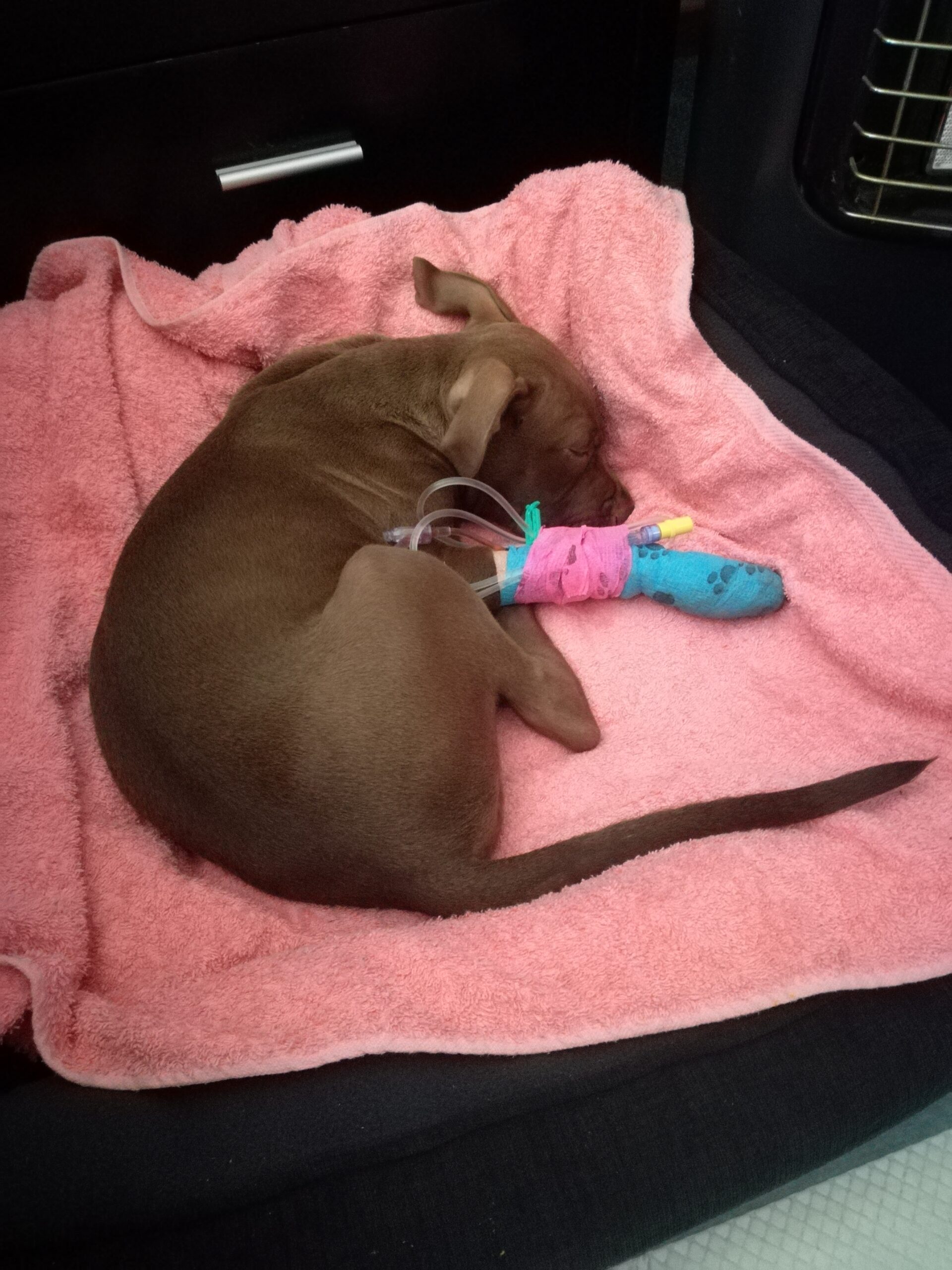
After a day of playing up a storm, Ragnar, our 11-week-old pitbull, was relaxing on the bed when he suddenly brought up his food. We thought it was a bit of an upset stomach, but by the next morning, he was vomiting and had diarrhea. Because he deteriorated so rapidly, we immediately called the vet and scheduled an appointment.
Still thinking that his food didn’t agree with him or that he overexerted himself, the vet tested for canine parvovirus, and the result was positive. The vet suggested hospitalization and intravenous (IV) therapy to improve his chance of survival. We knew very little about this disease, including the costs.
When Ragnar was diagnosed with parvo, we came across so many articles saying that the older they are, the better their odds. Or that making it past day 3 or 4 means they’ll make a full recovery. Ragnar was still very sick on day 10. Even at this stage, we didn’t know if he’d pull through. Many puppies can recover within a week, but this isn’t true for all dogs.
Parvo is a scary disease that leaves you holding onto hope. Today, most vets are equipped with a better understanding of parvovirus treatment, but even at a state-of-the-art clinic, there’s no guarantee that a parvo puppy will make it. Ragnar had extremely severe symptoms, and he was very close to slipping away. It was a miracle that he survived. Here’s Ragnar’s parvo story and what we did to help him survive.
What are the First Signs of Canine Parvovirus?
Puppies with parvo become very sick very quickly. Ragnar went from playing to vomiting and lethargy within hours. He had stomach cramps and refused food and water. Even his coat looked dull in only 24 hours. As the disease progressed, he suffered from rapid weight loss, depression, and even dehydration when he wasn’t on an IV.
There’s no way to prepare for the symptoms of parvo. Once your puppy starts vomiting, has diarrhea, and a diagnosis is confirmed, they need IV fluids.
Overcoming Parvovirus – Ragnar’s Story
Day 1
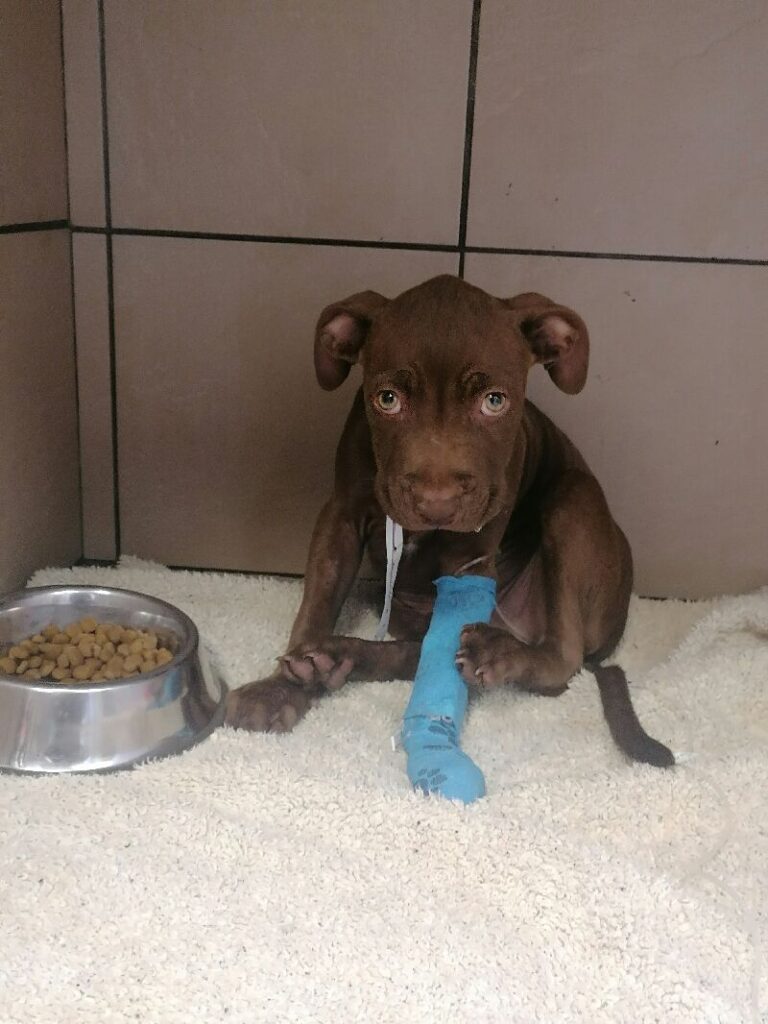
When Ragnar started showing signs of parvovirus, he was vomiting, developed severe diarrhea, was lethargic, and had no appetite. Within 24 hours of symptoms, he was hospitalized and placed on IV treatment.
Sick puppies need IV treatment to restore fluid loss caused by vomiting and diarrhea. Rsgnar’s fluid loss was severe, and he needed an IV to prevent dehydration. Even if your puppy is placed on an IV during the day and comes home at night, you must replace the lost fluids quickly, or they could go into shock. If you do bring your puppy home, they’ll need constant monitoring to protect them from dehydration. Only do this based on a discussion with your veterinarian.
Day 2 – 4
Ragnar was isolated from other animals and remained in the special parvo ward. Vets prevent walking through the isolation area, as the virus can be transmitted to other pets from your hands, shoes, or clothing if they are not properly disinfected. Visitation also depends on your vet clinic. Some practices may allow you to visit and interact with your puppy, while others do not, so be sure to ask if your pup or dog is hospitalized.
When the vet spoke to us about his condition on day 2, he wasn’t eating and had developed bloody diarrhea, but was not vomiting. On days 3 and 4, his condition was unchanged, and he’d go through bouts of diarrhea and vomiting, still not eating.
Day 5 – 7
After a week of Ragnar being in the hospital, he was still cycling through vomiting and loose stools. He remained on the drip throughout the day and night. He also received medication for pain and infection as the virus destroys the barrier in the intestine.
By the end of his first week in the hospital, Ragnar had lost more than half his body weight and was severely depressed. At that point, we removed him from the clinic.
While puppies with parvo will lose weight, some deteriorate a lot more than others. Vets may recommend feeding tubes for parvo puppies for nutrition to fight the disease. Unfortunately, this was far too costly for us, so we decided to treat him at home.
Day 1 at Home
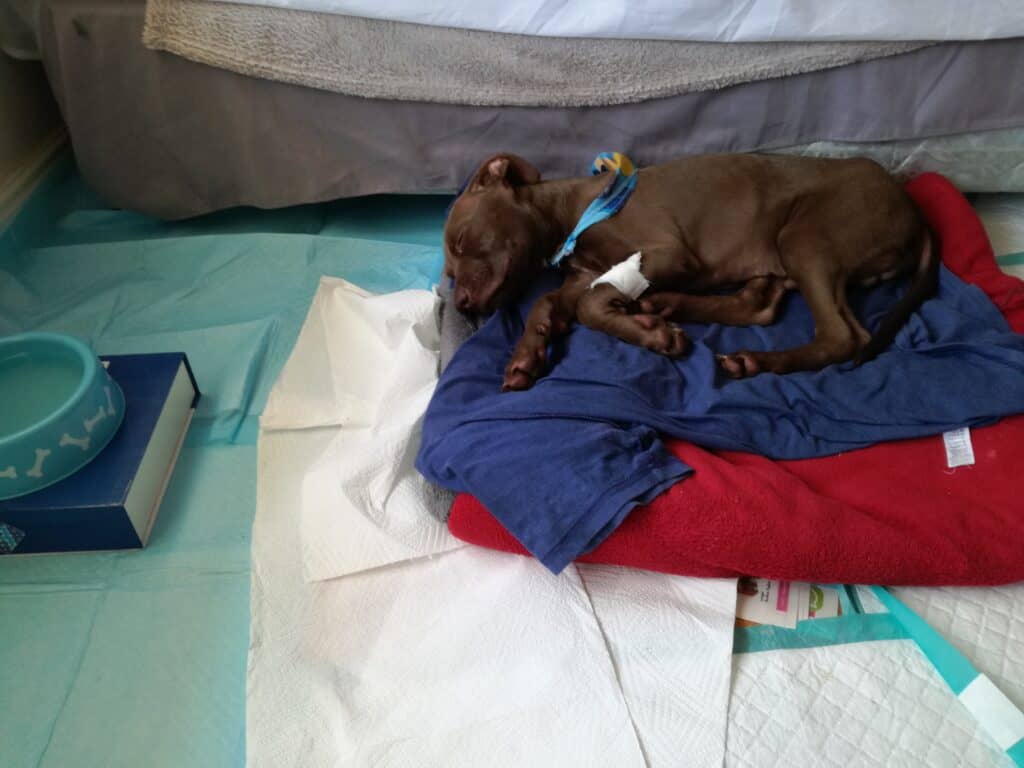
Ragnar’s recovery at home is a period in my life that I will never forget. He was a little bag of bones with bulging, pitiful eyes. He was so thin and malnourished that he no longer walked on the pads of his feet as his paws buckled under him.
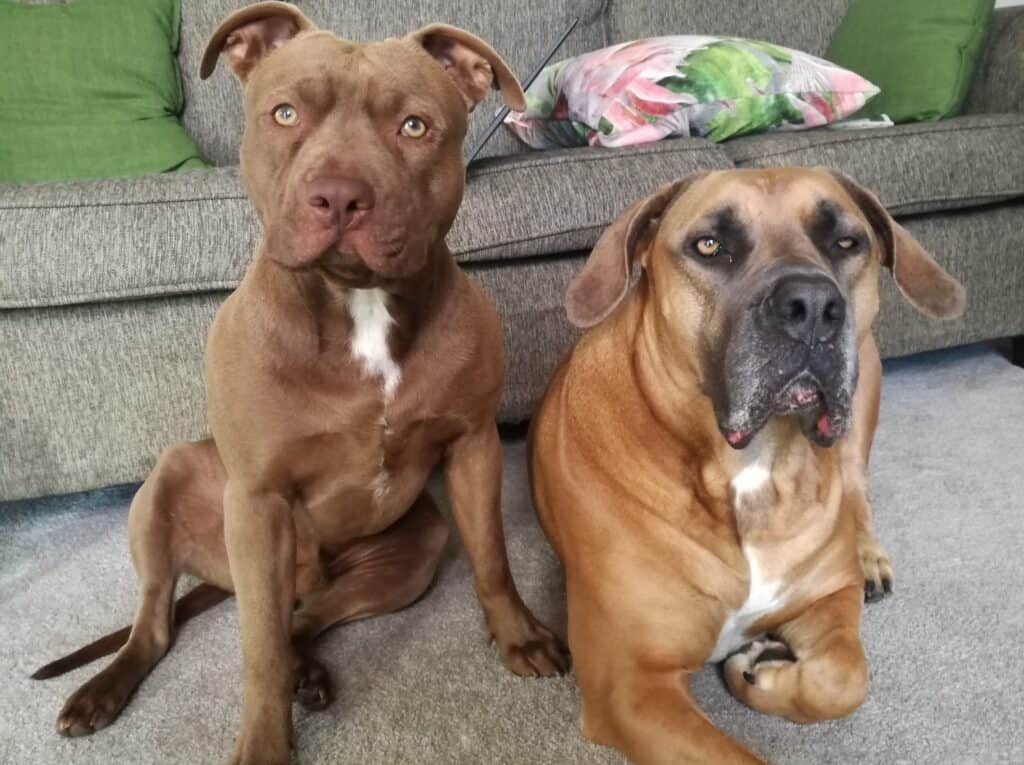
Ragnar was extremely nauseous, and even after drinking water, his body would reject it. Despite his condition, he would pine at the bedroom window, looking out when he saw his sister, Blueberry, my older Boerboel, in the garden, and loved to sleep with his head on your chest at night.
Feeding Puppies with Parvo
The next stage of his care was to get food into his ravaged body. We used a large syringe filled with Nutrabol, a liquid prescription food containing vitamins and minerals. To help with nutrition, I spoonfed blended cooked pasta, chicken, and pumpkin. I fed him full-cream plain or Greek yogurt that was easily syringed into his mouth. Plain yogurt is packed with probiotics, which are great for gut health.
While at the vet, little Raggy would shut his jaw when the veterinary nurse tried to feed him. This led to extreme weight loss. For dogs that shut their jaws, move the tip of the syringe into a gap between the teeth to get the food into their mouths. Then keep their mouth closed and lift their heads to encourage them to swallow. You can also open their jaw by holding their head in your hand and then using your fingers to gently press their cheeks and ‘pop’ their jaw open.
Once their mouth is open, you can squirt liquid food or water onto their tongue and not down their throat, which could risk getting fluid into their lungs. You can only try this if your puppy doesn’t fret or bite.
Day 2 at Home – Checking for Dehydration
By the second day, we soon realized how unprepared we were. Rags needed 24-hour care. He had to be fed 25 ml of water every 40 minutes to an hour to replace the fluids that he lost (this was determined by the vet based on body weight). He needed liquid food to make it easier to digest, but the problem was that even the water would come up, and he continued to experience diarrhea.
We read a helpful article about holding your puppy upright while feeding them to try to keep as much food down as possible. We filled a syringe with liquid food; one person supported Ragnar’s hind and back, while the other pushed the liquid food into his mouth. He then tried to get sick, but we kept him in this position. He moaned terribly but eventually made it past, bringing his food up. This was repeated a few times during the day to ensure that he received much-needed nutrition.
Unfortunately, we simply couldn’t keep up with the amount of fluid he lost and had to rush to the vet. We noticed that his gums became pale, and his skin wasn’t snapping back the way it would in a hydrated dog. A quick way to tell if they’re properly hydrated is to hold your finger against their gums. It should return to its plump state after releasing your finger. If it takes longer than 2 seconds to return to normal, they need more fluid. You can also pinch the skin on the back of their neck, and if it remains pinched, they’re dehydrated.
Back to the Vet
It was already day 9 since his initial diagnosis when he ended up at the vet. Later, we were told by a staff member at the clinic that a family with a German Shepherd puppy that had him on the drip for more than a week ran out of funds and had to have their dog euthanized. This is another aspect of parvo to consider. The cost of treatment is high when dogs are hospitalized.
How is Parvovirus Spread?
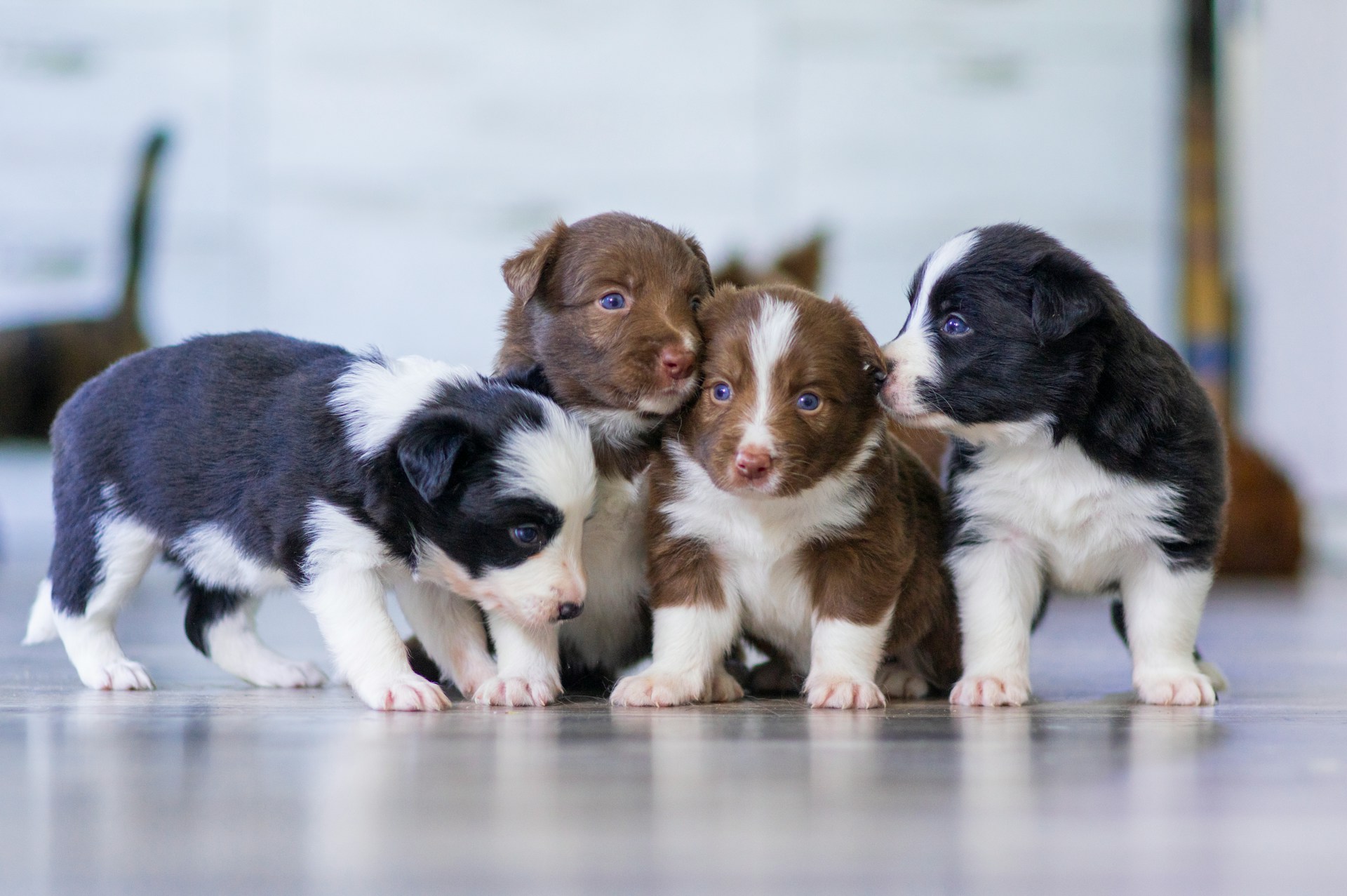
Parvo is spread when an unvaccinated puppy or dog comes into direct contact with contaminated objects and environments. The virus can remain active in soil for up to a year. Puppies that sniff or lick contaminated objects, including feces, will contract the virus.
The virus can spread on shoes and clothing. It can live on surfaces inside the home, which is the reason disinfecting your puppy’s environment is so important.
When taking unvaccinated young puppies to the vet, keep them in your arms or in a pet carrier/basket. Avoid placing them on the floor where they could be exposed to the virus.
How to Disinfect Against Parvo
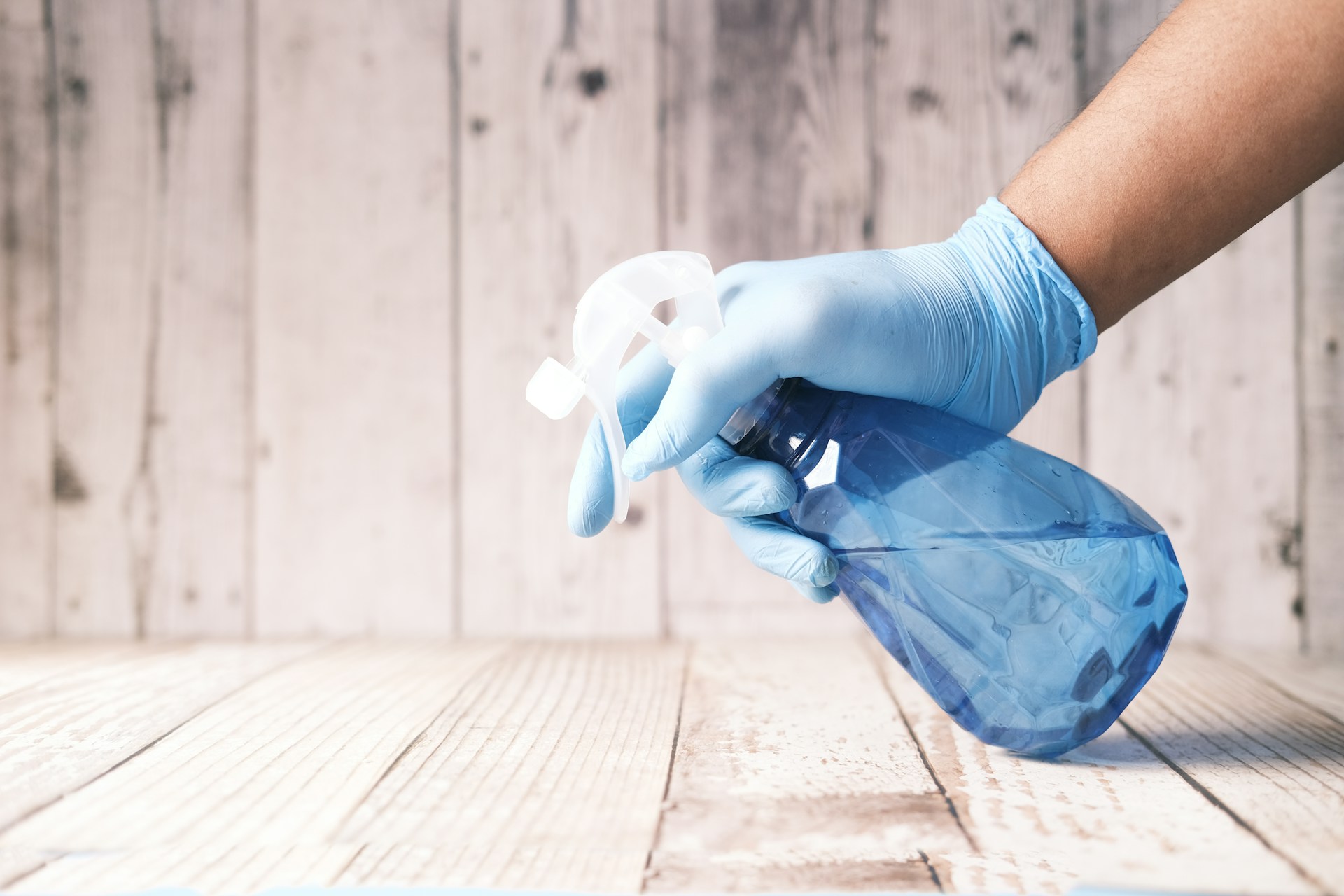
Parvovirus cannot be destroyed by heat or freezing temperatures. You can destroy parvo with bleach or products containing sodium chloride. You can use 1 part bleach to 30 parts water to disinfect surfaces, food, water bowls, and toys. If you aren’t concerned about color damage, bedding can be disinfected with this solution, too.
Because of its lifespan and resistance to changes in temperature and environments, pet owners who’ve had a puppy or a dog with parvo are advised against introducing a new puppy or unvaccinated dog to their home for at least a year.
Treating Puppies with Parvo
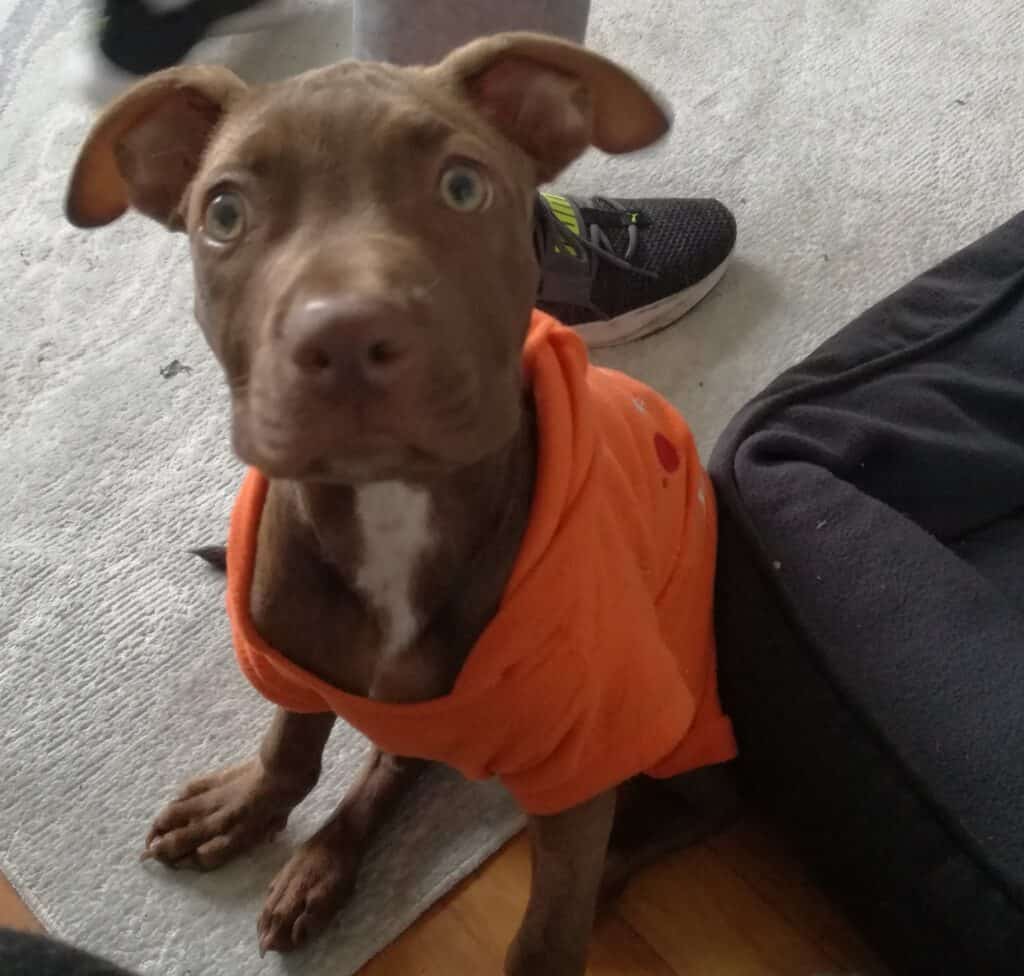
Veterinary Hospital Support
Most dogs, especially puppies with parvo, will not drink water or eat on their own, which increases their risk of dehydration and malnutrition.
Puppies with parvovirus receive IV therapy because it is the fastest way to get fluid into the bloodstream. IV therapy is also used to replace electrolytes and administer medication such as antiemetics and antibiotics.
When Ragnar’s condition seemed to worsen at the clinic, and he refused to eat, we removed him from the vet. Little did we know that he would dehydrate so rapidly; we ended up with an emergency. Another vet was willing to help us with a fluid bolus, which involved inserting the IV drip into the skin fold on his neck. The drip was slowly opened (as adjusted by the vet; this is very important) and formed a ball of liquid under the skin.
Within an hour, his body absorbed the liquid, and the ball disappeared. We could perform the bolus daily at home, which was a real blessing. If you can’t stay at home, it is better to hospitalize your puppy for IV day treatment and then collect them in the evening.
The Role of Nutrition
Ensure that your puppy is getting fed. The only way to give them a fighting chance is if they have the necessary nutrition. Visit them at the vet, and if the staff is struggling to feed them, offer to feed liquid food in a syringe.
The Merck Veterinary Manual suggests feeding puppies a low-fat and bland diet once their vomiting has subsided for at least 12 hours. Reintroducing food in small quantities is best. You can prepare foods like boiled chicken breast, rice, and cottage cheese.
For pets in recovery, consider placing them on a balanced and nutritious diet for dogs consisting of protein such as diced meat or shredded chicken breast. Include vegetables such as soft-cooked pumpkin or squash for fiber and vitamins. Lastly, introduce a supplement such as fish oil (high in omega-3 and -6 fatty acids) to improve their skin and coat.
Request Updates for Hospitalized Parvo Pets
Speak to your vet for updates on your pup’s condition. If you cannot see them in the clinic, ask for an updated picture of your puppy in the ward. This way, you can determine whether they are clean and receiving the necessary care.
Obviously, visiting them is always better because your presence can do wonders to lift their spirits and get them to fight.
Don’t Be Afraid to Ask for Help
Caring for a puppy with parvo is emotionally challenging. You’ll need help, so don’t be afraid to ask for it. Reach out to family or friends who are willing to help you or give you a break when you need it.
What You Need to Treat Parvo at Home
If your dog is stable enough to remain at home, it is important to be prepared. Isolate them in a room and line the floor with puppy training pads or newspaper to clean any messes. Then, place all soiled paper in a garbage bag and dispose of it immediately.
You’ll need the following items:
- Surgical gloves
- Puppy training pads (or lining you can place under the puppy and across the floor)
- Wet wipes and paper towels
- Garbage bags (toss soiled pads, towels, and newspaper immediately)
- Bleach solution (do not expose your pet to the bleach)
- Syringe for liquid food
Stock up on a roller towel or tissue paper to clean puppies who get sick. Wear surgical gloves and disinfect your hands before and after handling your pup. If you have other pets in the house, keep them away from your sick puppy. To avoid spreading the virus between the room and the rest of the house, keep a basin of disinfectant solution outside the room. Step into the solution each time you leave the room to destroy the virus on the soles of your shoes. You can also apply a disinfectant spray to the undersides of your shoes.
Supplements for Parvo Puppies
Treatment for parvo at home must include medication and support instructions from your vet. They need pain medication, prescription antibiotics, and a host of other meds to support their recovery.
Include supplements that offer nutrients to build their bodies. I used the Parvo-K Natural Remedy by Feel Good Pets to help with vomiting and diarrhea. An electrolyte solution was added to Ragnar’s water to replace minerals, such as sodium and potassium. A disruption in electrolytes can lead to extreme fatigue, poor muscle coordination, and compromised nervous system function.
Can Dogs Survive Parvo?
Without treatment, the mortality rate for parvo puppies is more than 90%. Treatment includes fluids, electrolytes, antibiotics, and force-feeding to prevent dehydration, malnourishment, and starvation.
Some puppies succumb to parvo, while others make a full recovery even in the direst cases. If your puppy has been diagnosed with parvovirus, take each day as it comes. Work with your vet and ask them about supplements to promote healing, improve their gut, and support healthy skin and hair.
No one can guarantee whether your dog or puppy will survive canine parvovirus. Some dogs experience more severe symptoms for a longer period than others, making it harder to overcome the disease.
Ragnar Today
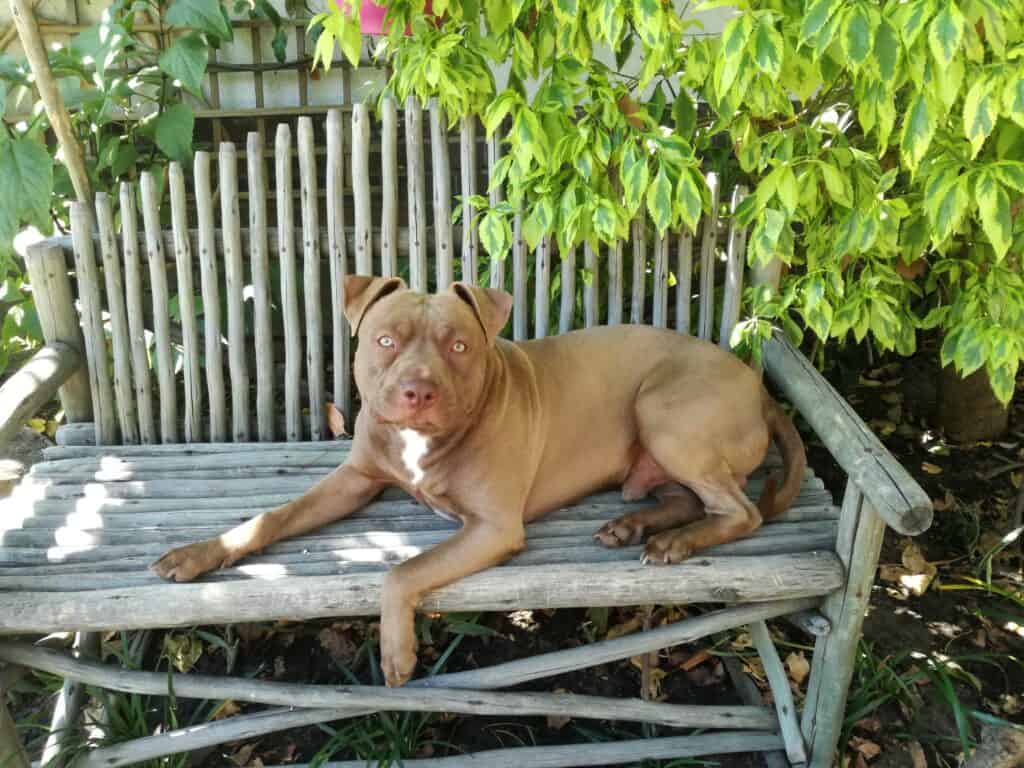
Ragnar’s turnaround happened when he was rushed to the vet for dehydration. His coat was dull and his gums pale, and he spent the night on the drip. The next morning, I received a call from the vet. Raggy was awake and nibbling the chicken and rice in his enclosure. He was at death’s door, and we prayed long and hard about his recovery. Our vet now calls him “miracle dog” because we were so close to losing him.
Stay Hopeful
If your dog or puppy is diagnosed with parvo, work with your vet and create a comprehensive treatment plan. Consider the costs, and please ask someone to help you with their care should you treat them at home. My thoughts are with you if your puppy is battling a parvo diagnosis.
This post reflects my personal experience with my pets. I am not a vet, so please don’t treat this as medical advice. Every pet is different—always check with your veterinarian before making changes to your pet’s health routine.
Proudly powered by WordPress
Leave a Reply