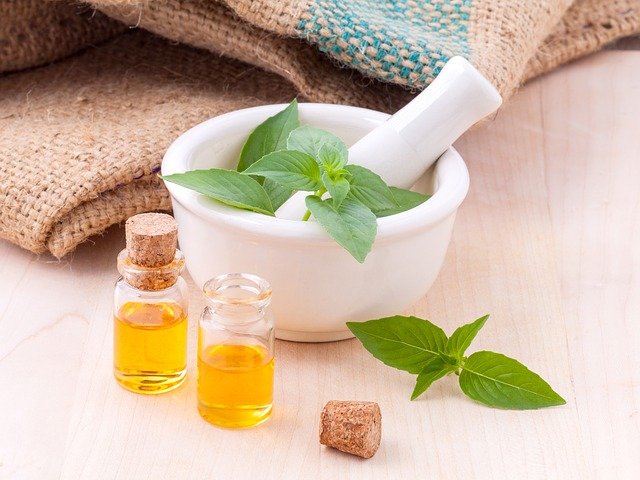
When your dog or cat is diagnosed with cancer, you’ll notice gradual changes in their appetite, energy, weight, and demeanor. To maintain their comfort for as long as possible, you can take steps to improve their quality of life. Naturopathy should be the next stage of their care.
Strengthening the immune system is the first line of defense against cancer and other types of diseases. This is where natural cancer support for dogs and cats can play a vital role. This approach consists of nutritious food, essential oils, and “non-invasive” means of healing. It’s holistic therapy, which focuses on supporting the whole body and not the symptoms alone.
My page on naturopathy for pet cancer breaks down some of the most powerful nutrients that are safe for ailing cats and dogs. From coconut oil and turmeric to vitamin C, this guide will introduce you to several ingredients to slow the progression of cancer, improve energy, and ease pain. The added benefit is that these products are cost-effective, and you can find most of them at your local health store. I share my old girl Sasha’s experiences with these remedies (recommended by a holistic veterinarian), and wish to give you some hope for your pet’s cancer journey.
Safe Essential Oils for Dogs and Cats
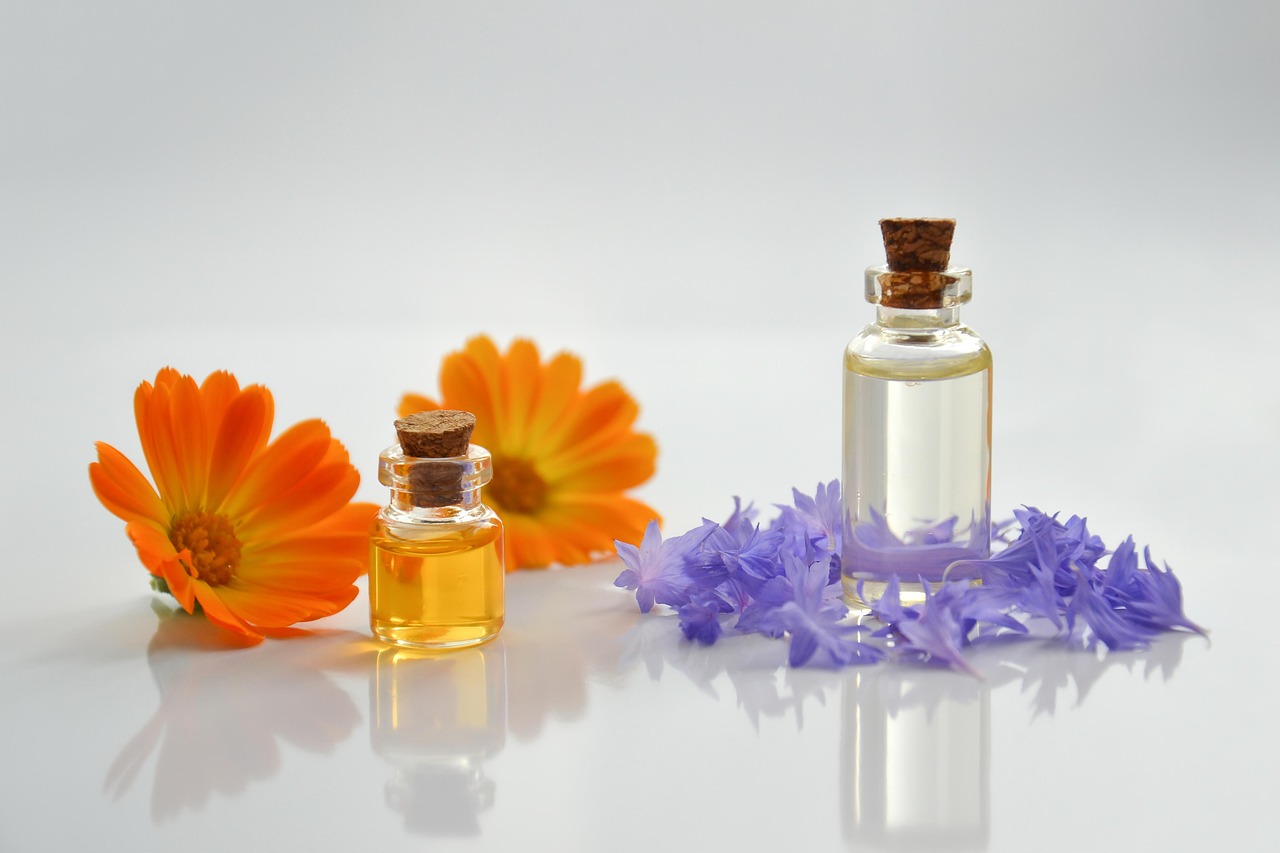
I’ve had quite a few people ask about essential oils for cats and dogs because they provide such great benefits for people. Essential oils consist of natural compounds found in plants. They range from fragrant potpourris to herbal remedies. And if you’re wondering why essential oils are part of natural therapy for pets, they offer immense benefits from fighting inflammation to healing irritated skin.
But before you reach for that bottle of citronella or clove, they can be harmful for your furry companions if used incorrectly. For example, citrus, tea tree, and peppermint are too harsh for cats and dogs. Exposure to these oils can cause vomiting and even respiratory trouble in pets.
The following pet-friendly list of essential oils can be incorporated into a healthcare plan for cancer, arthritis, allergies, and immunity:
- Rosemary – antibacterial, tick, and flea repellent
- Lavender – relieves itchy skin and calms anxiety
- Myrrh – reduces skin inflammation
- Ginger – eases pain and inflammation
- Chamomile – anti-inflammatory
Be sure to avoid these essential oils that are considered unsafe for dogs and cats:
- Peppermint
- Lemongrass
- Pine
- Cinnamon
- Any type of citrus
Sasha’s Anti-Cancer Regimen
My girl Sasha was given what I like to call a little “cancer-fighting package” from her holistic veterinarian, consisting of potent immune boosters and healing agents such as turmeric, coconut oil, coenzymes, and vitamin C. I wish to share these holistic recommendations with you, along with their dosages, so you can also prepare a cost-effective wellness package for your pets.
While the package was prescribed for her mast cell cancer, the ingredients that I discuss can help all pets fighting infections, inflammation, or even allergies. So, look into the best options for your dog or cat and speak to your veterinarian about natural therapy for your fur baby.
Turmeric
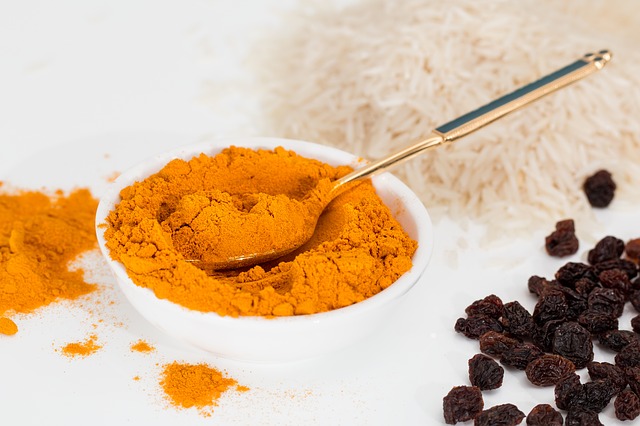
Turmeric contains curcumin, which can slow the progression of cancer. It is also a powerful antioxidant that protects healthy cells while reducing inflammation. Furthermore, turmeric protects joints against cartilage damage, promotes heart health, and improves liver function.
Some pet owners claim that applying turmeric to cancerous tumors can shrink the masses. Interestingly, a skin cancer and turmeric study performed on mice showed reductions in tumor size, whether turmeric was ingested or applied topically. However, the best results were achieved when the powder was consumed.
If you are going to use turmeric topically, test a small area on the skin first. Sasha developed mild irritation on her leg after the paste was applied. So check for signs of redness or swelling and discontinue if skin changes occur. If your pet has mast cell cancer, do not rub or massage the tumor, as you will cause the release of histamine.
Dosage:
For medium to large dogs, start with 1/4 teaspoon of organic turmeric powder for every 10 lbs of body weight. Mix the turmeric with coconut oil to improve absorption.
For cats, provide turmeric in very small doses. Start with an eighth of a teaspoon of powder daily for a weight of up to 10 lbs.
Coconut Oil
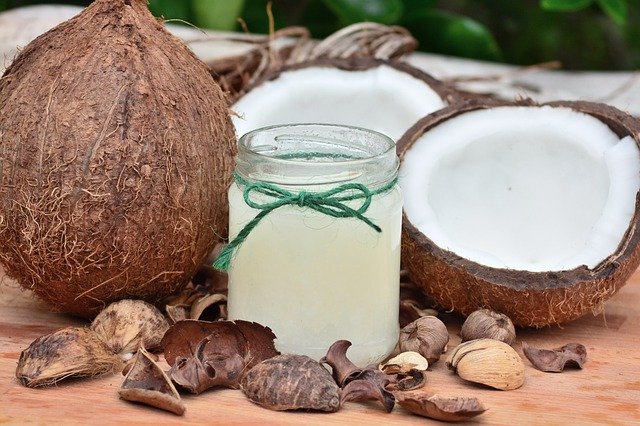
Organic coconut oil in its purest form boosts the immune system and nourishes your pet’s skin. It contains lauric acid, which is an antioxidant with antimicrobial compounds. Surprisingly, lab research involving lauric acid showed anti-cancer effects. I currently feed Roxy-Mae (my boerboel) a desert spoon of coconut oil every alternate day. She’s prone to allergic reactions, so the coconut oil helps soothe dry skin and promote hair growth.
Dosage:
Prepare 10 ml of softened organic virgin coconut oil for medium to large dogs and 5 ml of coconut oil for small dogs.
Adult cats should be fed 1/4 teaspoon of coconut oil per day. This can be increased to half a teaspoon.
Buffered Vitamin C
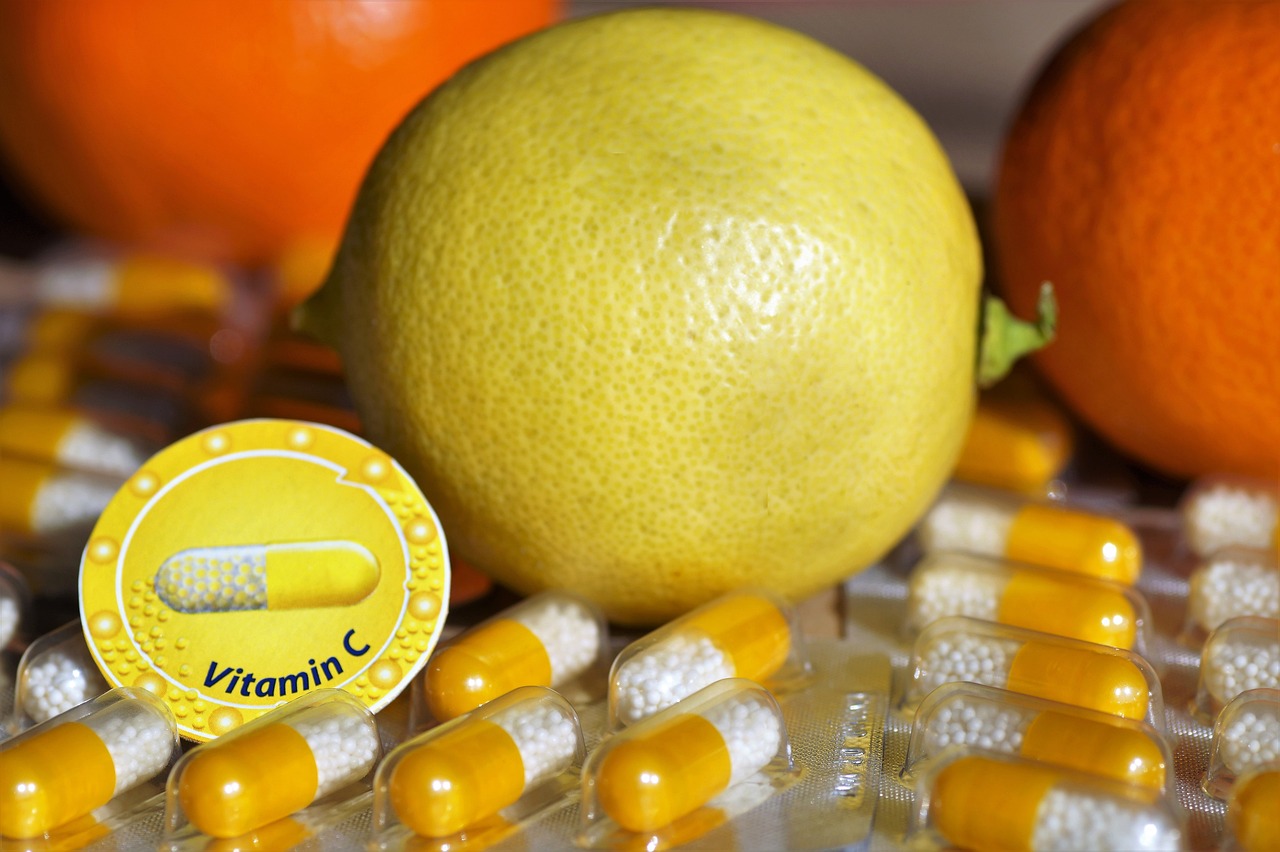
Vitamin C is one of the most potent vitamins to increase immunity. In fact, studies involving cancer and vitamin C have shown promising results in people. High doses of ascorbic acid can slow the progression of cancer cells, with benefits including improvements in energy and appetite.
Sasha received intravenous vitamin C and oxygen therapy from a holistic veterinarian. I can confidently say that she was more energetic, perked up, and was more interested in food after her sessions. Sasha received intravenous vitamin C every third week, which was around R2000 ($115) per treatment (2016-2017). Unfortunately, the therapy became too expensive to continue, and Sasha struggled with joint stiffness because of the long drive to the clinic.
For pets to benefit from vitamin C, they can only consume a water-soluble or buffered ascorbic acid. They are unable to digest the insoluble or regular form of vitamin C. Sasha was prescribed Solal ascorbic acid by her holistic veterinarian.
Dosage:
Buffered vitamin C is available in powder and capsule forms. If you choose capsules, don’t just empty the entire capsule onto your pet’s food! As I always say, start slow and underdose to avoid stomach upset and irritation.
For dogs, the recommended dose of vitamin C is generally the 1000mg formula for large dogs and 250 mg for small dogs. Start with half a capsule for medium to large dogs, and a quarter capsule for small dogs. Do not give your dog a vitamin C supplement every day.
I would exercise caution when giving cats vitamin C. Too much ascorbic acid will lead to kidney stones in felines. Ask your vet about suitable dosages of vitamin C for cats and whether it is safe for their long-term health.
Remember that feeding too much vitamin C too quickly will cause soft stools and diarrhea. Always introduce supplements slowly and build up to the recommended dosage based on your pet’s body weight. For more information on the benefits and correct dosages of vitamin C to fight cancer in pets, be sure to check out my blog.
Fish Oil
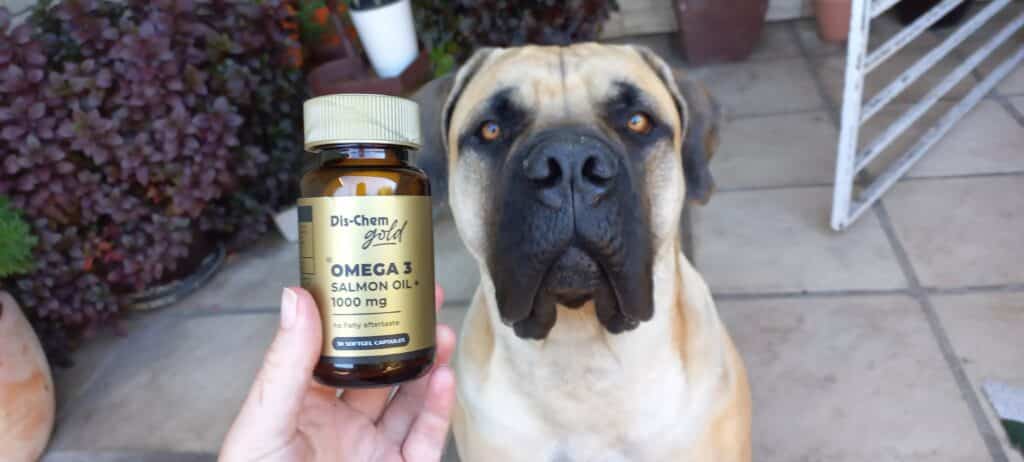
The fatty acids in fish oil have anti-inflammatory properties and strengthen the immune response against cancer. Both dogs and cats can receive fish oil, including salmon oil.
Coenzymes
Coenzyme Q10 is an incredible antioxidant supporting the immune system. It is a necessary part of natural therapy for pets with cancer because it protects healthy cells, especially for pets on chemotherapy.
Look for products such as alpha-lipoic acid. The antioxidant LPA is a promising compound known to inhibit tumor cells.
Vitamin Supplement
My vet created a vitamin tincture consisting of vitamins A and D that I could administer as a liquid through a dropper. Sasha received 3 to 5 drops per day without any fuss!
Vitamin D reduces angiogenesis, which means that it minimizes the blood supply to tumors. Be sure to discuss suitable vitamin tinctures or supplements with your vet.
Hemp Seed Oil and CBD Oil for Pets
I always encourage full-spectrum oil for pets with pain and cancer, but if you want the benefits of cannabidiol compounds without the risk of your pet getting high, then hemp oil is a good choice. Hemp oil contains no psychoactive properties, and you can find cold-pressed products at a regular health store.
Whether your dog or cat is fighting cancer, recovering from surgery, or battling an infection, natural therapy should be part of their journey. I always encourage you to discuss these ingredients with your vet and to make your own decisions regarding their well-being.
This post reflects my personal experience with my pets. I am not a vet, so please don’t treat this as medical advice. Every pet is different—always check with your veterinarian before making changes to your pet’s health routine.