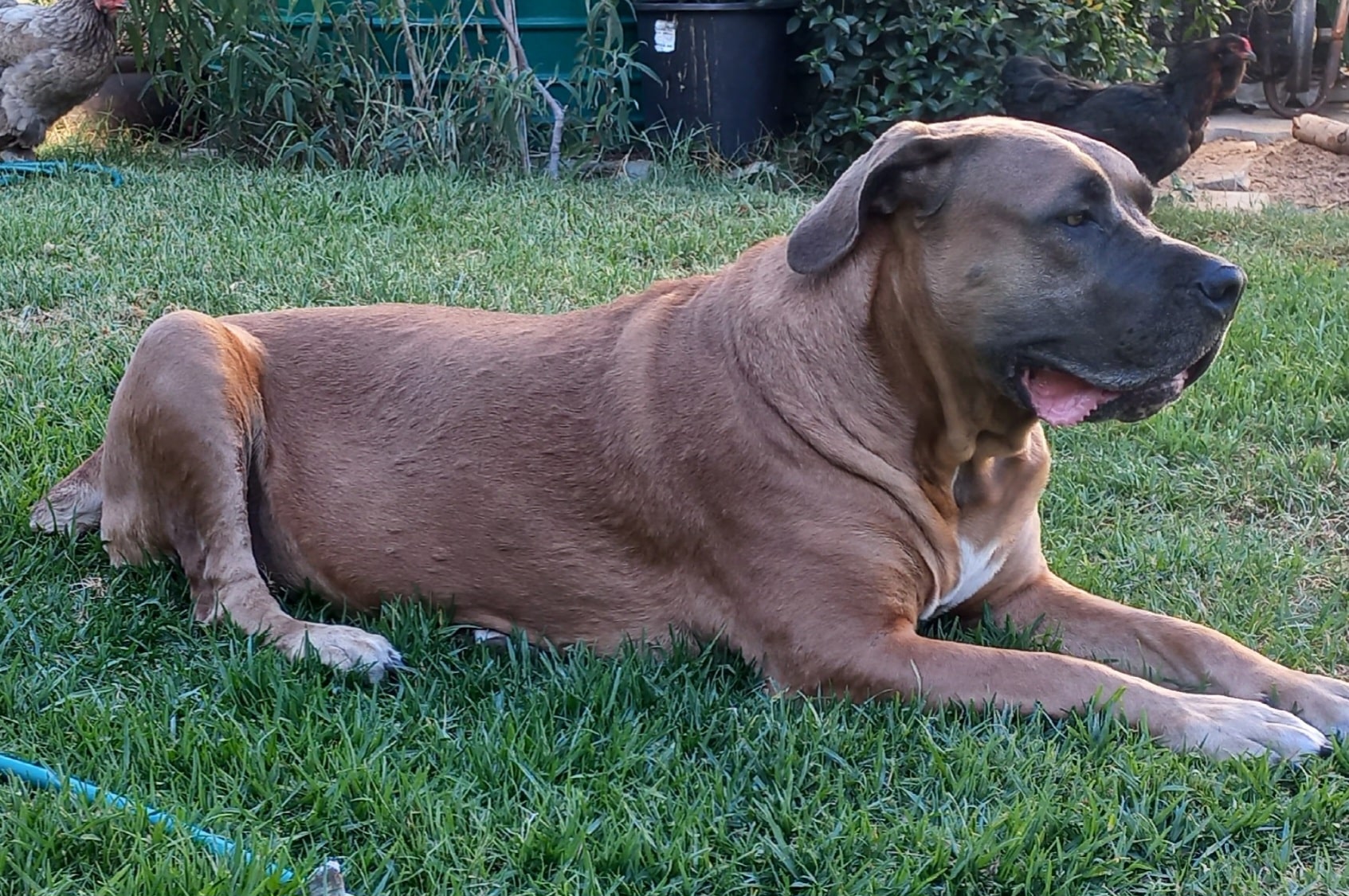
I swear, sometimes it feels like my dogs have been through it all. Whether chemotherapy for cancer or CCL surgery, I’ve experienced long nights, surgeries, and very high vet bills. But one of the most frustrating of these conditions is chronic skin allergies.
Scratching, dry skin, and hair loss are the telltale signs of skin allergies in dogs. And, apart from those annoying hot spots, your fur baby might have crusty eyes, a dry, cracked nose, and constantly sneeze.
I started by changing Sasha’s food, and then she was prescribed cortisone to manage the inflammation and itchiness. That just led to major weight gain! While it helped with the itching, I think that the course was too long and the added weight was terrible for her joints.
So, what is the answer when your dog is dealing with endless skin problems?
Let me share something with you: there are definitely incredible benefits to incorporating natural supplements for pets with allergies. From the hydrating properties of fish oil to the anti-inflammatory effects of vitamin C, combining these supplements can soothe, reduce, and manage chronic skin conditions.
In this guide, I discuss my experience with fish oil, coconut oil, and vitamin C for Sasha’s hot spots and Blueberry’s dry, itchy patches. In addition to the best supplements for skin allergies in dogs, I explore tips for hair regrowth and which shampoos to use for dogs with sensitive skin.
What is Causing Your Dog’s Skin Allergy?

Before you can create an action plan to tackle your dog’s irritating allergies, you must get to the source. Is it food-related, or do they only itch and scratch with a change in season? In Sasha’s case, her allergies were food-related. She couldn’t tolerate poultry-based dog food. Throughout her life, she would have bouts of gastrointestinal upset, and her hair would fall out, and all I’d do is change her food. I didn’t think that a specific ingredient in those commercial foods was causing her symptoms. But each time I tried a different dog food brand, the cycle of stomach issues continued. After talking to my vet, we realized that chicken or other poultry was triggering Sasha’s allergic reactions and affecting her skin.
Of course, this doesn’t mean that every skin issue or allergy is food-related. So, let’s look at the most common causes of skin problems and allergies in dogs.
1. Food Allergy
Up to 20% of skin allergies in dogs are food-related. In many cases, chicken and large amounts of corn are the culprits. In other instances, additives, artificial flavors, and corn can cause skin and digestive irritations.
Common food allergies or intolerances in dogs include:
- Itchy skin
- Loose stools
- Flaky skin
- Patches of hair loss
- Flatulence (lots of gas)
- Weight loss
- Hives (small bumps that disappear after a day or 2)
- Vomiting
So, how do you know whether your pooch’s skin problems are food-related? Start by isolating what your dog eats. Do they develop sudden symptoms, such as hives or loose stools, after eating certain treats? Place them on a kibble that doesn’t have chicken as the main protein. I’ve placed my boerboels, Sasha and Blueberry, on beef, lamb, and fish and potato kibble, which helped firm their stools and alleviate many of their skin issues. However, in addition to changing their primary diet, I also added supplements, which improved their skin and hair growth.
And remember, before switching to a different food brand, introduce the new kibble gradually. Even if you transition to a raw diet, it should be gradual. This way, you avoid upset tummies!
2. Flea Allergy
Apart from food and grasses in your garden, fleas can also cause skin issues. A flea allergy in dogs causes hair loss, redness, and itchiness. Always treat your dog for fleas so you can rule out the possibility of these tiny parasites wreaking havoc in your pet’s life.
3. Environmental Allergy
Some pets are prone to allergic reactions when exposed to pollen, dust, and grass. An environmental allergy is associated with dry and itchy skin, sneezing, crusty eyes, wheezing, and a very dry nose. I know that it’s completely impractical to try to eliminate all of the outdoor triggers, but you can manage the severity of their symptoms with medication and supplements.
To help pets with environmental allergies, build their immune systems. Strengthening their resistance makes them less susceptible to severe symptoms and secondary infections.
Check for Skin Abnormalities
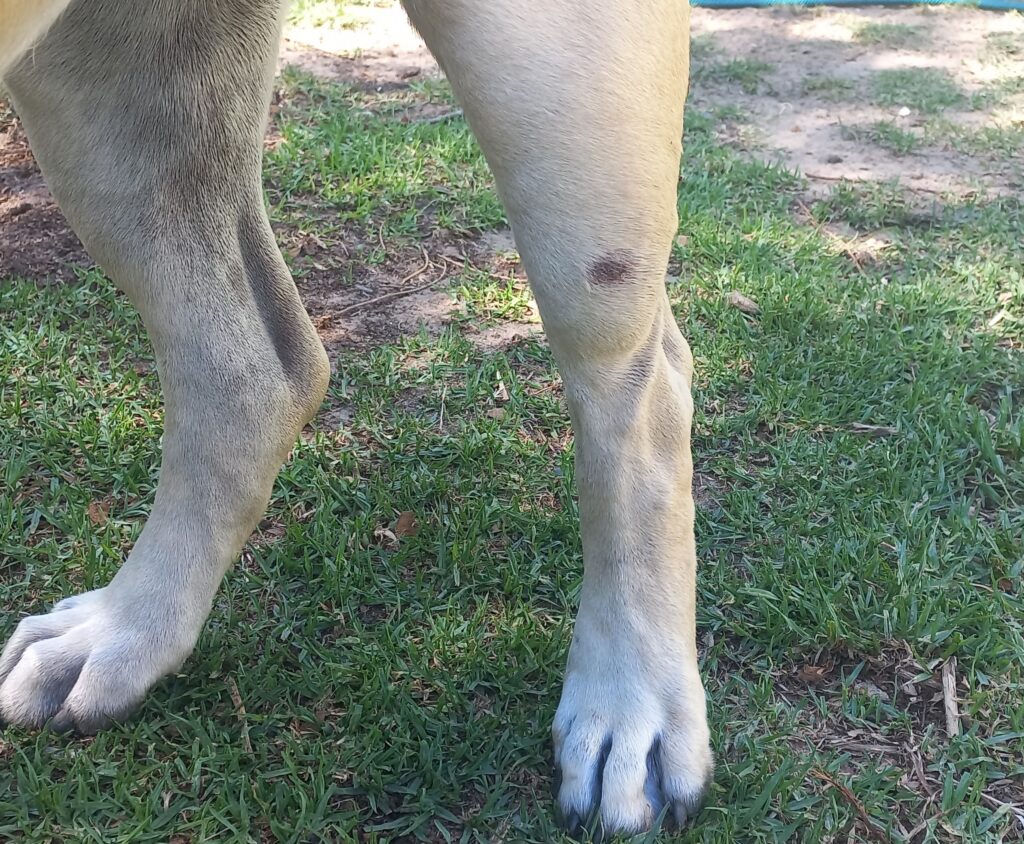
With age, dogs can develop warts, discoloration, and lumps on their skin. My advice is to pay attention to these changes. While not every bump means cancer, masses that tend to swell or don’t go away over a 2 to 3-week period should be examined by your vet. One of the most common skin cancers in dogs is mast cell cancer, which starts with a lump or wart that spreads over time.
Sadly, Sasha fought mast cell cancer from the age of 8 years old. My current girl, Roxy Mae, a really rambunctious boerboel, seems to have developed intolerances and will break out in small bumps after eating a plant in the garden or spicy food. In the above image, one of these bumps had scabbed over. It was tested by our vet and turned out to be a keratin cyst, thank goodness!
Effective Supplements for Skin Allergies in Dogs

To ease Sasha’s symptoms, I decided to move away from the steroids and find a natural way of easing the itchy and red skin. This led to extensive research into supplements that nourish and regenerate the skin while building immunity. I wanted to know if there were ingredients that could combat inflammatory reactions and reduce irritation. At this stage, I placed Sasha on vitamin C for her immune system, along with coconut oil, zinc, collagen, and salmon oil (fish oil) for her skin.
I) Coconut Oil

Coconut oil is so easy to use, and as a versatile ingredient, you can apply it directly to the skin or onto food. This particular oil is so good for skin because of its lauric acid, which is antimicrobial, anti-inflammatory, and protects the skin’s natural barrier. It’s particularly helpful for dry and flaky skin.
II) Salmon Oil or Fish Oil

Fish oil is another beneficial supplement for dogs with skin allergies. The oil contains omega-3 fatty acids with high amounts of EPA and DHA. Both EPA and DHA reduce inflammation and lock in moisture while protecting the skin barrier.
What makes fish oil so beneficial in the treatment of allergies is its immunomodulatory effect. Immunomodulation means it regulates the immune system. Because an allergic reaction is an inflammatory response, introducing anti-inflammatory supplements can reduce chronic and severe reactions. It also relieves itchiness, preventing the vicious cycle of scratching and skin damage.
In addition to its anti-inflammatory properties, a daily dose of fish oil will promote soft, shiny, and smooth hair.
III) Vitamin C

Not only do I recommend vitamin C for cancer in pets, but also for managing chronic allergies. Vitamin C is packed with antioxidants, protecting against free radicals and cell damage. It works to reduce inflammation and strengthen the skin barrier.
You might be surprised to learn that vitamin C acts as a natural antihistamine. When your pet’s body reacts to an allergen, the vitamin works to reduce the histamine responsible for itching, inflammation, and even digestive upset.
Lastly, because vitamin C boosts the body’s defense mechanisms, it strengthens and regulates the immune system against allergies. This means that your pooch can better cope with allergens and, in most cases, prevent secondary infections because of their immune strength.
Important Note!
Dogs cannot consume regular vitamin C or ascorbic acid. They must receive water-soluble or buffered vitamin C. Start with a smaller dose based on body weight and reduce it if you notice digestive problems.
Avoid Harsh Shampoos with Allergy-Prone Dogs

Two of my dogs developed bald patches after using a shampoo that severely irritated their skin. One was a herbal shampoo with a very strong fragrance, and the other was a tick and flea shampoo. It took months for the skin to heal and hair to grow back. When your dog has skin allergies or sensitivities, don’t use lavender, chamomile, tea tree, or herbal products because they can inflame the skin.
The Best Shampoos for Allergy-Prone Dogs
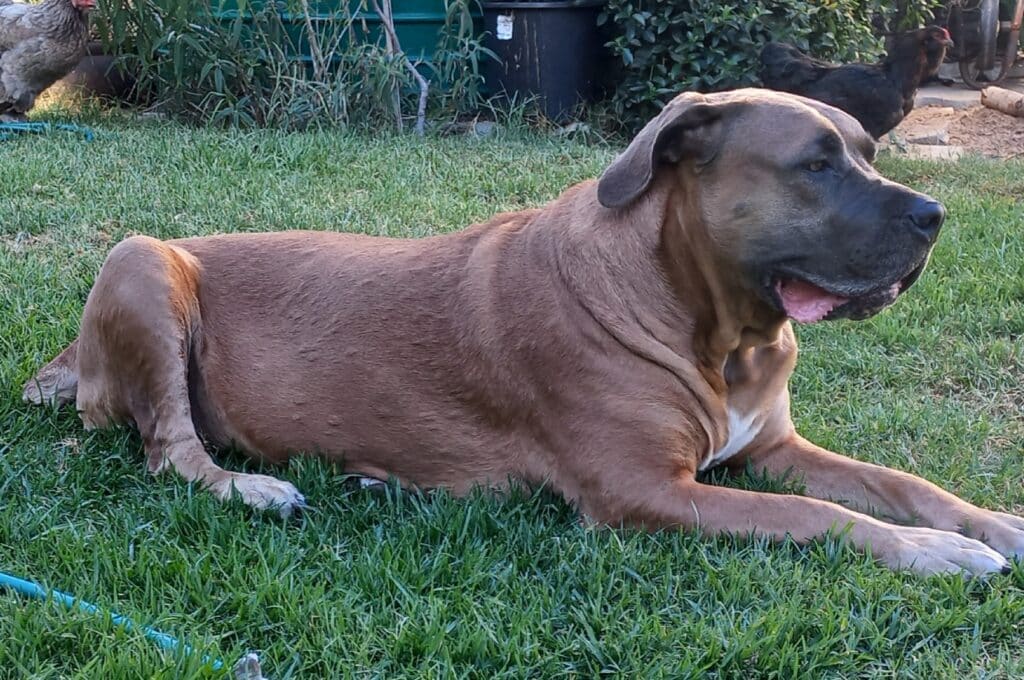
I suggest using oatmeal-based shampoo or baby shampoo. I’m currently using regular baby shampoo on Roxy-Mae, and I haven’t had any issues with her skin because it’s so mild. When Blueberry broke out in hives after a herbal shampoo, I washed her with an oatmeal-based shampoo, and in no time, the skin healed and the hair grew back. But that wasn’t the end of Blueberry’s skin woes.
After her chemotherapy, she contracted a skin infection and was prescribed Malaseb, a medicated shampoo. It was a long road and took months before improvement. If your dog develops a fungal (yeast) skin infection, you can try over-the-counter products like anti-fungal shampoos. Ultimately, you’ll need a prescription from your vet, who can test for the specific bacteria or fungus affecting your dog’s skin.
How to Get Your Dog’s Hair to Grow Back

If your dog has patches of missing hair and flaky or scabby skin, I suggest adding supplements with weekly rooibos rinses. Rooibos tea is a South African favorite known for its sweet aroma and taste, but most importantly, rooibos has antioxidants and zinc. For the skin, rooibos can decrease inflammation. Zinc will minimize bacterial growth while supporting skin regeneration.
I would prepare a rooibos rinse by steeping teabags in a 5-liter bottle filled with lukewarm water. Once the water turned a deep amber color, I’d pour the tea over my dog’s back, legs, and problem areas and then pat them dry with a towel. No rinsing with water afterward. If your dog has a fair amount of hair loss and itchiness, I suggest a rooibos rinse at least twice a week.
For bald spots, rub a small amount of coconut oil onto the affected areas once daily or every second day.
When to Use Cortisone for Skin Allergies in Dogs

Persistent scratching and biting at the skin may require a trip to the vet. Some dogs benefit from a short course of cortisone to relieve itchiness and histamine in the body. As a recommendation, I’d avoid the prolonged use of cortisone to control your dog’s skin allergies because of its side effects. Some of the unpleasant side effects of cortisone in dogs include rapid weight gain, constant hunger, frequent urination, and restlessness. It also thins the skin and increases the risk of diabetes.
Should your dog need cortisone for their skin allergy, combine it with fish oil, coconut oil, and a nutritious diet. It’s all about finding balance between conventional medicine and natural remedies, and you should easily be able to discuss this with your trusted veterinarian.
How to Control Your Dog’s Skin Allergies

Dealing with your dog’s constant itching, patchy skin, and dull coat is an absolute nightmare. I’m all too familiar with the trials of changing food and using different shampoos to provide them with much-needed relief. Not only is it frustrating for you and your pet, but it can also become costly as you try to find a long-term solution.
The best place to start is determining where the allergen or trigger is. Is it the food, or could seasonal pollens be causing changes in their skin? Once you can control the allergen, you need to get the inflammation, responsible for the itchiness and hair loss, under control. This is where a regimen of supplements, such as fish oil, offers the greatest benefits for dogs with skin allergies. Focus on strengthening your dog’s immune system with nutritious food. If your fur baby’s hair looks dull and patchy, adding coconut oil and fish oil to their meals will restore supple skin and a glossy coat.
Share Your Experiences and Remedies
It may take some time, but I used the above-mentioned supplements, rinses, and food changes, which greatly relieved the skin issues in my dogs. If you have any suggestions for foods, supplements, or products that have helped your dog’s skin allergy, feel free to share them with me so we can continue helping other pets and their pawsome parents!
This post reflects my personal experience with my pets. I am not a vet, so please don’t treat this as medical advice. Every pet is different—always check with your veterinarian before making changes to your pet’s health routine.
Proudly powered by WordPress
Leave a Reply