The histamine released by cancerous mast cell tumors (MCTs) wreaks havoc on your dog’s body. Chronic itchiness, inflammation, and, not to mention, deadly anaphylaxis are all terrible symptoms that are managed with medication, such as antihistamines and cortisone. But what many pet parents don’t realize is that certain types of foods contain high levels of histamine that contribute to these problems.
The purpose of a mast cell tumor dog diet is to help your fur babies cope with the chemicals released by the cancer. Certain types of foods and supplements can also relieve skin issues and boost your dog’s immune system against MCTs. In this guide, we explore the dos and don’ts of a low-histamine diet for dogs with mast cell cancer, along with steps you can take to improve the well-being of your pets.
Why Histamine Matters in Mast Cell Cancer

A mast cell tumor is a form of skin cancer affecting both dogs and cats. They usually appear as bumps or small nodules on the skin, but because they tend to change shape and size, MCTs can be tricky to detect.
One of the worst effects of these tumors is their release of histamine and heparin. These chemicals wreak havoc on the body by causing allergic reactions and the development of stomach ulcers. You can learn more about MCTs in dogs here.
The reason for a low-histamine diet is to help your dog cope with the chemicals released by the tumor. Unfortunately, certain types of foods, including dry dog foods and yogurt, are high in histamine, adding to the overall load on your fur friend’s system. Taking steps to control the histamine in their bodies can ease irritating and even life-threatening symptoms.
Key Benefits of a Low-Histamine Diet for MCT
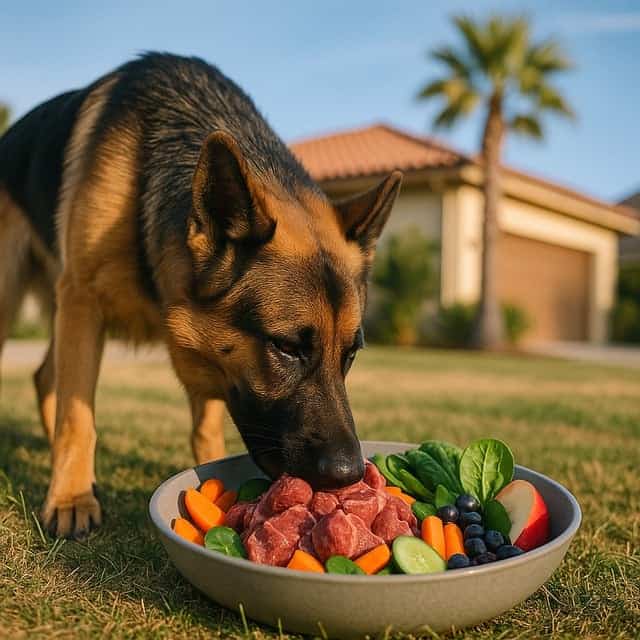
A low-histamine diet for dogs with mast cell cancer provides the following benefits:
Reduces Inflammation
With less histamine, there’s less inflammation! This means that your fur baby’s risk of developing severe ulcers, digestive problems, itchy skin, and other types of allergic reactions is significantly reduced.
Slows the Tumor’s Growth
A low-carbohydrate diet will not feed the tumor. Remember that mast cell cancer loves carbs because it consumes sugar for growth. You can support your dog’s metabolism and slow the rate of the cancerous tumor’s growth by introducing high-protein diets.
Relieves Itchiness
A major issue with histamine and inflammation is chronic itchy skin. You’ll notice licking, biting, and ongoing scratching, often leaving your fur baby with bare patches and irritated skin. Reducing the amount of histamine through medication and diet can offer a significant amount of relief. You can also learn more about managing skin allergies in dogs, where I list supplements and supportive shampoos (used on my pets) to soothe inflamed and angry skin.
Reduces Restlessness and Digestive Upset
High levels of histamine in the body will cause insomnia and restlessness. My routine for Sasha included a nightly dose of full-spectrum CBD and THC to help her sleep. She would pace through the house at night, constantly panting, so providing the THC oil gave her much-needed relief.
Many dogs with mast cell cancer experience ongoing digestive problems, from nausea to runny tummies, because of the release of histamine. You can add high-fiber vegetables and grains, such as brown rice, to help bind their food and aid digestion. If your fur baby’s digestive issue lasts for more than a day, purchase supportive products like Diomec. Diomec contains prebiotics, electrolytes, and ingredients to stabilize the digestive system. It worked wonders for Sasha, so I have to recommend it! But remember, if your dog’s bathroom issues persist beyond 24-48 hours, you must contact a vet.
Do’s and Don’ts for Feeding a Low-Histamine Diet

Do: Always feed dogs with mast cell cancer fresh foods. When food sits for long periods, it increases histamine levels.
Don’t: Do not feed leftovers that you’ve refrigerated. Instead, cooked foods must be frozen and thawed before serving.
Do: Feed cooked meat instead of raw. Cooked meat has fewer bacteria responsible for producing histamine.
Don’t: Be sure to avoid canned or processed foods that are usually high in histamine. This includes peanut butter, which is not recommended for dogs with MCTs.
Low-Histamine Foods (The “Yes” List)
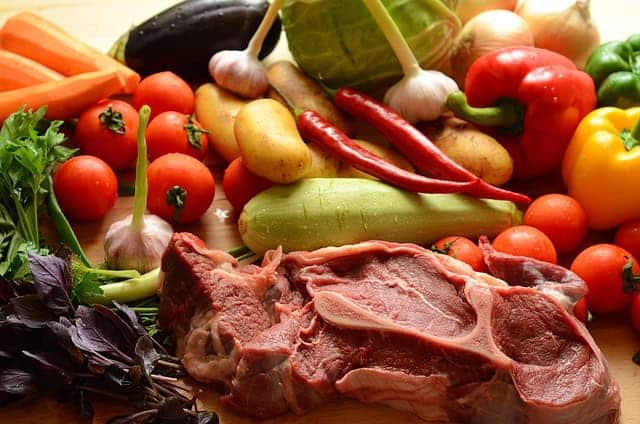
Now that you’re more familiar with the reasons for introducing a low-histamine diet for dogs with mast cell cancer, let’s look at specific types of foods you can easily prepare.
Proteins
You can feed freshly cooked lamb, turkey, chicken, and duck. I know that raw diets are usually recommended to fight cancer, but when you’re dealing with mast cell cancer, it’s best to cook the meat. You can steam, boil, or fry meat in a healthy medium such as coconut oil.
Vegetables
Not all dogs are fans of vegetables, but if you can disguise them in your pet’s meals, be sure to add zucchini, broccoli, and sweet potato. Broccoli is a cruciferous vegetable, which means that it contains large amounts of fiber and cancer-fighting compounds. I would also recommend sweet potato and green beans for dogs with digestive upset. Sasha experienced frequent bouts of digestive issues, and I remember including sweet potato and squash in her meals, which soothed her runny tummy.
Fruits
Blueberries, apples, pears, and apricots are a few low-histamine foods for dogs with MCTs.
Grains
Millet, quinoa, and white rice are recommended grains for an anti-histamine diet.
Fats
You can add coconut oil, fish oil, or olive oil to your dog’s daily meals. I usually add a dessert spoon of coconut oil and one or two fish oil capsules because they’re excellent for dry, patchy, and itchy skin.
If your fur baby isn’t overweight, you can also fry the fat found on certain cuts of lamb and add it to their meals as a treat. I’ve learned that bits of fried fat are irresistible to dogs and an easy way to get them to eat their food. Because treatments such as chemotherapy for dogs can cause nausea and poor appetite, getting creative with healthy treats is a must. The aroma and oiliness of fried or cooked fats are sure to get them licking their lips!
The Best Supplements for MCT Management

Fish oil is a great supplement because it is rich in Omega-3 and Omega-6 fatty acids, helping reduce inflammation and nourish the skin. Be sure to purchase molecularly distilled or pure fish oil. Some pet owners prefer krill oil, as it contains less histamine than regular fish oil. Avoid tinned or canned fish, as these products are high in histamine.
To support your dog’s immune system, introduce medicinal mushrooms, including turkey tail and reishi.
Lastly, you should add the natural antioxidant quercetin, which has antihistamine, anti-allergy, and anti-inflammatory properties. It is another immune booster and is found in fruits like apples and blueberries, but you can also find human-grade supplements. While it’s always best to discuss these products with your vet, quercetin is safe for dogs, but don’t blast them with high doses, or it could lead to kidney problems. Look for quercetin without vitamin C, as regular vitamin C will cause digestive issues. Dogs can only digest water-soluble or buffered vitamin C that you can learn more about in the natural therapy guide for pets.
Example of a Low-Histamine Recipe for Dogs

The ideal low- or anti-histamine diet for dogs with MCTs should consist of fresh protein, healthy fats, and reduced carbohydrates. I’ve created a quick, easy recipe that you can prepare for your fur kids.
Ingredients:
Start with at least 1 lb of fresh ground beef or turkey. Prepare 1 cup of broccoli, but only use the stems. We remove the florets because they contain isothiocyanates, which cause bloating, gas, and stomach cramps in dogs if too much is consumed.
If your pooch doesn’t mind vegetables, you can also add ½ cup of grated carrots or another low-histamine veggie of your choosing.
Next, add a healthy fat, such as 2 teaspoons of coconut oil or olive oil. Then include a good quality supplement, such as krill oil or pure fish oil.
Preparation:
Cook the ground meat (beef or turkey) by slowly boiling it. Don’t use a very high heat if you wish to sear the meat, as this will increase the amount of inflammatory compounds.
Steam or boil the veggies, but don’t overcook them. You want the broccoli stems to be soft enough to digest but without losing crucial cancer-fighting enzymes. Once cooked, the vegetables, meat, and supplements must be thoroughly mixed and served at room temperature.
If there are leftovers, freeze the food rather than storing it in the fridge. As previously mentioned, refrigerating food causes histamine to build up.
Sticking to the Diet and Working With Your Vet

Mast cell cancer is a sneaky cancer that can lead to a rapidly growing tumor and metastasis in only a few weeks. Staying on top of tumor detection and seeking treatment at the earliest stages provides the best prognosis.
But whether your pet is currently fighting mast cell cancer or has undergone treatment, incorporating a low-histamine diet is a necessary step towards their long-term comfort and health.
The low-histamine foods for dogs with MCTs should be part of a multi-modal plan, including medication (antihistamines and antacids), surgery, and, depending on the spread, chemotherapy. Working with your veterinarian can also help you create a wellness plan based on your pet’s pain, the location of the tumor, and whether they’re at risk of developing mast cell cancer in the future.
This post reflects my personal experience with my pets. I am not a vet, so please don’t treat this as medical advice. Every pet is different—always check with your veterinarian before making changes to your pet’s health routine.
Proudly powered by WordPress
Leave a Reply