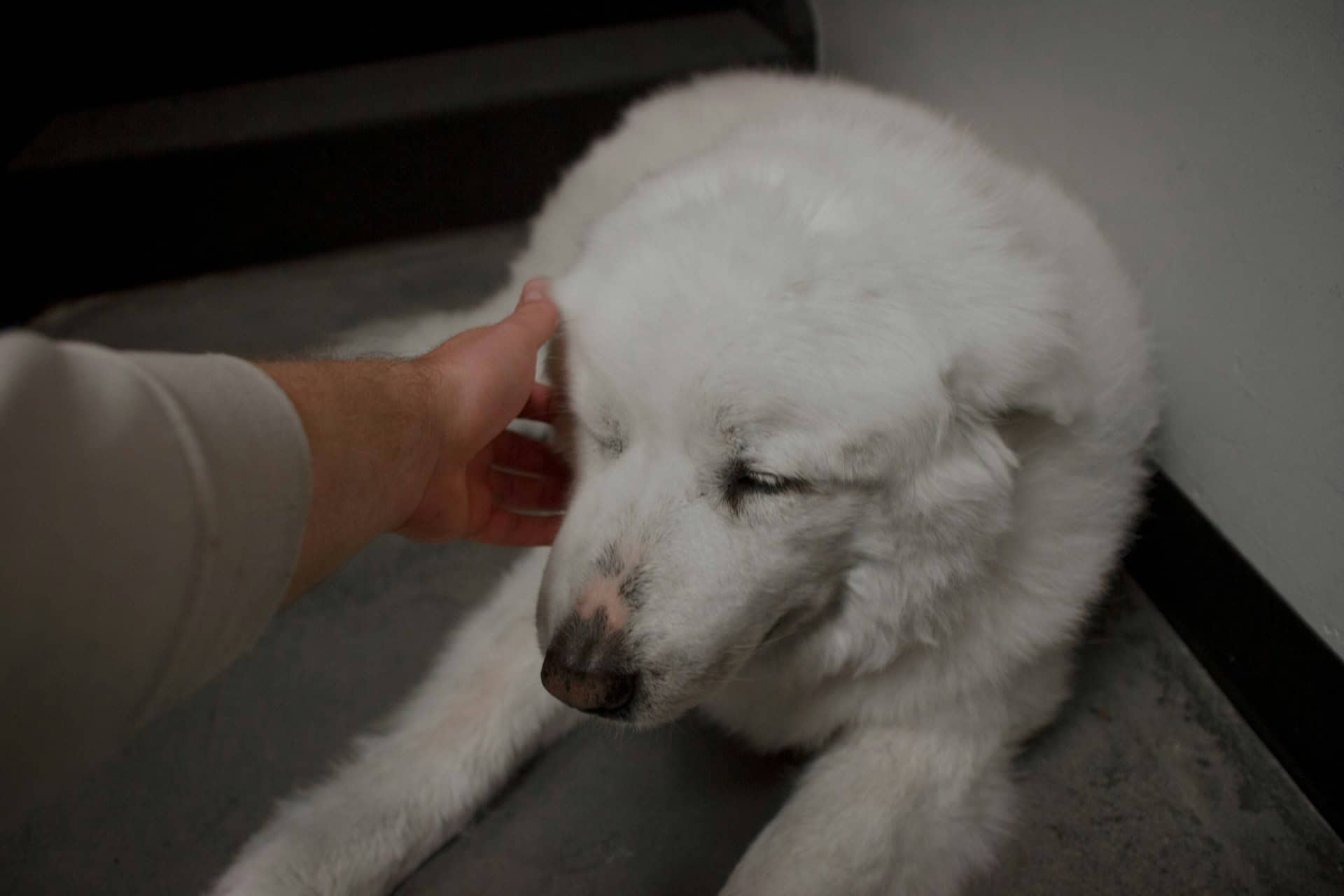
The moment you hear that your pet has cancer, your heart sinks. It’s a combination of the fear of the unknown and realizing that you and your fur baby have a limited amount of time together. But it’s important to remember that not all cancers have the same prognosis. Some cancers, such as mast cell cancer, have a 6-month prognosis, whereas squamous cell carcinoma (SCC) has a life expectancy of over 2 years.
No matter how much time you have left, there are a few things that you must prepare for when dealing with the symptoms of cancer in dogs and cats.
When Sasha, Ice, and Blueberry were diagnosed, I completely forgot to ask my vet about the type of pain medication they’d need and whether their diet should be changed. I failed to think about days when they wouldn’t want to eat anything or what would be considered an emergency. In other words, how was I going to ensure and extend their quality of life?
So if any of these matters have crossed your mind, I’m sharing my experience and offering a few guidelines on what to expect and how to prepare for pets with cancer.
Options to Manage Pain in Pets with Cancer
Undoubtedly, a vital part of cancer management in pets is having pain medication on hand. The first time I noticed that Blueberry was in severe pain was on a Friday at 1 AM, and all I had on hand was Petcam (Meloxicam). My big boerboel girl was diagnosed with splenic cancer or hemangiosarcoma, and at no point during her chemo or clinical visits did her vet mention paid meds. She had anti-nausea pills, but that was it.
At the time, I didn’t know that Petcam shouldn’t be given to dogs with liver problems. Blueberry later passed from a liver rupture as the cancer had spread to the organ. In Ice’s case, he developed bone cancer in his back leg. We used Petcam again, but when our younger dog (Blueberry) ran into him while playing, he cried in severe pain; obviously, the Petcam wasn’t providing him enough relief.
Don’t get me wrong, Petcam is an excellent anti-inflammatory and offers quick pain relief after surgery or injuries. However, when dealing with pain from cancer and the complications of cancer, ask your vet for a prescription medicine that is safe and effective for your pet’s condition.
If your dog or cat is taking cortisone, they cannot be given Meloxicam. The combination of steroids and NSAIDs can cause serious drug interactions resulting in stomach problems, perforations, and internal bleeding.
Pain Solutions for Ice, Sasha, and Blueberry
Berry received two-in-one anti-nausea and pain pills and one paracetamol per day (she was a giant breed) as prescribed by her veterinarian. I don’t recommend giving your dog or cat paracetamol unless you speak to your vet. She couldn’t remain on alternatives, like CBD, because it caused head tremors. Ice was given full-spectrum CBD (containing THC) along with Petcam to alleviate his pain. Sasha initially received Petcam but later received full-spectrum CBD because of her severe stomach issues.
Stick to a Pain Management Regimen
I suggest setting a timer for dogs that rely on chronic pain medication. You don’t want to miss a dose, allowing the pain to build up and cause distress until the next pill or tincture kicks in to provide relief. And yes, strong anti-inflammatories and pain meds are not without side effects, but I always say, “Quality of life first.” If the medication gives them relief, that is what matters most.
Full-Spectrum CBD for Cancer in Dogs and Cats
I’m sure that you’ve heard about CBD for pain and cancer in pets, but not just any CBD will do. I can’t stress this enough. A 500 mg to 1000 mg full-spectrum CBD for pets is recommended for pain and fighting cancer cells. If you check out my in-depth guide on pet CBD, you’ll understand why a regular 100 mg or broad-spectrum CBD just isn’t enough to ease severe pain.
Another factor to consider is the restlessness your dog or cat may experience because of their cancer symptoms. Sasha’s mast cell cancer led to histamine release, which caused sleeplessness. She would pace up and down the house panting when I was already in bed. Giving her a full-spectrum tincture every night helped her rest.
Ice received quite a high dose of full-spectrum oil with more than your standard amount of THC. It was actually the only way he could sleep because his pain was so extreme. In the photo above, Ice enjoyed one of his last nights in his favorite position on his favorite couch.
Vital Diet Changes for Pet Cancer

Another important part of caring for your dog or cat with cancer is providing them with a nutritious diet. Depending on the type of cancer, it can take an immense toll on your pet’s body. Cancer not only affects them physically but also behaviorally. Symptoms range from inflammation, causing itchy skin and gastrointestinal problems, to pain and lameness. Dogs and cats may be at higher risk of infections because of compromised immune systems.
So, regardless of the type of cancer, all pets can benefit from the cancer diet. This diet consists of cancer-fighting ingredients that improve energy and appetite, and relieve the side effects of medication. Because cancer uses the sugar in carbohydrates to grow, the first step is to reduce and remove dry food from your pet’s staple diet. Replace kibble with meat and vegetables offering protein, healthy fats, and fiber.
Meaty meals can instantly perk up your pets when their appetite is poor. For pets with mouth cancer or teeth problems, you can prepare minced meat (lamb, rabbit, or chicken). Add duck fat and Greek or plain yoghurt to their food. Just be careful when feeding dogs and cats with mast cell cancer. They’ll need a low-histamine diet, which excludes yogurt.
In addition to changing their diet, don’t forget to add those essential immune-boosting supplements. Fish oil, coconut oil, turmeric, and buffered vitamin C are a few of the supplements that are known to fight cancer. All 3 of my dogs received a “dog cancer diet” in addition to supplements, and I truly believe that it made a difference. They all had beautiful coats and hadn’t lost that much weight by the time they passed.
Consider Physical Aid for Immobile Dogs

Toward the end stages of cancer in dogs, many pets lose mobility. Senior dogs, particularly large dogs, find it increasingly difficult to rise and become unsteady on their feet. In some cases, they may not be able to lift themselves at all. And if you cannot lift them when an emergency arises, it becomes an emotional nightmare. To support a large and heavy dog, slip a sheet under the belly and lift upwards. Carefully hold the ends of the sheet to avoid hurting your fur friend.
Alternatively, you can find full-body support harnesses online. These harnesses cushion your dog’s body, and they have one or two handles, making it easier to lift your fur companion safely. They’re designed for dogs with severe arthritis; however, they can also be used for pets recovering from surgery.
Minimize Stress and Create Comfort

An important but often overlooked step is creating a space where your pet feels relaxed. As long as they have the energy and mobility, continue to engage in their favorite activities. They might get tired quickly or slow down on walks, but keeping them close to their regular patterns and surroundings as much as possible motivates them to fight back against the disease.
For dogs that cannot walk or play but love the outdoors, consider placing them in the car and taking them on a short drive. It’s particularly rewarding for pets that have traveled with you and can no longer get around as easily because of the cancer.
Sasha and Ice walked as long as their legs could carry them. Even with Sasha’s large lump on her leg and Ice’s limp, they went on short walks and took breaks when they needed to. If they wanted to rest, we kept the environment quiet, and if they wanted to play, we encouraged playing with their favorite toys.
Hospice Care for Pets with Cancer
Towards the end of Sasha’s, Ice’s, and Blueberry’s lives, they all experienced similar symptoms. In Sasha’s case, she couldn’t use her legs and lost her appetite. Ice developed a severe limp, spent most of his time resting, and also lost his appetite. Blueberry remained fairly energetic but had days when she wouldn’t finish her meals.
Hospice care was mainly provided to Sasha because she became immobile and needed help going outside to relieve herself. Ice also required round-the-clock care for pain management and protecting against secondary injuries, such as a fracture. During hospice care, you provide for the end-of-life needs of your pet. You can hire professional staff to come in and help your pets with medication, cleaning, and getting around, but if you can, be there for them.
Keep Calm and Stay Hopeful

Don’t look at your dog or cat with constant sadness and guilt. Pets pick up on our energy, and while some days may be harder than others, make each day special. On the days that they don’t feel like a regular meal, provide treats if they’re willing to eat them. Dogs and cats with cancer experience frequent nausea, so they won’t eat large meals all the time. If you notice excessive drooling and no appetite over a day or two, ask your vet for anti-nausea medication.
My Final Thoughts When Your Pet is Battling Cancer
Cats and dogs living with cancer can enjoy the time they have left. I’m not saying that it’s easy, particularly where more aggressive cancers are involved, and you only have weeks left. But remember that your fur baby depends on you for relief.
While Ice, Sasha, and Blueberry had three very different cancers, I focused on quality of life. So be sure to ask your vet for pain medication based on their type of cancer and symptoms. Incorporate a scrumptious diet and use supplements with cancer-fighting properties. And if they still want to play or go on a short walk, let them. Be gentle and take lots of breaks (don’t overexert them), but allow them to enjoy their time with you.
A Message of Hope
Our pets might only be here for a short time, but remember that this life is temporary. Do what you can without regret, treasure the simple things, and don’t allow the what-ifs to get in the way.
If you have any tips on caring for pets with cancer, be sure to share them with me!
This post reflects my personal experience with my pets. I am not a vet, so please don’t treat this as medical advice. Every pet is different—always check with your veterinarian before making changes to your pet’s health routine.
Proudly powered by WordPress
Leave a Reply