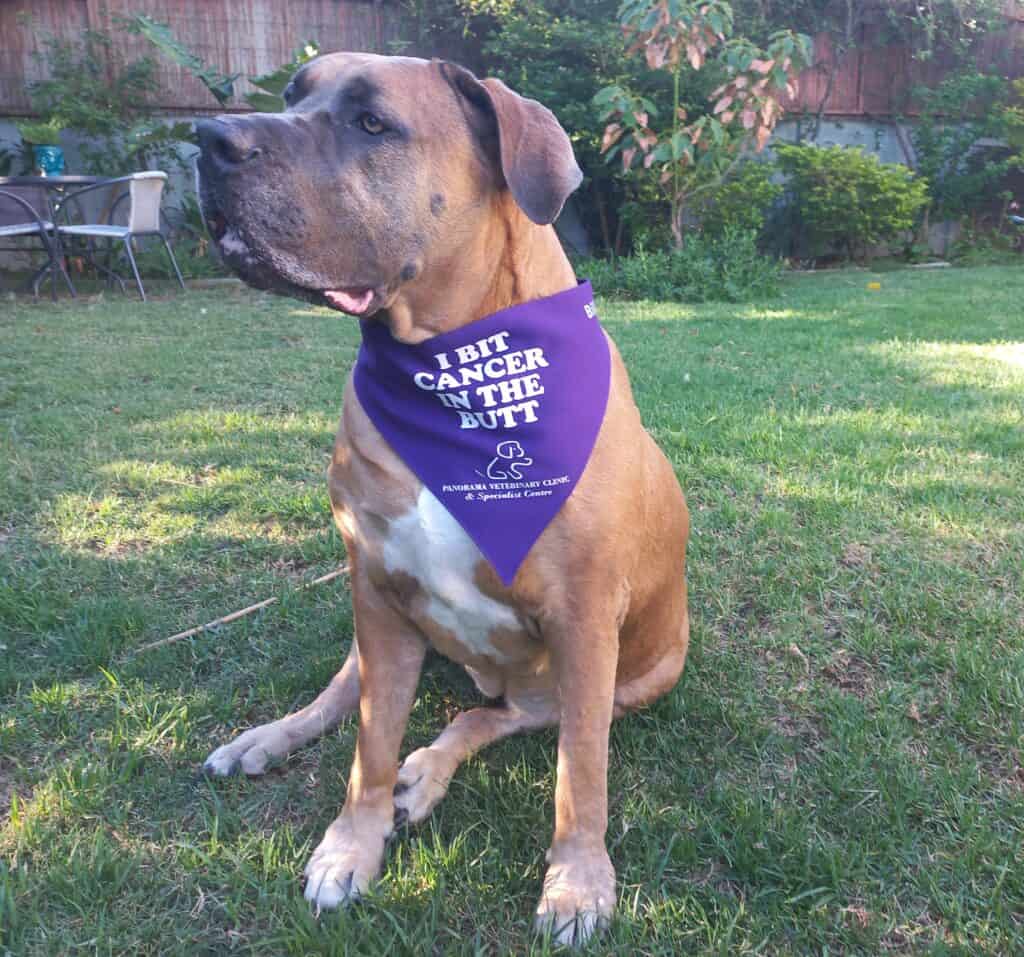
When you first hear that your pet needs chemotherapy, it’s pretty daunting. I remember feeling overwhelmed and scared because I didn’t want Blueberry to suffer, but at the same time, I wanted more time with her. So what exactly can you expect when your pet needs chemo?
Unlike the drugs used in humans, chemotherapy for pets is not as powerful. Dogs and even cats receive a much smaller dose than people, so most of them don’t have the severe side effects that we do. This doesn’t mean that they won’t become ill after therapy. But they may not go through such severe symptoms, such as chronic vomiting and major hair loss.
Chemo for my dog, Blueberry, was expensive. It took monthly trips to the vet, cleaning after her when she relieved herself, and keeping her immune system strong. This doesn’t mean that the treatment wasn’t worth it. On the contrary, I’m thankful that she completed the course, and I got a few more months with many happy days. Here’s my experience of pet chemotherapy for my dog with hemangiosarcoma, in addition to the costs, side effects, and tips to help you choose the appropriate treatment for your pet with cancer.
Types of Chemotherapy for Dogs
The drugs used for pet chemo slow the growth of cancer cells and can shrink tumors. It does not cure cancer, but in most cases, it can increase your pet’s longevity depending on the type of cancer.
Oral Medication for Cancer in Pets
In cases where the cancer is less aggressive, dogs and cats receive chemo in the form of oral medication. You are responsible for giving them cancer pills as prescribed by your vet. It is less expensive than IV treatment and offers the convenience of avoiding stressful vet visits, but you must take strict measures when handling these drugs. Oral chemotherapy also takes much longer to work compared to IV treatment, so it isn’t an option for all types of cancer.
IV Treatment for Pet Cancer
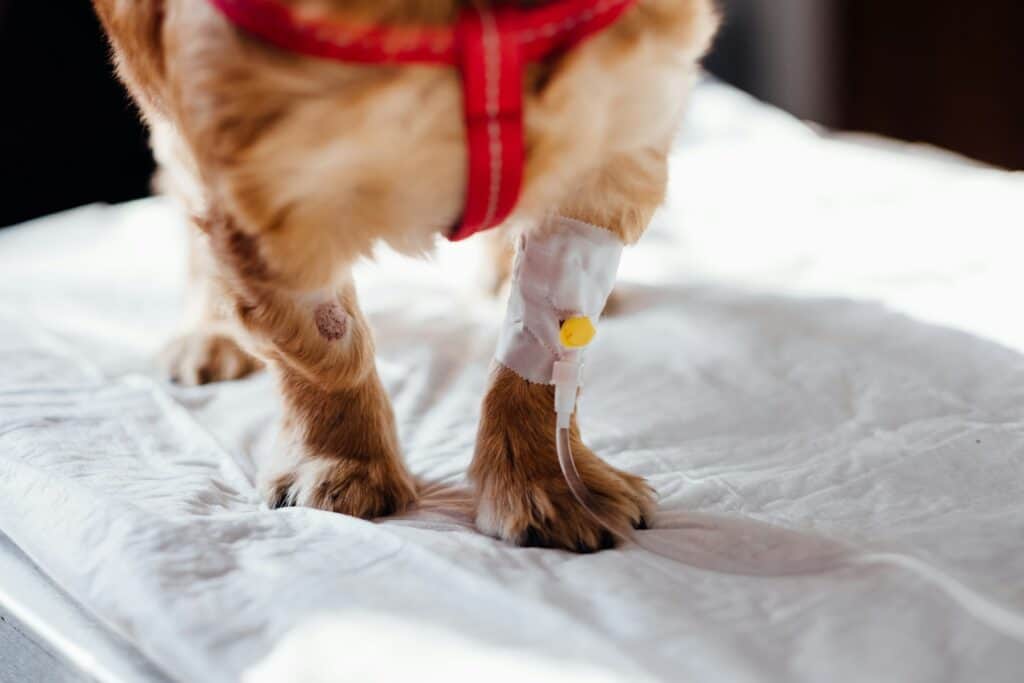
IV delivers more powerful cancer drugs that spread through the body faster than oral medication. This is what Blueberry was given. It is necessary for cats and dogs with aggressive types of cancer, such as lymphoma. When Blueberry received chemo, she had to remain calm during the IV treatment. That’s because any sudden movement could cause the chemo to leak into the surrounding tissues and burn the skin. In the worst-case scenario, it leads to an injury known as extravasation, resulting in the necrosis of the tissue.
While this was a risk with Blueberry, the veterinary team did an excellent job of keeping her relaxed.
When Do Pets Need Chemo?
Chemotherapy treats lymphoma, osteosarcoma (bone cancer), hemangiosarcoma, bladder cancer, and mammary cancer, and can shrink mast cell tumors. Cancerous tumors that cannot be removed and are causing pain may be treated with chemotherapy, too. Your veterinarian will usually recommend this treatment when the cancer cannot be surgically removed or when your pet has a very aggressive cancer. In Blueberry’s case, her cancer was extremely aggressive and had already spread to one of her lymph nodes. Chemo was the only way to reduce the cancer load and give her more time.
Did Chemotherapy Really Make a Difference for Blueberry?

At 6 years old, Blueberry was considered a young dog. She was strong and in relatively good health. Because hemangiosarcoma cannot be removed surgically, as you would a malignant tumor, the only way to destroy and stop the proliferation of the cancer cells is with chemotherapy. And yes, while alternatives, such as cancer-fighting turkey tail mushrooms, exist, they cannot deliver the same results as chemo.
I’m a firm supporter of alternative therapies to manage cancer; however, I’m also realistic about the limitations. In some instances, combining traditional medicine with natural therapies can deliver the best results for your fur friend.
Watching just how much surgery and harsh treatments Berry went through and how she’d still give you a gentle kiss on the cheek, pick up her toys to play, or quietly cuddle, showed me how resilient our pets are. It also taught me to appreciate a lot more, not to always sweat the small things, and always have faith.
Blueberry’s Experience with Chemotherapy
Blueberry was diagnosed with a horrible type of cancer that affects the lining of the blood vessels. Because the lifespan of dogs with this cancer is around 3 months, I decided to move forward with chemotherapy. This could increase her longevity to between 6 months and one year.
This decision was also based on an in-depth consultation with Berry’s vet oncologist at the time. He explained how the chemo would reduce the cancer load in her body and that she should tolerate the treatment quite well. In other words, she wouldn’t necessarily experience the side effects that would make her extremely sick. But I must emphasize the fact that this isn’t always the outcome for all dogs. Some experience adverse reactions and cannot complete the course.
After Blueberry’s first chemo session, she was tired but still in good spirits. She received anti-nausea medication, which I actually didn’t need to use while she was undergoing treatment.
How Much Does Chemotherapy for Pets Cost?
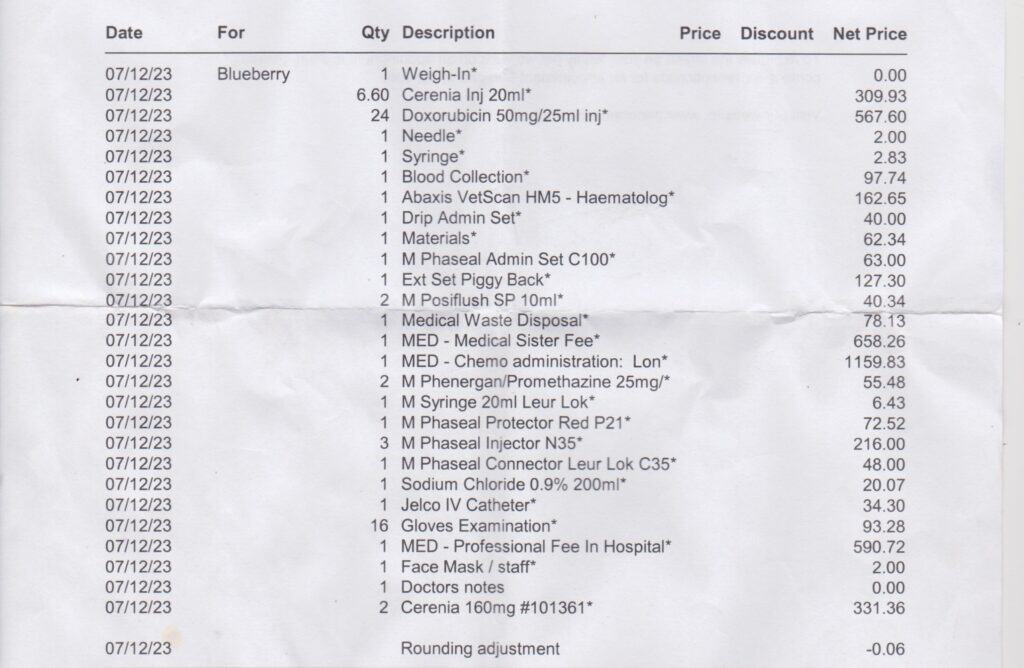
Chemo is expensive! Because I had pet insurance at the time, I was able to cover the excess for each treatment, which was a major blessing. In 2024, a single chemotherapy session for my dog cost just over R5000, which is approximately $300.
The Side Effects of Chemotherapy in Pets
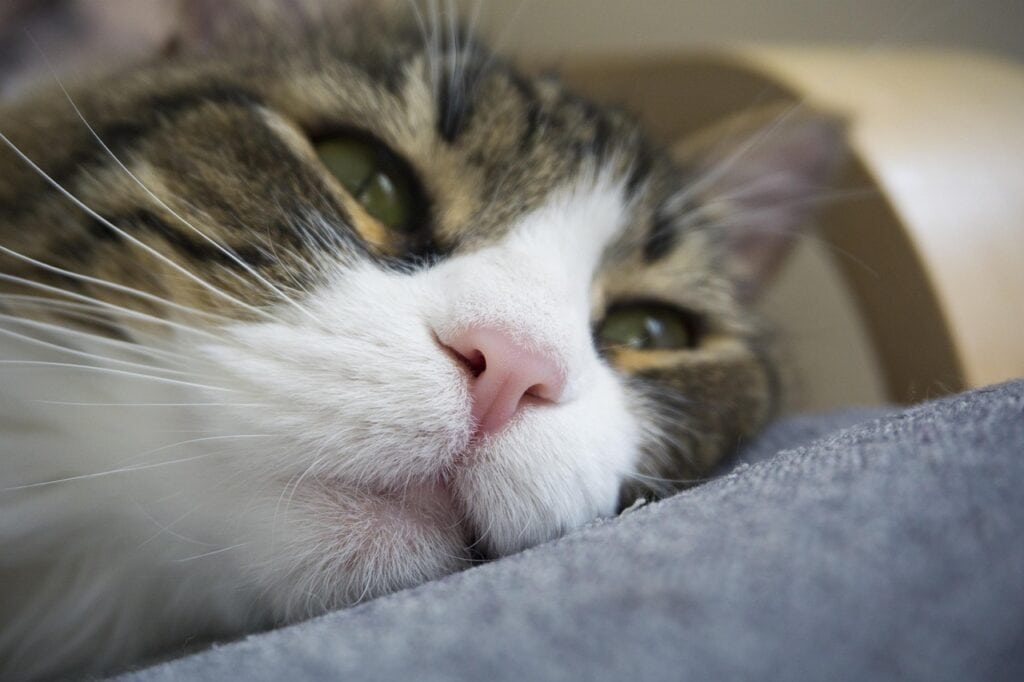
I’ll start with Berry’s side effects during her 3 months of chemotherapy. She lost her whiskers and what I like to call her “eyelashes,” but she didn’t lose her actual coat hair. She wasn’t really sick during her sessions, and despite experiencing an occasional upset stomach, she maintained a good appetite. The chemo symptoms in pets include vomiting, fatigue, and nausea, but these are usually relieved with prescription medication from your vet.
What to Expect When Your Pet Receives Chemotherapy
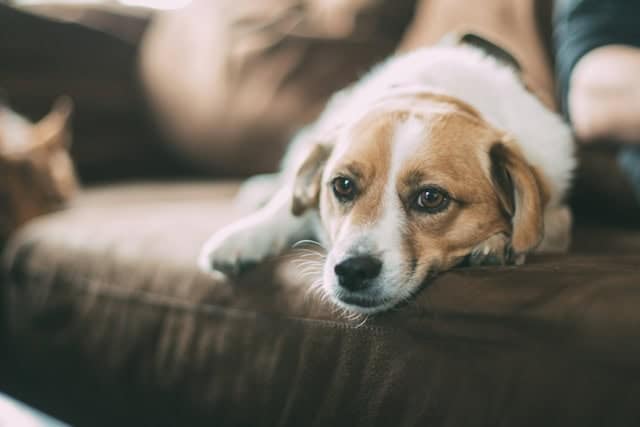
It takes time and effort to care for pets during chemotherapy. Some days they’ll have a healthy appetite, and other days they’ll be depressed. Be mindful when taking them on walks because of their low energy levels. I also recommend feeding them a nutritious diet during this time to support their immune systems and overall recovery.
Cleaning Up After Your Pets
Each time your dog or cat relieves themselves, you must clean up after them. Even when outdoors, urine must be flushed with water and feces picked up and tossed in a bag, then into the trash. Your pet’s urine, feces, and saliva will contain small amounts of the chemo drugs, so all body fluids must be cleaned to avoid exposing other people and pets to them.
Hair Loss and Chemo: My Scary Experience
I remember asking the vet technician if it was safe for Blueberry to lick us while on her treatment. She said yes, but to wash the area afterward. Maybe it was my imagination, but during those 3 months, I definitely lost more hair than usual! Blueberry slept on my bed, and she loved giving kisses, but I noticed that I could pull small batches of my hair out, and that wasn’t fun at all!
The larger-than-usual hair loss stopped a few weeks after Berry completed her therapy. There’s no proof that her treatment was connected to my hair loss, but I would suggest washing your hands if your pet licks you while on chemo.
Secondary Skin Infection
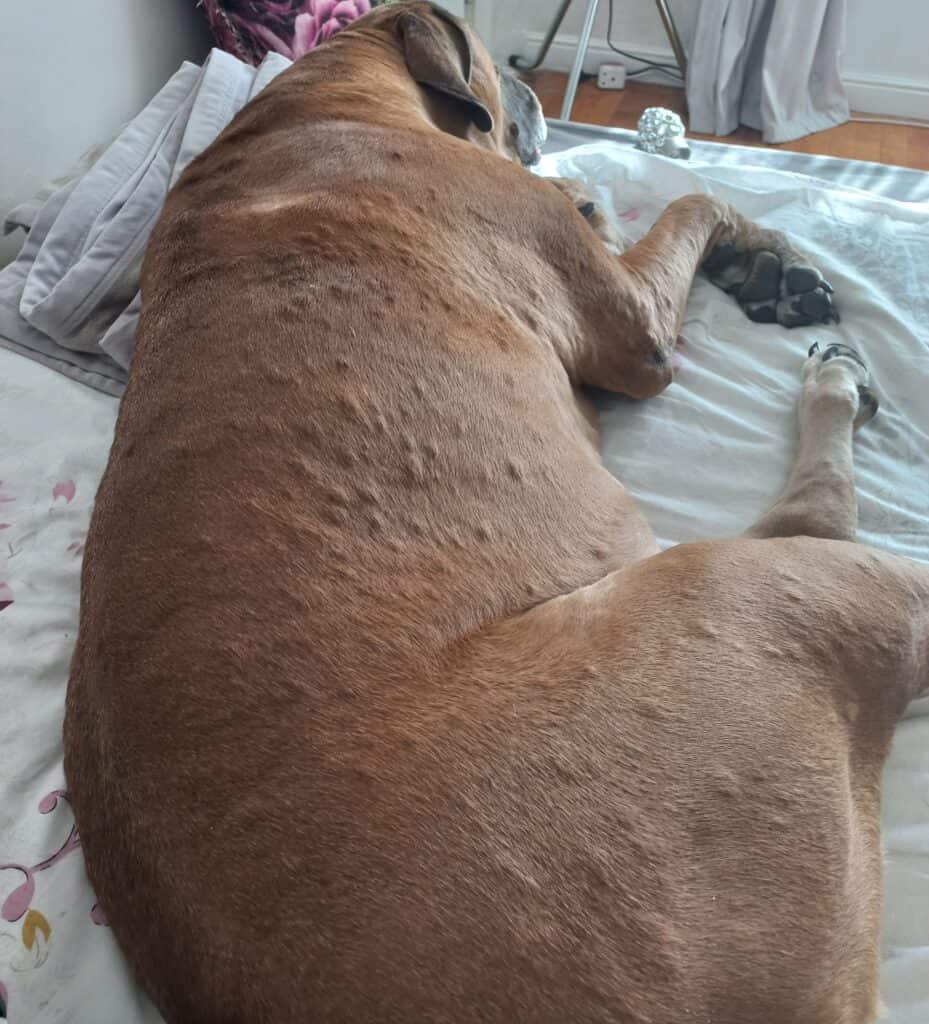
Around a month after her treatment, I noticed these small bumps developing on Berry’s body. Each bump would scab over, and the hair fell out. These bumps were also incredibly itchy, and she would bite and scratch at the affected areas, which made the condition worse. The vet did a skin scrape and found a bacterial and fungal skin infection. Apparently, chemo destroys the skin’s protective barrier, making it more susceptible to infections. Blueberry was prescribed an antifungal shampoo and had to be bathed 3 to 4 times a week. It continued for 6 months before there was a significant improvement, but she never fully recovered before she passed.
Hyperpigmentation During Chemotherapy
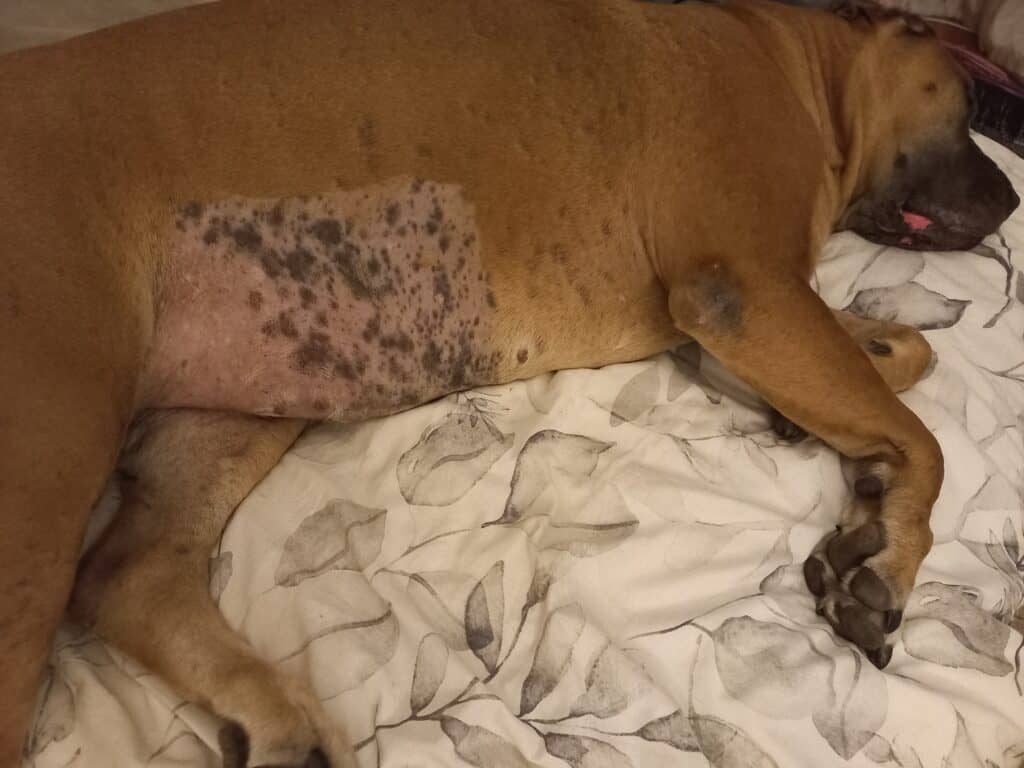
She developed black patches across her abdomen, which is known as chemo-induced hyperpigmentation. While it didn’t look good, the patches eventually disappeared. Not all dogs and cats on chemo experience dermal infections or hyperpigmentation, but it’s something to be aware of should you notice changes in the color and condition of their skin.
Final Thoughts on Chemotherapy for Pets
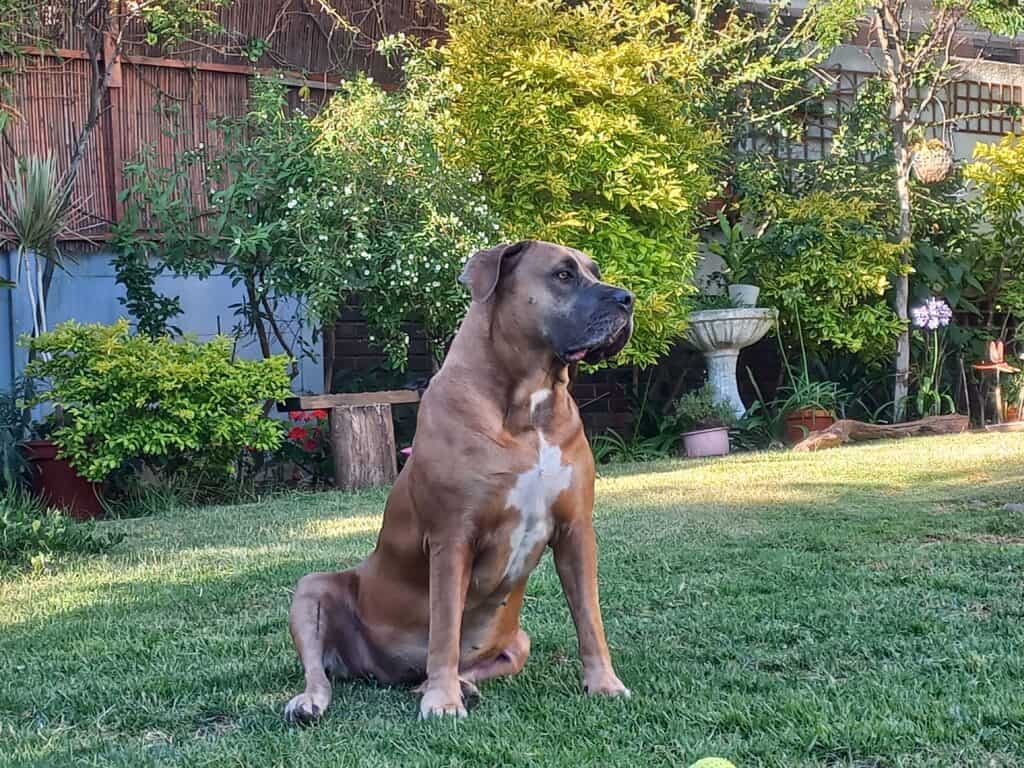
Based on personal experience, I would recommend chemotherapy depending on your pet’s cancer, age, and condition. Despite Berry’s side effects, her 10 months had far more happy days than bad ones. It does take work, and not all animals can be successfully treated. Some dogs and cats can’t tolerate the process or the drugs, and while this may be disheartening, there are alternatives you can try to slow the progression of cancer.
Another factor to consider is the cost. Chemotherapy for a dog or a cat doesn’t come cheap, and if you don’t have pet insurance, that means covering a significant out-of-pocket expense. In addition to treatment, if they suffer from complications requiring additional medication or hospitalization, that’s another major cost. You must discuss the risks with your oncologist veterinarian. They should provide transparency concerning the pros and cons based on your pet’s diagnosis.
Cherish Every Moment
Be sure to give your dog or cat quiet time after their treatment. If your pooch is up for a walk, don’t overexert them. Do just enough to keep their spirits up.
I know this decision is hard, but hopefully the information I’ve provided, along with discussions with your vet, can help you and your fur companion move forward with strength and a renewed sense of hope.
This post reflects my personal experience with my pets. I am not a vet, so please don’t treat this as medical advice. Every pet is different—always check with your veterinarian before making changes to your pet’s health routine.
Proudly powered by WordPress